Digital
Webinar unpacks how influencers turn attention into action


MUMBAI: MRSI’s November edition of its Wednesday Webinar series dug deep into one question that defines modern marketing: how do influencers turn scrolling into shopping? Titled “Attention to Action”, the session brought together experts who unpacked the fast-growing creator economy and its widening role across India’s consumer landscape.
The panel featured KlugKlug co-founder and CEO Kalyan Kumar, GroupM WPP and Goat Agency India’s business head Kunal Sawant, and Hansa Research Group’s vice president for quantitative research Pramod Pawar, with Sunder moderating the discussion.
The conversation began with a simple question: who exactly is an influencer? Kalyan described them as creators who build communities through content. Pramod defined them as people who sway decisions through digital platforms. Kunal added that anyone with the power to shift opinions or purchases through social media qualifies.

Kunal highlighted how influencer marketing has become a strategic priority across major sectors including FMCG, BFSI, manufacturing, and utilities. A GroupM study showed that 71 per cent of brands now favour an always-on model instead of campaign bursts. Analysing 60,000 influencers and posts from 52 brands, the study emphasised that content quality and engagement matter far more than follower count. Long-term relationships are rising too, with 72 per cent of brands and an impressive 95 per cent of manufacturing companies preferring sustained partnerships.
Discovery remains a hurdle, especially in regulated categories like BFSI. Engagement rate has become the core metric, while impressions and views continue to fade in importance. Although conversion stands at 23 per cent today, it is expected to climb as brands sharpen their influencer strategies.
Pramod presented a sweeping view of the ecosystem through Hansa’s Brand Endorser study. With over 500 respondents across 36 cities evaluating more than 350 celebrities and influencers, the study showed influencer recognition has grown nearly 50 per cent in recent years. The rise is strongest in the West, with regional creators dominating in the South and East. Though often seen as a Gen Z phenomenon, influencer impact is rising sharply among millennials too.
Relatability remains the biggest pull, with 82 per cent of consumers finding influencers more relatable than traditional celebrities. Preferences vary by category: polished creators work best for apparel; practical voices for finance; warm personalities for food; and regional creators for smaller towns. Comedy and entertainment lead growth, while food content is booming beyond metros. Podcasts are gaining traction among younger men, and tech continues to hold a niche but highly trusted space.
In a segment on B2B influence, Kalyan explained that while the dynamics differ sharply from B2C, influencer-like behaviour has long existed through subject experts. LinkedIn remains the most effective space, though credibility makes endorsements rare.
He also highlighted the scale of the industry. Influencer-led content today forms a Rs 10,000 crore market, with brands spending upwards of Rs 20 crore annually. More than 14,000 Amazon brands rely on creator-driven content to move market share. Beauty categories see up to 5 times earned media value multipliers, while home and kitchen categories reach as high as 7 times. Yet challenges remain; audience misalignment is common and multiple intermediaries often dilute budgets before they reach creators.
Kalyan called for brands to move beyond swipe-ups and link-in-bio tracking, which capture barely a fraction of true influence. With Gen Z and millennials forming 67 per cent of India’s internet users, social-first content now commands seven times higher brand recall compared to traditional media. Authenticity, agility, and relevance have become the new currency of marketing.
The webinar closed on a clear note: influencer-led discovery, trust, and purchase influence are no longer optional. They are reshaping the consumer journey, redefining marketing playbooks, and opening a massive opportunity for brands that bring data, creativity, and authenticity together.







Introduction
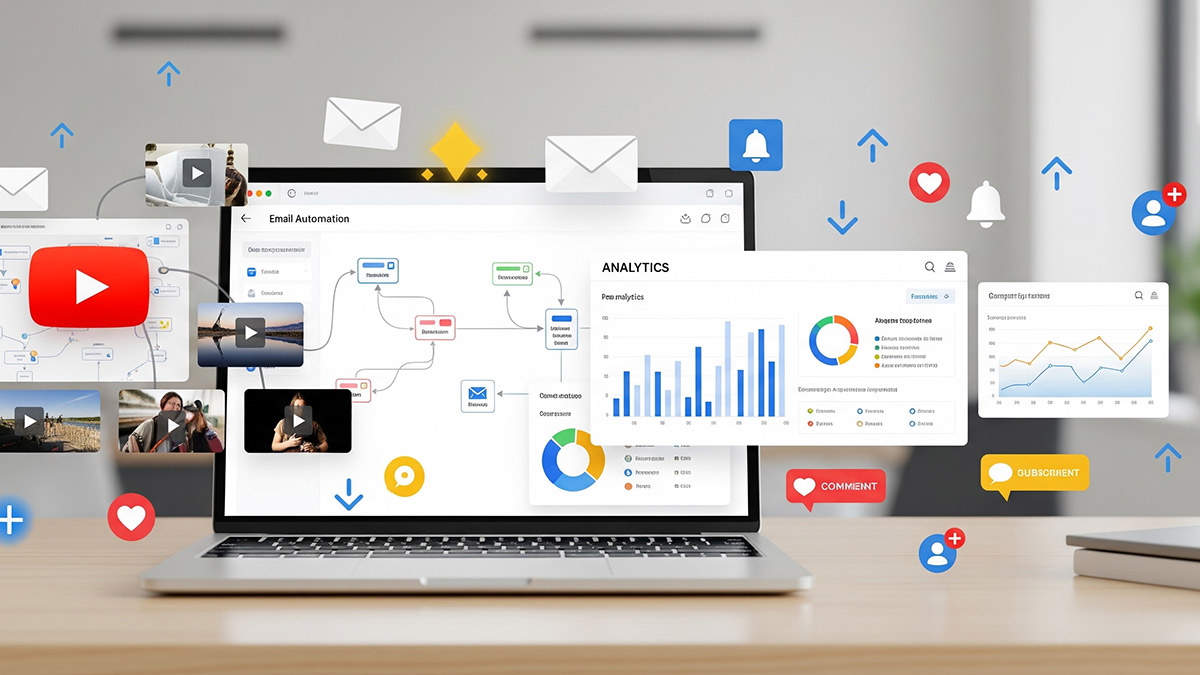
In the modern digital landscape, businesses are constantly seeking innovative ways to reach their audience, build relationships, and drive conversions. Two of the most powerful tools in digital marketing today are email automation and YouTube marketing. These strategies not only help brands engage with their audience but also provide measurable results that can significantly impact business growth. Platforms like ExamCollection offer valuable insights and resources for mastering these techniques. In this article, we will explore how email automation and YouTube marketing can transform your digital strategy and help you achieve long-term success.
The Power of Email Marketing Automation
Email marketing remains one of the most effective channels for communication and conversion. However, manually managing email campaigns can be time-consuming and inefficient. This is where marketing automation comes into play. Automation tools allow businesses to send personalized messages based on user behavior, preferences, and engagement patterns. This not only improves efficiency but also enhances the customer experience.
Benefits of Marketing Automation
Marketing automation provides several advantages, including increased productivity, improved targeting, and better customer retention. By automating repetitive tasks, businesses can focus on strategy and creativity. Additionally, automation enables marketers to segment their audience and deliver highly relevant content, which leads to higher open rates and conversions. It also provides valuable analytics that help optimize campaigns for better performance.
How to Master Email Automation
To master email automation, businesses need to understand their audience and create targeted campaigns. This involves setting up workflows, designing engaging email templates, and analyzing performance metrics. Tools like CRM systems and automation platforms can help streamline the process. Learning from expert guides and resources can significantly improve your skills and results.
The Rise of YouTube Marketing
YouTube has become one of the most influential platforms for digital marketing. With billions of users worldwide, it offers businesses an فرصة to reach a massive audience. Video content is highly engaging and can convey messages more effectively than text or images. As a result, many brands are investing in YouTube marketing to build their online presence and connect with their audience.
Key Strategies for YouTube Success
Successful YouTube marketing requires a well-planned strategy. This includes creating high-quality content, optimizing videos for search, and engaging with viewers. Consistency is also crucial, as regular uploads help build a loyal audience. Additionally, using analytics tools can help track performance and identify areas for improvement.
Explore more: https://www.examcollection.com/blog/master-youtube-marketing-with-these-10-powerful-steps/
Combining Email and YouTube Marketing
Integrating email automation with YouTube marketing can create a powerful synergy. For example, businesses can use email campaigns to promote new videos, share exclusive content, and drive traffic to their YouTube channel. Similarly, YouTube videos can encourage viewers to subscribe to email lists, creating a continuous cycle of engagement. This integrated approach can significantly enhance marketing effectiveness.
The Role of Data and Analytics
Data plays a crucial role in both email and YouTube marketing. By analyzing user behavior and engagement metrics, businesses can make informed decisions and optimize their strategies. Metrics such as open rates, click-through rates, watch time, and subscriber growth provide valuable insights into campaign performance. Using these insights, marketers can refine their approach and achieve better results.
Challenges and How to Overcome Them
While email automation and YouTube marketing offer numerous benefits, they also come with challenges. These include content creation, audience engagement, and staying updated with changing algorithms. To overcome these challenges, businesses need to invest in continuous learning and adapt to new trends. Leveraging reliable resources and expert guidance can make a significant difference.
Future Trends in Digital Marketing
The future of digital marketing is likely to be shaped by advancements in artificial intelligence, personalization, and interactive content. Automation tools will become more sophisticated, enabling even more personalized experiences. Video content will continue to dominate, with platforms like YouTube playing a central role in marketing strategies. Businesses that stay ahead of these trends will have a competitive advantage.
FAQ
1. What is email marketing automation?
Email marketing automation involves using software to send targeted and personalized emails based on user behavior and preferences.
2. Why is YouTube important for marketing?
YouTube provides a platform to reach a large audience and engage users through video content.
3. Can small businesses benefit from these strategies?
Yes, both email automation and YouTube marketing are highly scalable and suitable for businesses of all sizes.
4. How can I improve my email open rates?
By creating compelling subject lines, segmenting your audience, and delivering relevant content.
5. What tools are used for YouTube marketing?
Tools like video editing software, analytics platforms, and SEO tools are commonly used.
Conclusion
Digital marketing is evolving rapidly, and businesses must adapt to stay competitive. Email automation and YouTube marketing are two powerful strategies that can drive significant growth when implemented effectively. Email automation allows businesses to deliver personalized and timely messages, improving customer engagement and retention. On the other hand, YouTube marketing provides a platform to connect with a vast audience through engaging video content. By combining these strategies, businesses can create a comprehensive marketing approach that maximizes reach and impact. Platforms like ExamCollection offer valuable resources that help marketers understand and implement these techniques effectively. The integration of data and analytics further enhances the effectiveness of these strategies, enabling businesses to make informed decisions and optimize their campaigns. However, success in digital marketing requires continuous learning, creativity, and adaptability. As technology continues to advance, new opportunities and challenges will emerge. Businesses that stay updated with the latest trends and leverage the right tools will be well-positioned for success. Ultimately, mastering email automation and YouTube marketing can lead to increased brand visibility, higher engagement, and improved conversion rates. By investing time and effort into these strategies, businesses can achieve sustainable growth and long-term success in the competitive digital landscape.






