MAM
WATInsights launched under Recogn

MUMBAI: WATConsult, a leading and most awarded digital and social media agency, part of the Dentsu Aegis Network, has launched a new property called WATInsights, under its market research division, Recogn.
WATInsights will offer periodic reports which provide powerful insights and trends on the Indian digital landscape. Through these reports, WATConsult aims to help marketers understand the digital consumer better and translate the insights into actionable strategies.
The first report released is based on the usage of brand apps and their impact on brand consideration. Below are the key findings of the study:

· 81% of respondents are currently using or have used brand app(s), while 19% have never used them
· Majority of the respondents use news related brand apps followed by over-the-top (OTT) apps and business / finance apps
· 76% of respondents discovered brand apps through their friends and family and 66% were influenced by them to install
o 46% discovered via ads featured on traditional media platforms (TV, radio, newspapers) and 48% were influenced by them
o 58% discovered brand apps via in-built app stores and 40% were influenced. Surprisingly, 20% discovered brand apps at the point of purchase and installed them straightaway
· Relevance, Usability and Entertainment are the factors essential for improving the satisfaction levels of brand app users
· A large majority of users are more likely to purchase a brand product / service after using the brand app than watching the brand’s add on media
WATConsult CEO Rajiv Dingra said, “The changing demographics and technologies have brought about a shift in the way consumers engage with brands, products and services. The customers’ purchase and consumption behaviour is in a state of constant flux and marketers need to keep pace with this to stay relevant. Keeping this is mind, we have launched WATInsights, which will showcase industry insights and help marketers take better decisions in creating campaigns.”
The entire report can be viewed on – http://recogn.in/watinsights.php






MAM
Promotedge marks 11 years with expansion into D2C and performance marketing
Kolkata-based agency strengthens global footprint and launches new platforms.
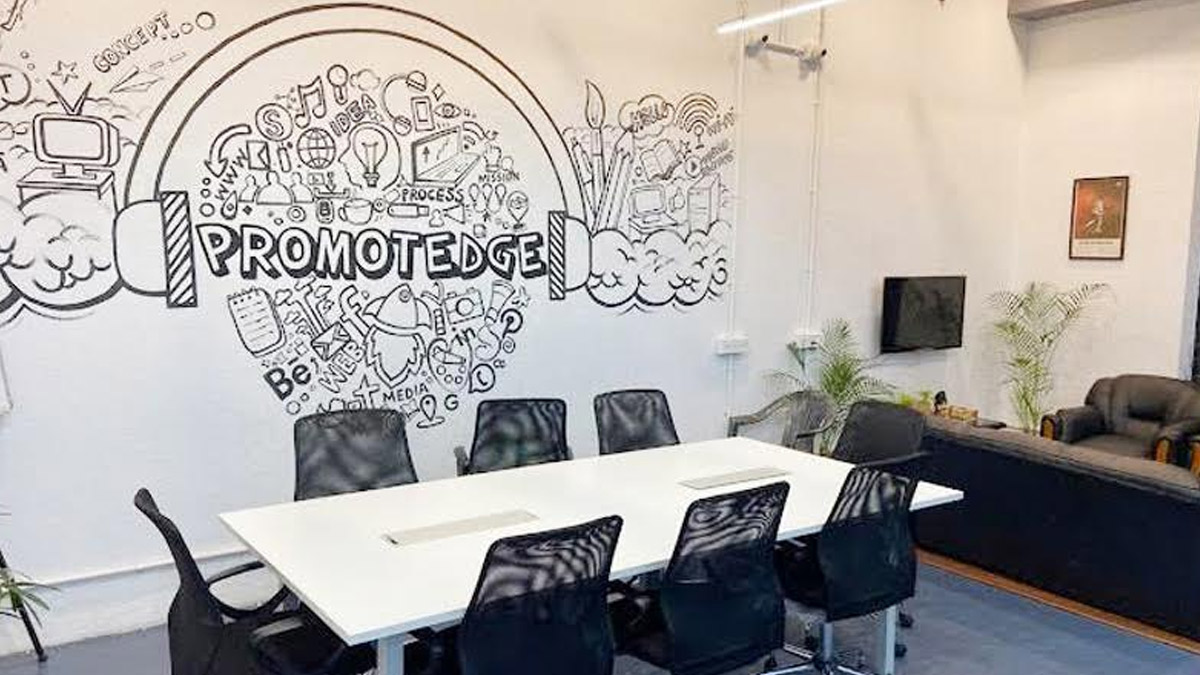
MUMBAI: Promotedge has spent 11 years quietly building momentum and now it’s ready to take a much bigger leap. The Kolkata-based integrated marketing and branding agency, founded in 2015, has completed 11 years of steady growth, evolving from a local creative firm into a full-service marketing partner with a growing international presence. With operational hubs in the US and Canada through its platform PromotEdgeDigital, the agency now serves clients across India, the US, Canada, Australia, and the Middle East.
Over the past 11 years, Promotedge has partnered with more than 200 businesses across diverse industries. Guided by its “Digitally Desi” philosophy which blends cultural insight with data-driven execution, the agency offers end-to-end services including web solutions, digital marketing, creative design, brand planning, and audio-visual production.
In its eleventh year, the agency made significant strides by developing branded IPs and content series for the automotive and industrial sectors, creating audio-visual content for international sporting bodies like the Fédération Internationale de Volleyball, and strengthening its performance marketing capabilities, particularly on quick-commerce platforms such as Zepto, Blinkit, Flipkart, and Swiggy Instamart.
To further boost its D2C focus, Promotedge has integrated the operations of Fizzle Digital into its performance marketing division, now led by founders Avi Saraf and Jhalak Agarwal. The agency continues to serve B2B clients in sectors like steel, energy, engineering, and infrastructure.
Beyond traditional services, Promotedge has introduced new platforms. DesiMachines is an online marketplace for heavy engineering and construction equipment, supported by two financial institutions and six top OEMs. The agency also launched Pexora, a joint venture with Prodigy focused on workspace design, branding, experiential marketing, and Digital Out-of-Home (DOOH) solutions in Eastern and North Eastern India.
Additionally, Promotedge nurtures The Trip Space, a boutique travel brand that curates personalised, luxury journeys for high-net-worth travellers.
Promotedge CEO Saurav Agarwal said, “PromotEdge has always been built with a long-term vision. Our goal is to develop capabilities that provide long-term value to our clients.”
As it approaches its 12th year, the agency plans to expand its global clientele, deepen D2C and performance marketing capabilities, invest in AI-enabled solutions, and strengthen its platform-led initiatives.
From a modest start in Kolkata to building platforms and partnerships across borders, PromotEdge is proving that smart, culturally rooted marketing can travel far and deliver real impact. The agency is clearly gearing up for an even bigger chapter ahead.






