MAM
Vivo teams up with Mirzapur2

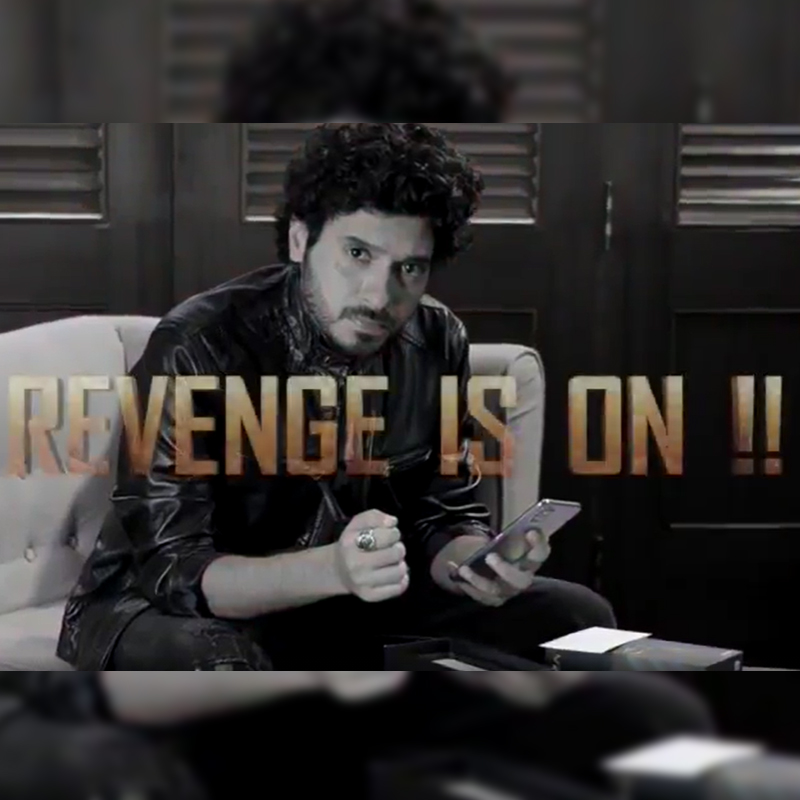
NEW DELHI: Mirzapur season 2 is all set to stream on Amazon Prime Video and viewers are eager to binge-watch the show after the previous season closed on a cliffhanger.
To leverage the series’ immense popularity and connect with Indian audiences, smartphone maker Vivo is tying up with Mirzapur. The brand has posted a video online which shows Guddu bhaiya and Munna bhaiya, the stars of Mirzapur, unboxing the all-new phone Vivo20 and sharing their experience in their trademark style, totally in character.
Vivo Smartphone digital marketing Prateek (Kumar) Midha said in a post on LinkedIn: “Happy to announce yet another Brand Collab between vivo V20 x Amazon Prime Video Mirzapur 2.
"Here is the first video we have co-created with the Mirzapur team as part of this association. Watch Guddu and Munna unboxing the all-new #vivoV20 and felt mesmerized by experiencing the ultra-sleek delight coming out from the box.”

Earlier this month, Amazon Prime Video unveiled a two-and-a-half-minute look at the sophomore season of Mirzapur that will drop on the streaming platform on October 23. The trailer sets up the war brewing between the Tripathis — Akhandanand “Kaleen” Tripathi (Pankaj Tripathi), his son and heir “Munna” Tripathi (Divyendu Sharma) and his rival's son Sharad Shukla (Anjum Sharma), and their former henchman “Guddu” Pandit (Ali Fazal).
The first season of the Amazon Prime Video series premiered on November 16, 2018. It became a runaway hit and developed a loyal fandom. Popular dialogues from the show were turned into viral memes.
The craze for the crime-thriller show is such that fans scoured the internet for details about the second season, so much so that it became the most popular question on Quora.







Brands
KITKAT India teams up with One Piece for anime-led campaign push
On-pack characters and digital film tap into India’s fast-growing anime wave
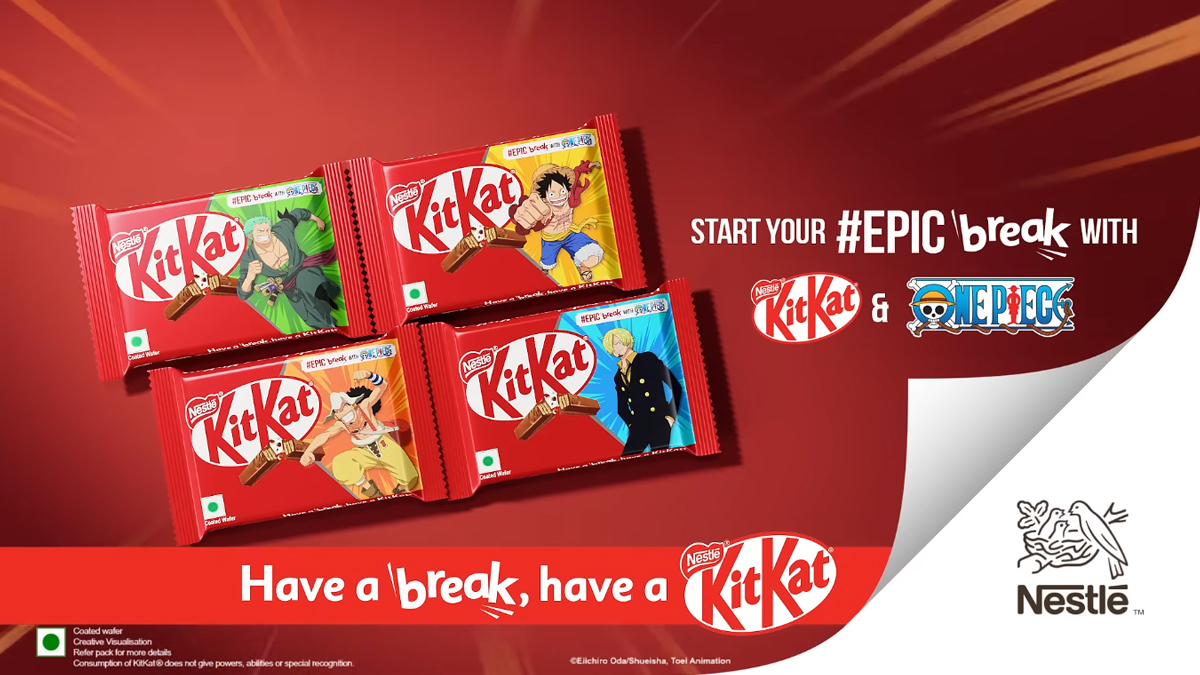
MUMBAI: KITKAT India has joined forces with the globally popular anime One Piece, rolling out a new campaign that brings fan-favourite characters onto its packaging in a bid to connect with India’s rapidly expanding anime audience.
The collaboration sees iconic characters from the series featured on KITKAT packs, adding a playful twist to the brand’s long-standing “take a break” proposition. By blending pop culture with confectionery, the campaign aims to make everyday breaks feel a little more adventurous.
The launch is anchored by a digital-first film released across YouTube and Meta platforms, supported by a broader push spanning outdoor media and interactive social content. The multi-platform rollout reflects a clear attempt to meet younger audiences where they already spend their time.
Nestlé India head confectionery business Gopichandar Jagatheesan said, “Anime is a rapidly growing genre in India, and we are excited to collaborate with one of the most popular shows, One Piece. Having championed breaks for decades, KITKAT now takes them to the next level, making every break more epic with the world of One Piece.”
The move comes at a time when anime is shifting from niche interest to mainstream entertainment in India, with brands increasingly tapping into its cultural currency to stay relevant with younger consumers.
By pairing a globally loved anime with an equally recognisable chocolate brand, KITKAT’s latest outing signals a simple idea with strong appeal. In a crowded market, even a small break can turn into a big moment when it comes with a side of fandom.






