MAM
Vidya Balan brand ambassador for Samajwadi Pension Yojna

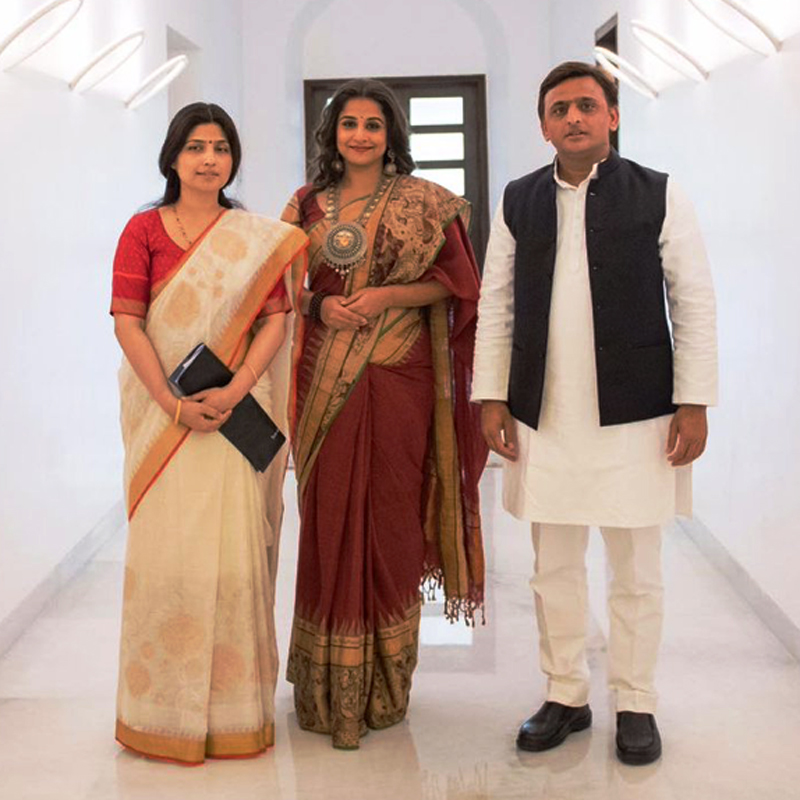
NEW DELHI: Indian film actress Vidya Balan has been made the brand ambassador for Samajwadi Pension Yojna or Samajwadi Pension Scheme by the Uttar Pradesh government aimed at empowering the State’s financially poor women.
“This (monthly) pension scheme is an important step towards women empowerment,” Balan said in Lucknow at a function organised by the State Government to announce this particular scheme and dwell on other pro-people government projects.
According to Balan, empowering women is relevant and important as womenfolk not only work for their own development, but also their whole family.

In the past also Balan had been roped in for various government initiatives at the both the Central and State levels, including those revolving around themes of importance of general cleanliness and having toilets in village homes.
Uttar Pradesh Chief Minister Akhilesh Yadav, while expressing gratitude to Balan for agreeing to be associated with the scheme, said that as many more people know the film actress, the scheme is certain to get more exposure and become popular, especially in rural areas.
The Chief Minister added that he’s slowly learning the importance of effective PR activities and having celeb brand ambassadors for UP government’s initiatives, many of which, though benefitting the people, did not get the desired publicity in the media and elsewhere in the past.
Under the pension scheme the State government is proposing to directly transfer into the bank accounts of beneficiary-women of 55 lakh (550,0000) families a sum of Rs. 500 monthly.







Brands
RR Kabel expands FMEG portfolio with kitchen appliances and air coolers
Company forays into mixers, cooktops and hand blenders under RR Signature brand.
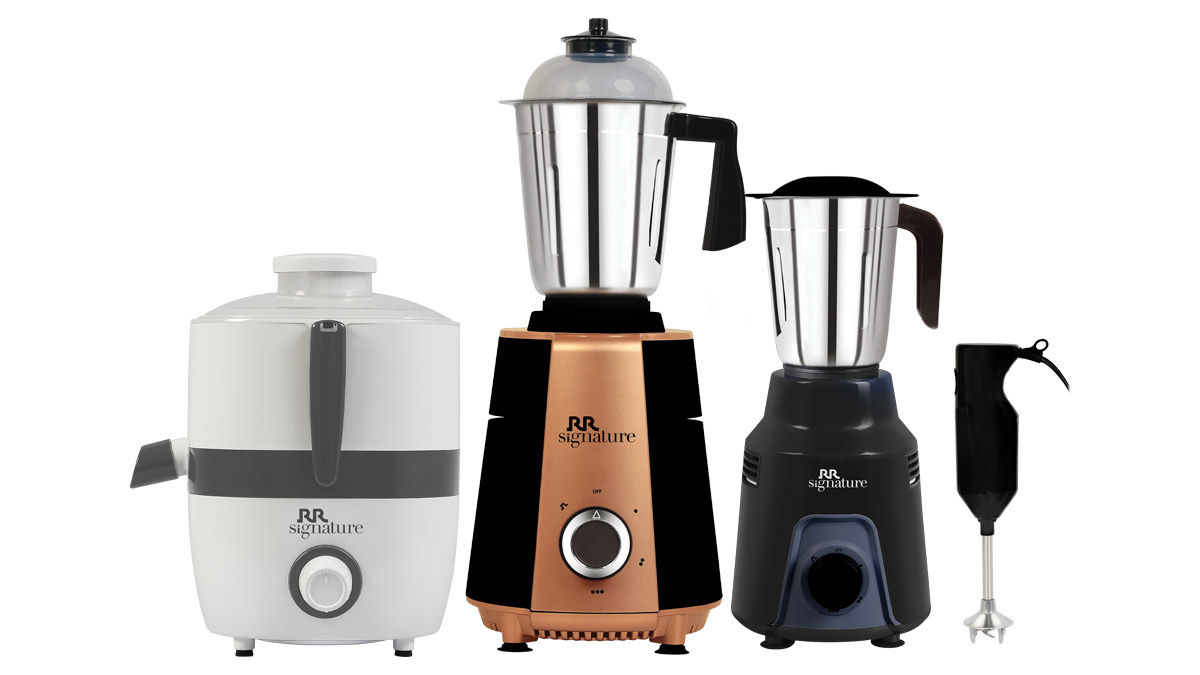
MUMBAI: RR Kabel has just cooked up something new and it’s not just another wire. The leading wires and cables manufacturer has announced a significant expansion of its Fast-Moving Electrical Goods (FMEG) portfolio by entering the kitchen appliances segment and strengthening its air coolers range under the premium RR Signature brand. The company has introduced Mixer Grinders, Electric Cooktops (both Induction and Infra-Red variants), and Hand Blenders. These products mark RR Kabel’s strategic foray into everyday kitchen essentials, allowing it to reach deeper into Indian households beyond traditional electrical categories.
The Induction and Infra-Red Cooktops are seeing particularly strong demand amid global developments affecting LPG pricing and supply. Consumers are increasingly shifting to electric cooking for its energy efficiency, precise control, and safety features. RR Signature is reinforcing its ‘Aapke Kaam Ki Baat’ promise with best-in-class warranties across the range.
The company also plans to introduce additional kitchen appliance categories in FY26-27. In parallel, it has expanded its Air Cooler portfolio with new Industrial (Semi-Commercial) models featuring higher tank capacities and superior air throw, catering to both commercial users and households seeking powerful cooling during intensifying summers.
RR Kabel executive director Mahhesh Kabra said, “Our expansion into kitchen appliances allows us to connect with consumers at more touchpoints in their daily lives, while our expanded air cooler range addresses the rising need for effective cooling solutions. These launches reflect our continued focus on quality, innovation, and market relevance.”
By stepping into kitchen appliances and enhancing its cooling solutions, RR Kabel is wiring itself more deeply into Indian homes proving that even a cables company knows how to heat things up in the kitchen and keep things cool elsewhere. The move positions the brand for broader growth as it evolves from wires to a more complete home solutions player.







