Brands
Vega turns helmet apathy into a national wake-up call


PUNE: India’s leading road-safety brand has decided shock works better than sermons. Vega Auto has launched a blunt new nationwide campaign that takes aim at one of the country’s deadliest everyday hypocrisies: the helmet worn on the arm, not on the head.
Titled “Pehnoge toh bachoge”, the initiative reframes helmet usage as a life-and-death choice rather than a fine-avoidance trick. The message is simple, and unforgiving: owning a helmet means nothing if it is not worn.
The trigger is grim arithmetic. India clocks more than 4,00,000 road deaths a year. Over 55,000 of them are two-wheeler riders who had helmets close at hand—but not where they mattered. Vega’s campaign film, set amid the familiarity of Mumbai traffic, turns that statistic into a visceral moment. Fathers, students and office-goers treat helmets as accessories, until a sudden crash cuts the noise. Silence follows. A helmet spins in mid-air. The line lands hard: wearing a helmet saves lives; carrying one does not.

Dilip Chandak, chairman of Vega Auto, says the company’s responsibility does not end at the point of sale. Millions of helmets already sit in Indian homes, he notes. The failure is not supply, but behaviour. The campaign is designed to shift riders from compliance to conviction—from dodging challans to choosing survival.
Founded in 1989 and headquartered in Belgaum, Vega has built its dominance on affordable, everyday helmets, producing around 10 million units annually. Its portfolio now spans mass-market Vega and premium Axor, alongside riding gear and accessories. But scale, the company suggests, brings obligation.
The campaign rolls out nationally with the hashtag #WearItDontCarryIt, calling on riders, influencers and policymakers to amplify the message. The ambition is cultural, not cosmetic.
India does not need more helmets, Vega argues. It needs fewer excuses.




Brands
Boeing appoints Barun as head of FP&A for global engineering function
Seasoned finance leader to steer budgets and strategy across global centres
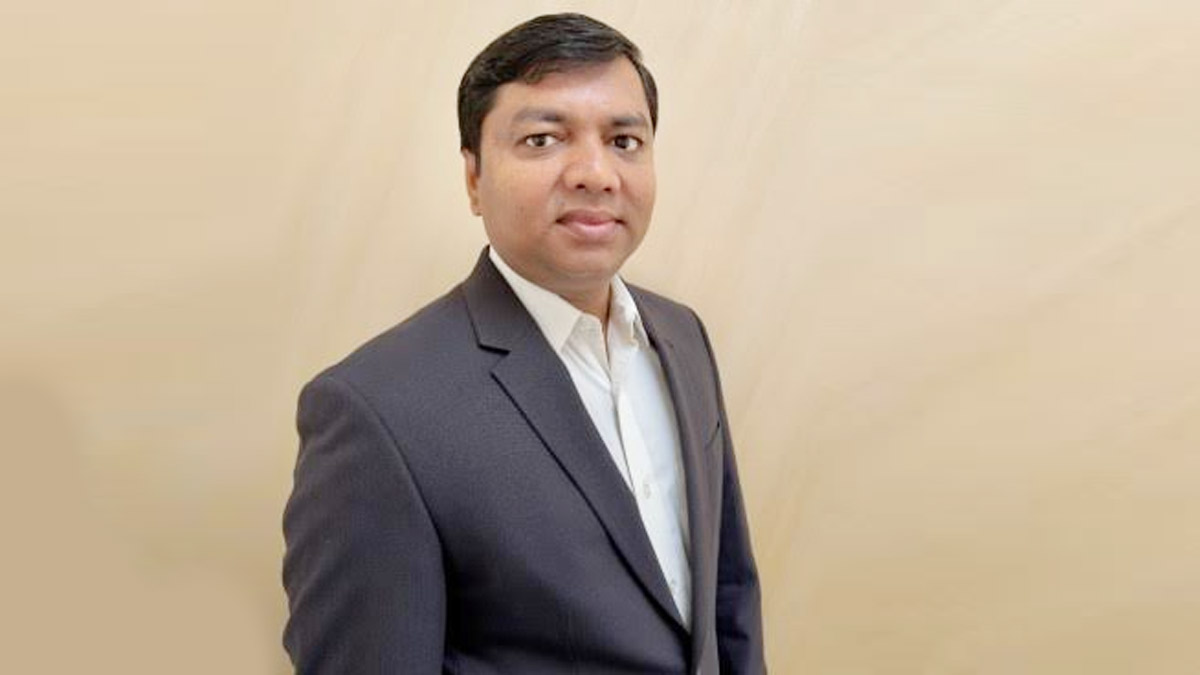
BENGALURU: Boeing’s finance cockpit has a new pilot, and he is no stranger to turbulence or transformation. Boeing has appointed Barun as head of FP&A for global engineering, placing him at the centre of financial strategy for its worldwide engineering and technology operations.
Based in Bengaluru, Barun steps into a role that is as expansive as it is critical. He will serve as the primary finance lead for Boeing’s Engineering and Technology Centers globally, working closely with executive leadership to shape financial decisions, manage complex budgets, and design scalable finance processes that support the company’s growing engineering footprint.
In a note announcing his move Barun said, “I’m excited to share that I’ve joined Boeing Global Engineering. This opportunity is incredibly meaningful to me not just from a professional standpoint, but also for what Boeing represents globally.” He added that he looks forward to contributing to an organisation that continues to shape the future of aerospace and innovation.
Barun’s mandate spans strategic financial leadership, operational oversight, and stakeholder engagement. From directing large-scale budgets and schedules to influencing long-term organisational goals, the role blends financial discipline with business foresight. He will also lead cross-functional teams and partner with finance colleagues worldwide to support engineering programmes across geographies, including India.
The appointment caps a long stint at Juniper Networks, where Barun spent over a decade, most recently as finance senior manager. There, he led FP&A for global product business units and G&A functions, driving budgeting, forecasting, and long-range planning. He also played a key role in enterprise-wide transformation, including spearheading an Oracle to SAP ERP migration and building advanced analytics capabilities using tools such as Tableau and SAP Analytics Cloud.
His earlier career includes finance leadership roles at Sony India Software Centre, Cognizant Technology Solutions, and Mphasis, where he focused on financial planning, governance frameworks, and operational efficiency across global delivery centres.
A chartered accountant from the Institute of Chartered Accountants of India, Barun brings nearly two decades of experience across financial planning, digital transformation, and analytics-led decision making.
His appointment comes at a time when global engineering operations are becoming increasingly complex and distributed, requiring sharper financial oversight and agile planning. With Barun at the helm of FP&A for engineering, Boeing appears to be tightening its financial playbook as it looks to scale innovation with discipline.






