MAM
ValueFirst snaps up mGinger.com

MUMBAI: Digital media firm ValueFirst Messaging has made its third acquisition of the year by buying Bangalore-based mGinger in an all-cash deal.
The buy from Gingersoft Media comes as a step towards entering the mobile advertising realm.
In 2007, Ginger Media raised $2 million from IndoUS Venture Partners and Draper Fisher Jurvetson.

ValueFirst has also bought out way2online (which owns and operates both way2sms and 160by2) and Indyarocks since the beginning of the year.
The company said the acquisition will give ValueFirst access to an additional four million opted-in registered users, apart from its existing base of 50 million subscribers across various other assets. It will also help leverage mGinger‘s strong brand name and relationship with agencies.
ValueFirst was launched in 2003 and is backed by NEA and Headland Asian Ventures. The company has been pushing inorganic growth, having acquired mobile VAS firm Cellnext Solutions in October 2009 in an all-cash deal and Noida-based telecom software and product development firm Packet Shaper. The company also acquired a majority stake in the social media firm Tagg.in in April 2010 for an undisclosed sum.
ValueFirst MD Vish Bajaj said, “mGinger was pioneer in permission-based marketing and ended up building a huge profiled base of consumers for niche targeting. ValueFirst has big plans for the business where we want to extend the permission-based approach to markets beyond SMS – to various platforms like the Internet, voice and e-mail. In the recent months, mGinger had pivoted to promoting deals. We are evaluating what to do with the deals part of the business and will currently focus on scaling its media business.”







Brands
Jubilant Foodworks to end Dunkin’ franchise in India
Pizza chain operator will not renew agreement when it expires at end of 2026.
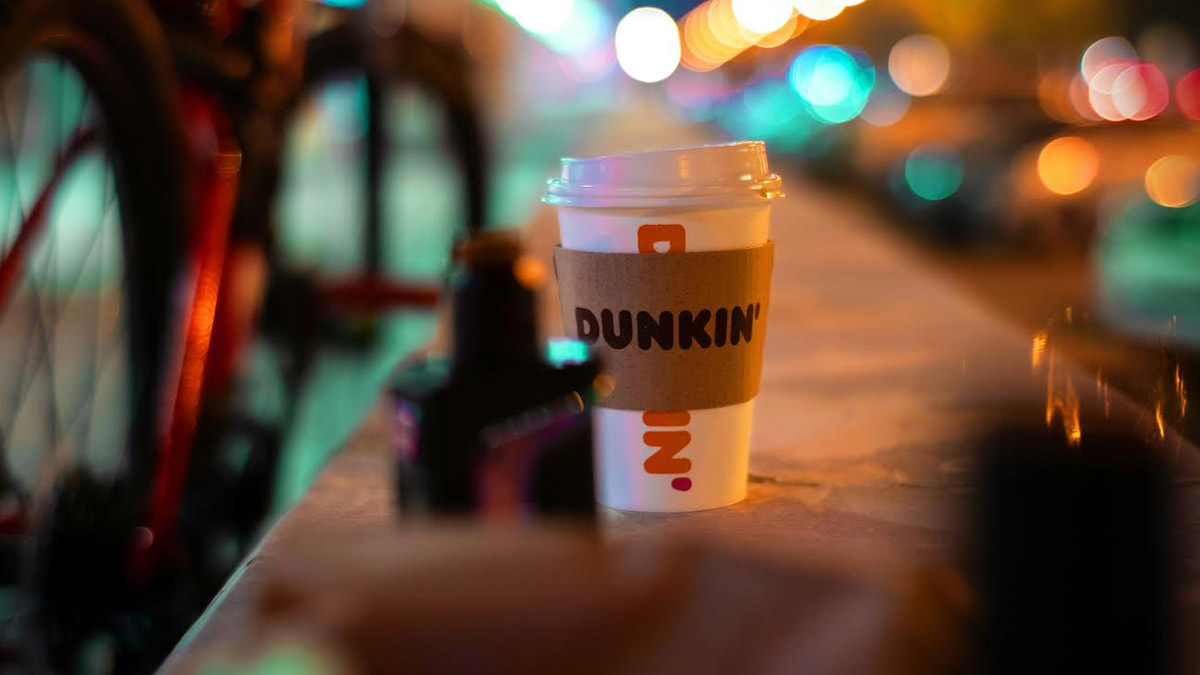
MUMBAI: When the doughnuts stop turning and the coffee goes cold, even a global giant like Dunkin’ can find the Indian market a tough brew to crack. Jubilant Foodworks has decided not to renew its franchise agreement with Dunkin’ when the pact expires on 31 December 2026, according to a Reuters report. The operator, best known for running Domino’s outlets in India, said it would evaluate options for its existing Dunkin’ stores, including a potential sale or transfer of franchise rights, in consultation with the US-based brand.
The decision follows years of underperformance in a market where local tastes and intense competition have made it difficult for international coffee-and-doughnut formats to gain traction. Jubilant, which has increasingly focused on its core pizza business and newer bets like Popeyes, indicated that the exit would not materially affect its financial or operational position.
Dunkin’ accounted for just 0.61 per cent of Jubilant’s revenue in the fiscal year ending 2025 and recorded a loss of approximately Rs 191 million, according to a regulatory filing. The company operated 27 outlets as of December 2025, having shuttered seven stores over the preceding year.
The retreat comes even as Jubilant’s broader business shows signs of momentum. The company reported a 65 per cent rise in quarterly profit for the October to December period, reaching Rs 70.9 crore, up from Rs 42.91 crore a year earlier.
For Jubilant, the exit reflects a sharpening strategic focus. For Dunkin’, it marks another setback in a market that has proven resistant to imported café concepts without significant localisation.
In the cut-throat world of Indian quick-service restaurants, sometimes the sweetest deals are the ones you quietly walk away from leaving more room for the brands that truly rise to the occasion.