MAM
Valentine’s Day spending rebounds in India


MUMBAI: Well, well, just as we were getting cynical about love and that romance is on the way down here is some contrarian news from affiliate network Admitad. According to data provided by it, the worst is behind us and love is blossoming; couples have returned to gifting with consumption rising 15 per cent during Valentine’s Day (VD) week.
Analysis of over 500,000 orders revealed an average spend of Rs 2,000, with mobile devices accounting for more than half of all purchases. Hotel bookings surged 20 per cent as couples opted for weekend getaways, whilst food delivery orders rose 15 per cent. Fashion items dominated gift choices at 25 per cent of purchases, followed by cosmetics at 15 per cent and electronics at 12 per cent. The most dramatic growth came in flowers and luxury goods, which saw sales spike 89 per cent and 67 per cent respectively compared to non-holiday periods.
Digital-savvy shoppers maximised value, with 20 per cent claiming cashback and 12 per cent using promotional codes. Affiliate stores influenced over a quarter of purchases, whilst online media recommendations drove 15 per cent of sales.

The strong performance marks a sharp reversal from 2024’s 10 per cent decline in Valentine’s spending, suggesting renewed consumer confidence in Asia’s third-largest economy.






MAM
‘You packed my parachute’: Avinash Kaul’s farewell salutes Network18’s unsung thousands
The outgoing chief’s LinkedIn post skips the boardroom tributes and goes straight to the security guards, drivers and office boys who kept the machine running
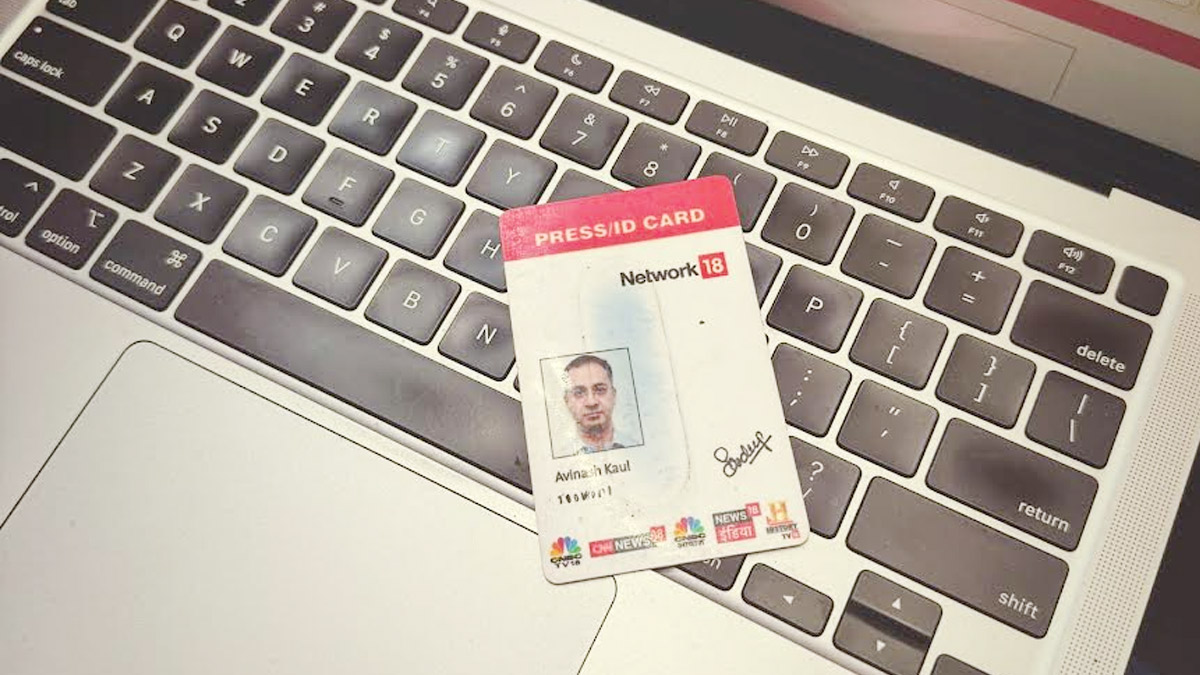
MUMBAI: Most farewell posts by senior media executives follow a familiar script: gratitude to leadership, a nod to the team, a hint of what lies ahead. Avinash Kaul’s is not that post.
Writing on LinkedIn on his last day at Network18 Media & Investments, where he spent nearly 12 years rising to chief executive, Kaul bypassed the boardroom entirely and directed his most heartfelt words at the people furthest from it: the security guard who greeted him before the building was fully awake, the fleet staff who drove him to airports at ungodly hours, the office assistants, the housekeeping teams, and the administrators who, as he put it, “held ten thousand invisible threads so the rest of us could look organised.”
“You packed my parachute,” he wrote. “Every day. Without fanfare, recognition, or ever asking for it.”
It was a striking note from a man who leaves behind a considerable operational record. Kaul joined Network18 managing three channels and exits with responsibility for 20, alongside a publishing business, a growing connected television footprint, and what he says is the highest revenue and highest channel share in the group’s history. He was quick to deflect the credit. “Not because of me. Because of 4,000 people who showed up, every day, in every department, across the country.”
To content teams across India, he issued a reminder that carries some weight given the pressures Indian news media currently faces. “Keep being custodians of trust for 700 million people. That is not a small thing. That is the whole thing.”
To colleagues in revenue and ratings who found him relentless and hard to satisfy, he was unapologetic but generous. “There was never a single moment of ill intent in my heart. Everything I pushed you towards came from one belief – that you were stronger than you knew, and I was not willing to let you settle for less than your real capability.” Those who believed him, he said, flew. Those who did not taught him to be a better communicator. He was grateful to both.
On what comes next, he offered a hint wrapped in metaphor. Something is being built, he said, prepared for “the way you pack a bag before a long climb. Not out of restlessness. Out of readiness.”
In a media landscape that rarely pauses to acknowledge the people who keep the lights on, it was, at the very least, a different kind of goodbye.