MAM
Unveiling the Unspoken: How Silent Influencer Marketing is Reshaping the Creative Landscape

Mumbai: The current landscape of marketing demands numerous decisions from marketers, ranging from allocating budgets across different channels to determining key variables within those channels. These decisions require meticulous attention to detail. Today’s focus in marketing is heavily centered on achieving expansive outreach on social media platforms, often overshadowing the once paramount goal of enhancing a brand’s reputation.
The brands that prioritized bolstering their reputation through marketing efforts were assessed biannually via quantitative research. While not all brands possess multinational corporations budgets for comprehensive field research, the pursuit of positively influencing brand perception and equity should regain prominence in marketing strategies.
Amidst the ongoing dilemma between extending reach and nurturing brand equity, influencers come into view. Undoubtedly, influencers wield considerable influence over their audience’s affinity or aversion to a brand, trend, or cause. They have even been instrumental in the ‘de-influencing’ movement, which highlighted the pitfalls of the influencer economy due to insincere endorsements. Nevertheless, influencers offer brands a cost-effective means of amplifying their message. This often involves collaborating with a mix of nano, micro, macro, and mega influencers, depending on the available budget. While mega influencers demand a premium due to their follower count and perceived expertise, many brands prioritize quantity over quality when selecting influencers.

According to me, silent influencers play the role of wildcards. These influencers gradually establish themselves as subject-matter experts within a niche. They differ from mega influencers in that they don’t push personal opinions but instead curate content from diverse experts, often in interview-style formats. This content aims at fostering growth and learning rather than mere entertainment. Silent influencers emphasise meritocracy and dialogue, and their most notable impact is their ability to convey authenticity. In a world dominated by polished ads, silent influencers provide a refreshing dose of raw, genuine content. This authenticity deeply resonates with audiences seeking genuine connections in a digitally fabricated landscape.
These influencers prompt brands to prioritize quality and credibility in influencer marketing, moving away from coercion and quantity. They possess the potential to enhance a brand’s equity through their own positive image. Modern brands challenging conventions or aiming for behavioral shifts can benefit from associating with silent influencers to engage potential customers in meaningful conversations. Our efforts on “Master of Denim” for Lee Cooper demonstrate that Indian consumers across various segments are receptive to longer content formats if they hold personal significance.
Whenever a chance for dialogue with the audience arises, to justify a stance, or to alter long-held perceptions, silent influencers can play a pivotal role, especially when engaged over a prolonged period. Industries like new-age financial services, healthcare, and wellness, requiring in-depth comprehension, particularly stand to gain. The challenge remains in assessing ROI beyond reach, a topic that warrants a separate discussion.
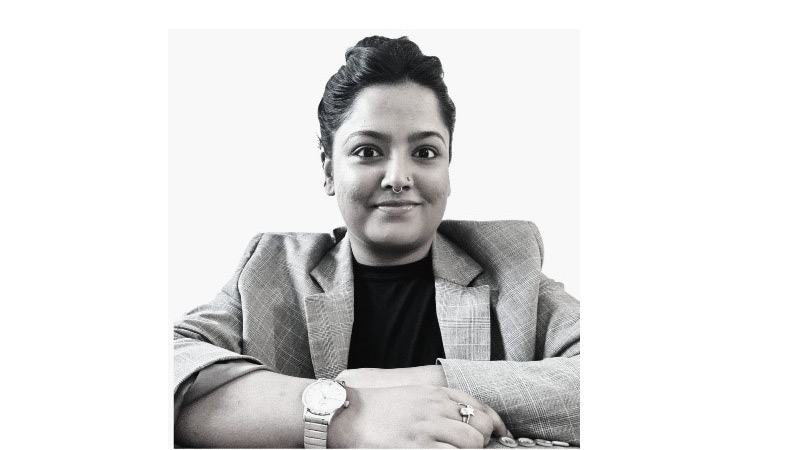
The author of this article is Makani Creatives CBO Suchana Sarkar.



Brands
Jubilant FoodWorks faces Rs 47.5 crore GST demand, plans appeal
Tax authorities flag alleged misclassification of restaurant services
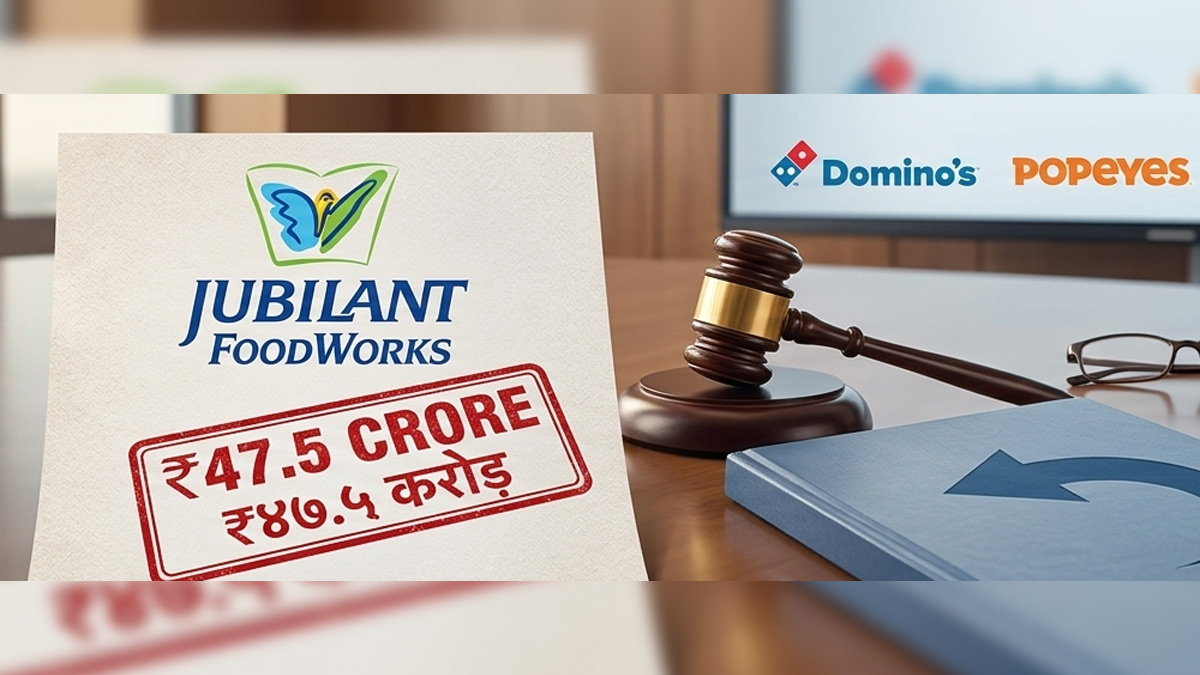
MUMBAI: Jubilant FoodWorks Limited has landed in a tax tussle after receiving a GST demand of Rs 47.5 crore from the office of the additional commissioner of CGST and central excise in Thane, Maharashtra.
The order, issued under the provisions of the Central Goods and Services Tax Act, 2017, relates to an alleged incorrect classification of certain services under the category of restaurant services. According to the tax authorities, this classification resulted in a short payment of goods and services tax for the period between the financial years 2019-20 and 2021-22.
The demand includes Rs 47.5 crore in GST along with an equal amount as penalty, in addition to applicable interest. The order was received by the company on March 13, 2026.
In a regulatory filing to the BSE Limited and the National Stock Exchange of India Limited, the company said it disagrees with the order and believes its arguments were not adequately considered.
The company is preparing to challenge the decision and plans to file an appeal. It added that once the redressal process is complete, the demand is likely to be dropped.
Despite the sizeable figure attached to the notice, the company said it does not expect any material impact on its financials, operations or other activities.
The disclosure was signed by Suman Hegde, EVP and chief financial officer, who confirmed that the company received the order at 19:06 IST on March 13 and has already initiated steps to contest it.
The development places the quick service restaurant major in the middle of a tax debate that could hinge on how certain restaurant-linked services are classified under GST rules. For now, the company appears ready to take the matter from the tax office to the appeals desk.