MAM
Unilever to shift thinking to New Delhi, says CEO


MUMBAI: FMCG behemoth Unilever is shifting its organisational focus to emerging markets to better anticipate the needs of a growing but “ever more demanding” class of consumers, said CEO Paul Polman at the Cannes Lions Festival of Creativity.
Polman charted the company‘s strategic move to the Far East and the Bric countries (Brazil, Russia, India, China) to benefit from their mushrooming populations.
“We have to shift our thinking to New Delhi, not New York”, Polman affirmed.

Unilever‘s brands are traded in 180 countries and 56 per cent of its revenues come from non-European countries. The company expects this to rise to 70-75 per cent by 2020.
Polman underlined that Bric countries will be home to the world‘s [fastest growing] populations and their consumers will get increasingly more demanding.
Polman amplified the “superconnectivity” of the internet that provides companies like Unilever with huge commercial opportunity to reach the next one billion consumers. He also highlighted the importance of Facebook.
Polman was talking after Unilever announced a major restructure broadening its category organisation to four divisions and the promotion of Harish Manwani to chief operating officer.
On Friday, the company announced that president for Asia, Africa, Central and Eastern Europe, Harish Manwani will don the role of COO from 1 September.
Also, the FMCG is moving from the current HPC (Home and Personal Care) and Foods categorisation to create four new categories reporting to the global CEO.
These would be Personal Care (to be headed by Dave Lewis, currently president,Americas), Refreshment – Ice Cream and Beverages (Ice Cream EVP Kevin Havelock), Food (Skin EVP Antoine de Saint Affrique), and Home Care (Laundry EVP Randy Quinn and Household Care senior VP Sean Gogarty).
The new structure will be put in place in the quarter of July to September, and can get fully operational before December 2011.







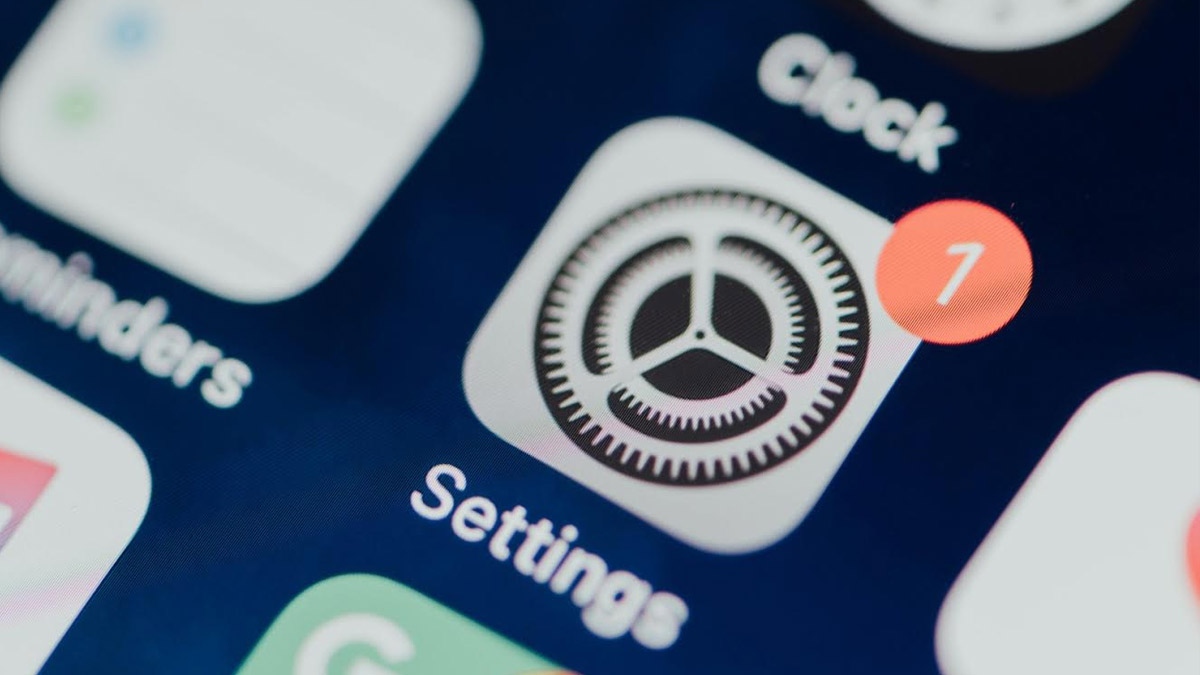
Apple rarely announces minor updates with much fanfare, and iOS 26.4 is no exception. No dramatic redesigns, no flashy keynote moments. What it delivers instead is a focused set of improvements that sharpen the experience you already have. If that sounds underwhelming, spend a week with it. You will change your mind.
Apple Music Learns to Listen Better
The biggest shift in this update lives inside Apple Music. Apple has brought AI-powered playlist generation to the app, and it works on mood rather than genre. Type something like “rainy evening at home” or “running late on a Monday,” and it builds a playlist that actually fits. This is not algorithmic guesswork dressed up in new clothing. It genuinely reads the intent behind vague descriptions and responds well.
Alongside this, a new concerts feature scans your listening history and surfaces live events happening near you. It is a smart bridge between your digital music habits and real-world experiences. Apple is quietly making the case that a music app should do more than just play songs.
Shazam also gets a meaningful upgrade. It can now identify songs without an internet connection. This might sound like a minor convenience, but anyone who has tried to Shazam something at a crowded venue with patchy signal will tell you it is anything but minor. The feature works locally on-device, which also means it is faster.
CarPlay Gets Smarter Controls
CarPlay has been updated with deeper integration for intelligent voice assistants. The goal is to reduce how often drivers need to look at a screen or tap anything at all. You speak, things happen. It is a clear step toward making the driving experience safer without stripping away functionality. The integration feels natural rather than bolted on, which is a harder thing to achieve than it sounds.
The Fixes You Feel Every Day
This is where iOS 26.4 earns its keep. Keyboard responsiveness has been improved, and the difference is noticeable immediately. Typing feels more accurate and less combative. Accessibility features have been refined across the board, with better contrast options and adjusted spacing that makes the interface easier to read without forcing you into larger text sizes.
The Health app has also been updated. It now surfaces more actionable insights from your daily data rather than just displaying numbers. If your sleep patterns have shifted or your activity levels have changed, the app now contextualises that clearly instead of leaving you to interpret raw figures on your own.
These are the kinds of changes that do not photograph well for a press release. They also happen to be the ones that make your phone feel genuinely better to use.
A Few Other Additions
New emojis have been added in this update. They will find their way into your conversations faster than you expect. Family Sharing has also been updated, with more granular control over shared payments and subscriptions. If you share an Apple account with family members, this puts clearer limits on who can spend what, which has been a long-requested fix.
What This Update Actually Represents
iOS 26.4 is Apple doing what it does best when it is not trying to make headlines. Every addition here serves a clear purpose. The AI music features are genuinely useful. The CarPlay improvements address a real safety concern. The small UI fixes accumulate into a noticeably smoother daily experience.
There is no bloat. Nothing feels experimental or half-finished. That discipline is harder to maintain than it looks, especially as operating systems grow more complex with each passing year.
If you have been holding off on updating, this is the one worth installing.






