MAM
Trai seeks industry’s views on TV ratings system

MUMBAI: In an effort to create a reliable television rating system, the Telecom Regulatory Authority of India (Trai) today issued a paper to deal with issues of establishing an accreditation mechanism for the rating agency and methodology of audience measurement.
The consultation paper titled “Guidelines/Accreditation Mechanism for Television Rating Agencies in India” also seeks to get the views of stakeholders on sample size, secrecy of sample homes, cross holding between rating agencies and their users, complaint redressal, sale and use of ratings, disclosure and reporting requirement, competition in rating services, and audit.
The consultation paper aims to lay down comprehensive guidelines/accreditation mechanism for TRP (television rating points) rating agencies in India to ensure transparency and accountability in the rating system. Written comments have been invited by 9 May with any cross-comments by 16 May.

The Consultation paper has been issued at the behest of the Information & Broadcasting ministry, which had earlier received a report from the Amit Mitra Committee on the matter.
The Indian Broadcasting Foundation (IBF) has since been working with the Advertising Agencies Association of India (AAAI) and the Indian Society of Advertisers (ISA) to set up the Broadcasting Audience Rating Council (BARC) as an alternative to TAM.
“Incorrect ratings will lead to production of content which may not be really popular while good content and programmes may be left out. Therefore, there is a need to have an accurate measurement and representative television ratings for the programmes,” the Trai says.
Seeking to ensure “fair competition, better standard and quality of services”, the government had asked the Trai to draft recommendations on comprehensive guidelines and accreditation mechanism for agencies involved in measuring television rating points.
The consultation paper also outlines suggestions on the eligibility criteria for ratings agencies. Some of the suggested criteria include –
a. The rating agency should be set up and registered as a company under the Companies Act, 1956.
b. The Rating Agency should have, in its Memorandum of Association, specified rating activity as one of its main objects.
c. The rating agency should have a minimum net worth (say rupees five crore).
d. The rating agency should have professional competence, financial soundness and general reputation of fairness and integrity in business transactions, to the satisfaction of the Government;
e. Rating agency should meet the prescribed cross holding requirements.
Another key area that the consultation paper touches upon is the issue of cross holding between a ratings agency and its user. It has asked stakeholders to comment/suggest on the guidelines of cross holding of ratings agency which may include:
a. There should be no cross holding between the rating agencies and broadcasters, advertisers, media agencies and advertising agencies.
b. This cross-holding restriction should also be applicable in respect of individual promoters besides being applicable to legal entities.
c. No single company/ legal person, either directly or through its associates or inter-connected undertakings, shall have substantial equity holding in more than one rating agency. Similarly no single company/ legal person, either directly or through its associates or inter-connected undertakings, shall have substantial equity in both rating agencies and broadcasters/advertisers/ media agencies/advertising agencies. Substantial equity could be defined as certain percentage (say 10% or more) of paid equity
d. A promoter company/ legal person/ directors of the rating agency cannot have stakes in any broadcaster, advertiser and advertising agency either directly or through its associates or inter-connected undertakings.





MAM
Wagh Bakri Tea Group appoints Tushar Tripathi as new CEO
Long-serving COO steps up to lead the tea major’s next phase of growth.
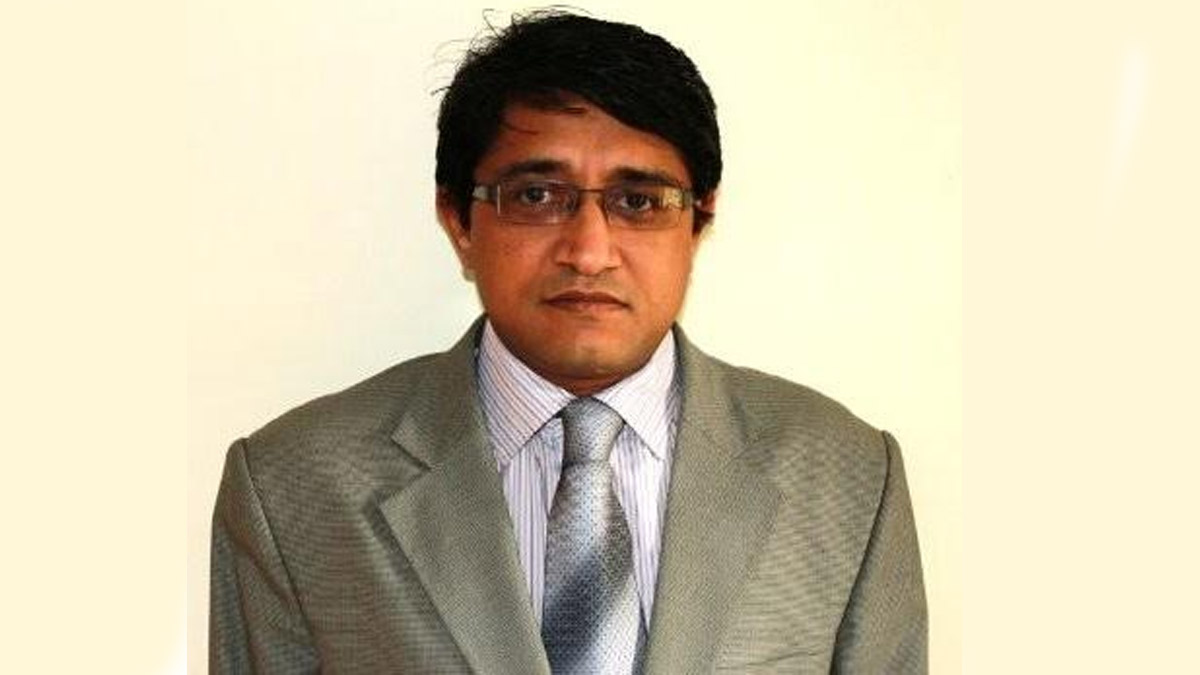
MUMBAI: Wagh Bakri Tea Group has found the perfect blend for its future leadership promoting from within. The company has announced the appointment of Tushar Tripathi as its new Chief Executive Officer (CEO). Tripathi, who previously served as Chief Operating Officer, brings over 17 years of deep experience within the organisation and will now steer its overall business strategy, operational efficiency, and long-term value creation.
In his earlier role, Tripathi led Plant, Operations, and Projects, playing a key part in enhancing operational excellence. His notable contributions include introducing the first Automated Storage & Retrieval System (ASRS) in India’s tea industry, implementing global quality and food safety standards, establishing a NABL-accredited quality lab, and expanding the company’s manufacturing and distribution networks.
Speaking on his appointment, Tushar Tripathi said, “I am deeply honoured to take on this responsibility at Wagh Bakri. It has been a privilege to contribute to the Group’s journey, and I look forward to working with our teams to strengthen innovation, enhance efficiency, and create sustainable value for all stakeholders.”
Wagh Bakri Tea Group executive director Paras Desai added, “Mr Tushar Tripathi has been an integral part of our leadership team for many years. His deep operational insight, commitment, and balanced leadership approach make him the ideal choice to guide Wagh Bakri into its next phase of growth.”
Tripathi holds a BE in Mechanical Engineering and has completed management development programmes in project management and logistics from leading Indian Institutes of Management (IIMs).
With this internal elevation, Wagh Bakri Tea Group is signalling continuity and confidence in its home-grown talent as it looks to accelerate innovation and sustainable growth in the competitive tea industry.
In the world of tea, where the right infusion makes all the difference, Wagh Bakri has chosen a leader who already knows every leaf and layer of the organisation. The future, it seems, is brewing smoothly under Tripathi’s watch.







