MAM
TPV Technology appoints Carol Anne Dias as its new managing director

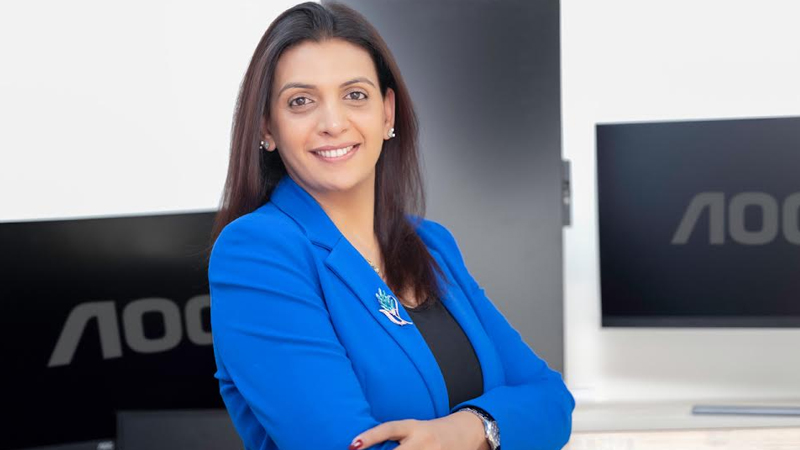
Mumbai: TPV Technology Ltd, an LCD manufacturer, has announced the appointment of Carol Anne Dias as its new managing director, to spearhead operations of AOC and Philips monitor divisions in India. Under her new strategic role, Carol will be responsible to drive the company’s monitor business to the next level, by aligning the business operations towards growth and aggressively penetrating all major metro cities across India.
The move comes in line with the company’s goal to meet local market demands and ensure the availability of its innovative portfolio of monitor solutions. Carol will be aggressively promoting Philips and AOC monitors, along with AOC’s sub-brand ‘AGON by AOC’, one of the world’s strongest portfolios of high-performance gaming monitors. She will oversee the channel, retail (organised, micro-retail & e-commerce), network of gaming systems integrators, and overall sales and marketing by leveraging key distribution channels across India.
Commenting on the appointment, APMEA general manager Kevin Wu, said “We are thrilled to have Carol on board with us to head our Indian operations. She has already played a pivotal role in accelerating the growth of our innovative state-of-the-art monitors portfolio in the Middle East and Africa, thereby capturing a significant market share in the region. Carol in her new role, will help place AOC and Philips at the centre of the digital transformation and gaming monitor business in India. We are confident in her abilities to further strengthen our footprint in India. Under her able leadership, we are looking forward to changing our market strategy as a whole and also focus more on establishing our gaming monitors brand in the Indian market.”

Currently, the gaming monitors industry is on the rise in the Indian market, expected to reach from US$ 108 million in 2023 to US$ 235.53 by 2033. The popularity of eSports, the increase in gamers, and the accessibility of inexpensive gaming displays are some of the key factors contributing to the growth. TPV Technology looks forward to encashing the opportunity and is eyeing a boost in the growth of AOC’s leading gaming monitor sub-brand, AGON by AOC, which is the world’s number one gaming monitor according to the Q3/2023 IDC Quarterly Gaming Tracker report.
“As the horizon of 2024 beckons, we stand primed for an era of even grander achievements. The thrust for 100Hz high-speed Thunderbolt 4 in B2B, along with the continued surge of high refresh gaming monitors for B2C clientele, chart our course. We anticipate a dazzling suite of mini-LED and OLED monitors, each affirming our dedication to redefining excellence. Furthermore, as we innovate, we act with responsibility, honouring our pledge to do our part in creating a better world and reducing our carbon footprint,” added Kevin Wu.
Commenting on her new role and responsibilities, Carol Anne Dias, said, “I am glad to accept my new role to further strengthen both AOC and Philips growth plans in the Indian market. The Indian gaming market is going through a paradigm shift, which has induced demand of high-quality and reliable gaming monitors amongst the end consumers. We will aim to further solidify our position in the Indian market through expanding our gaming monitor portfolio and providing our customers with everything they would want”.
Carol brings over 22 years of working experience in the technology and IT segment, where she has a proven track record of achieving profitability and market leadership in her previous positions. Before joining AOC, Carol held leadership positions at prominent organizations such as Belkin International and Redington Gulf, where she played a pivotal role in driving sales and market expansion. She holds a degree in Economics from India.


Digital
OpenAI’s Stargate lead Peter Hoeschele exits with two senior leaders
Trio behind compute push set to join new startup amid leadership reshuffle
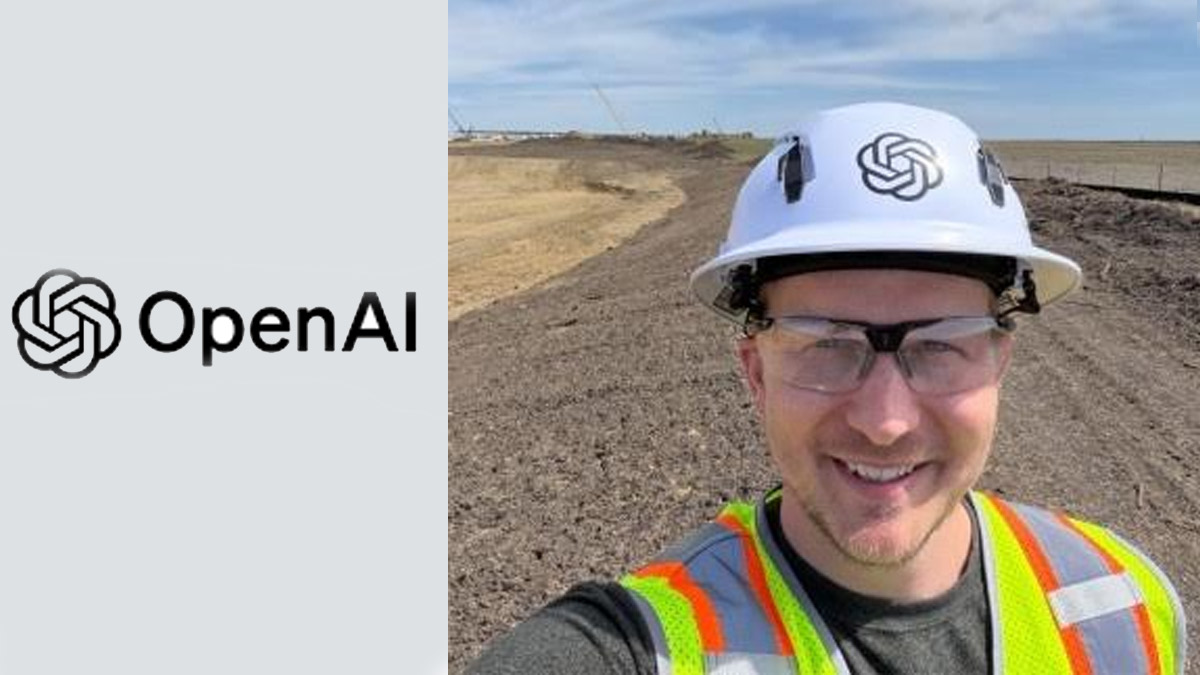
SAN FRANCISCO: Peter Hoeschele, a key figure behind OpenAI’s early Stargate data centre initiative, has exited the company, according to a report by The Information.
The departure is part of a broader leadership shift, with two other senior executives, Shamez Hemani and Anuj Saharan, also set to leave in the coming days. All three are expected to join the same new startup, although details about the venture remain under wraps.
The trio played a central role in OpenAI’s Stargate effort, an initiative aimed at building large-scale data centre capacity in-house to reduce reliance on external infrastructure providers. Their exits mark a notable moment for the company’s compute strategy as it continues to scale rapidly.
OpenAI spokesperson said in a statement to The Information, “We’re grateful for the contributions Peter, Shamez, and Anuj have made to OpenAI and wish them the very best in what comes next.” The company also pointed to the recent appointment of Sachin Katti to lead its industrial compute organisation, signalling continuity in its infrastructure roadmap.
OpenAI has indicated that it does not plan to directly replace Hoeschele’s role, suggesting a possible restructuring of responsibilities within the team.
As competition intensifies in the race to build next-generation AI systems, leadership changes in core infrastructure teams are likely to draw close attention. For now, the spotlight shifts to what this departing trio builds next, and how OpenAI adapts as it scales its ambitions.






