Brands
This Women’s Day, #SnapOutofIt with Tanishq

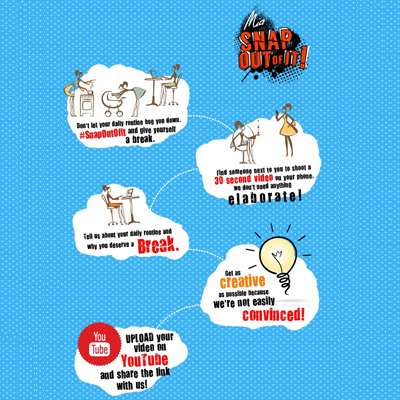
MUMBAI: Today, women are increasingly walking the tightrope between home and career, handling everything from household chores to boardroom meetings with consummate ease. No wonder, they’re left with little or no time to themselves, which is why, ahead of Women’s Day on 8 March, Tanishq, Tata Group’s jewellery brand, has decided to play Santa and gift these superwomen some much-needed ‘me time’.
Mia, Tanishq’s contemporary line of work-wear jewellery, has launched a digital campaign called #SnapOutofIt, which, as the name suggests, offers women an opportunity to break free from their punishing everyday routine while allowing them to explore their creative side.

“In the light of long working hours, deadlines, meetings and commitments at home, taking time off for themselves is a luxury which isn’t enjoyed by most working women today. Keeping this in mind, the #SnapOutOfIt campaign calls for creative and fun entries from working women, who have one opportunity to convince the brand why they deserve a chance to snap out of their everyday hassles and routine they have to follow,” says Titan Company jewellery division GM marketing Deepika Tewari.
The campaign is active on its own official website, facebook, twitter and YouTube and has been conceptualised by digital agency, Interactive Avenue.
So far, it has recorded over 150 entries from women across Delhi, Mumbai and Bangalore. Some of the entries read: #SnapOutOflt to get rid of my moody boss n foody hubby, bored of tight deadlines and right timelines, fed up of extra tensions at both home and office so forget actually who I am and my mom-in-law asks me to dress up every day like actresses from saas-bahu TV soaps, among others.
Earlier campaigns around Women’s Day like ‘I Am Not You’ and ‘I Am Courage’ celebrated women power while #SnapOutOflt has a fun element attached to it. “This year, Mia wants women to celebrate their day with fun. With #SnapOutOfIt, Mia – as a mark of respect to the numerous roles a woman takes on – is looking to make this day super-special and fun with activities like para-motoring in Delhi, a vineyard tour in Bangalore, and yacht hunting in Mumbai on 8 March,” says Tewari.
“This year’s approach to Women’s Day is very different. The winning entries will have to be witty, funny, and most convincing. In keeping with the brand’s personality of light-weight daily work-wear jewellery, Mia wants participants to really have fun with their submissions.”
Mia by Tanishq takes pride in being an extension of a woman’s personality. “Mia by Tanishq has been at the forefront when it comes to celebrating women. This contemporary line was launched in 2011 for women on the go, who are engaged in various professions and have a well-established ensemble of accessories, unfortunately, excluding jewellery. Mia as a brand has always regaled women with interesting designs, concepts and campaigns like ‘My Expression’, ‘Love Appraisal’ and so on. With us, it is Women’s Day every day,” Tewari signs off.







Brands
Rakesh Menon joins Paytm as avp – lending
Fintech product leader takes on new role after building digital lending, payments and credit products across fintech ecosystem
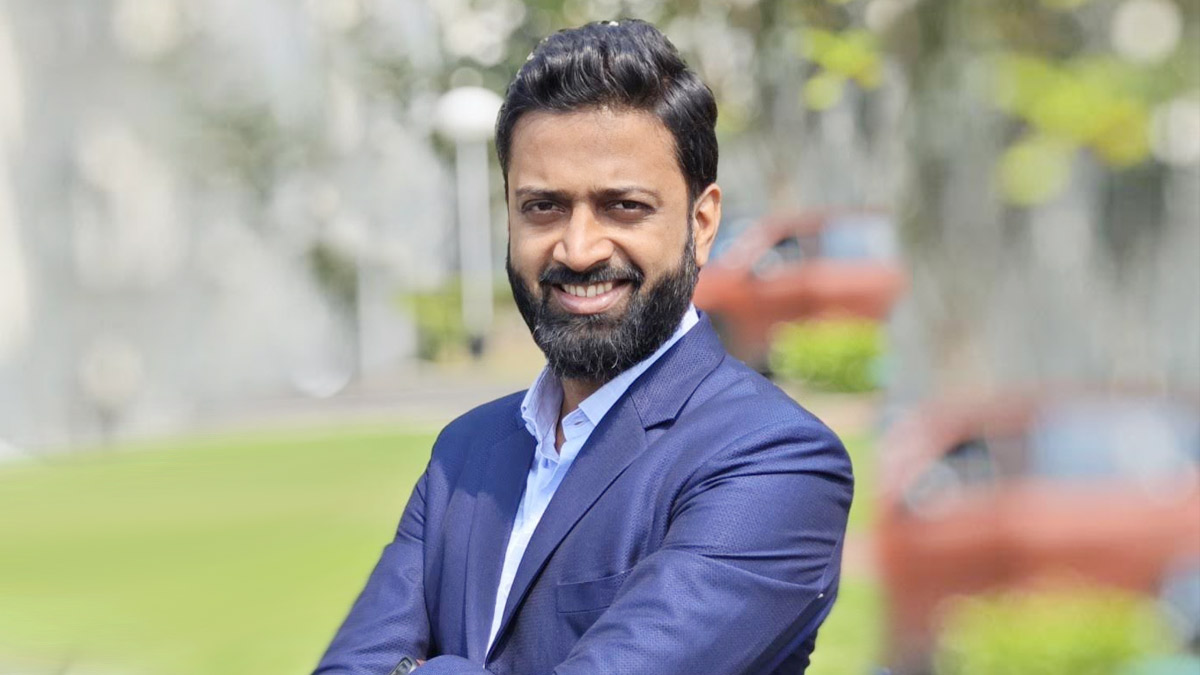
MUMBAI: Rakesh Menon has joined Paytm as assistant vice president – lending, taking on a new role focused on strengthening the company’s lending and credit products.
Prior to this, Menon worked at Profectus Capital Pvt Ltd as chief manager – payments based financing and digital lending.
At Profectus, he designed and launched digital credit products for merchants with variable cash flows, including overdraft-linked and revenue-share lending models. He led end-to-end LOS–LMS API integrations with payment partners and aggregators, enabling real-time underwriting, disbursal and repayment workflows.
He also worked on funnel optimisation initiatives using journey analytics, improving onboarding, KYC and disbursal conversion by 35 per cent. He developed ecosystem partnerships for transaction-data-based credit assessment and automated settlement systems, and collaborated with credit and data science teams to strengthen risk models and early delinquency detection.
Menon standardised partner onboarding and API frameworks, reducing go-live timelines by 40 per cent and improving digital scalability.
Before Profectus Capital, he worked at PayU as senior manager – presales lead – enterprise business from August 2022 to August 2023. He set up a national presales function for fintech and digital commerce clients, aligning solutions such as EMI, BNPL, BBPS and offer engines to merchant requirements.
He also helped improve conversion rates by around 15 per cent through merchant persona mapping, demo frameworks and structured sales playbooks, working closely with product and go-to-market teams.
From April 2019 to July 2022, Menon served as business unit head – SMB – direct acquisitions at Worldline, where he built the SMB online payments vertical from scratch. The business scaled to Rs 2,500 crore in annual transaction volume, growing at 45 per cent year-on-year.
During this period, he introduced paperless onboarding processes including eKYC and eSign, developed partner dashboards and CRM automation systems, and integrated platforms such as Shopify, WooCommerce and Tally to expand merchant adoption.
Across roles, Menon has worked across digital lending, payments and merchant financing, with experience in product development, ecosystem partnerships, API integrations and fintech-led growth strategies.
At Paytm, he will focus on scaling lending products and strengthening digital credit infrastructure within the company’s financial services ecosystem.
His appointment comes as fintech firms continue to expand their lending and embedded finance offerings in a competitive market.







