MAM
The World Sponsorship Monitor is re-launched

The World Sponsorship Monitor (TWSM), the monthly insight into the nature, value and duration of all significant sports sponsorship deals, trends and issues was re-launched at the Sport Accord conference in Madrid a few days ago.
Published by leading sponsorship research company Sports Marketing Surveys, TWSM is regarded as an essential reference work by members of the sponsorship community and provides a practical hard working tool for brand managers, rights owners and consultancies
Now in its third year, TWSM, which is available only on subscription, has been restyled to reflect and better display considerably enhanced content. It has been designed to bring the business of sponsorship into sharper focus and present its data in more accessible and relevant environment. For the first time, TWSM will have an online presence.

Director of Sports Marketing Surveys Nigel Geach said: ‘We felt it was time to update the look and feel of the publication, making it more user friendly for subscribers and providing more detail on nuances of individual sponsorship deals. We are achieving this and delivering insight about the structure of deals by interviewing the individuals responsible for brokering them. .
“The World Sponsorship Monitor has an increasingly important role to play in an ever more sophisticated and competitive sponsorship environment. There are a lot of brand managers, sponsors and prospective sponsors who need to keep in touch with the sponsorship market, and to gather insight about the values of the respective sports sponsorships. This report allows them to do that.”
In addition Sports Marketing Surveys has appointed specialist consultancy Communicate Sport to redevelop and market the next generation TWSM.

MAM
Beacon Group appoints Dr Rajesh Patel as Group CEO
36-year healthcare veteran to lead Beacon Diagnostics, Vector Biotek, Biogeny.
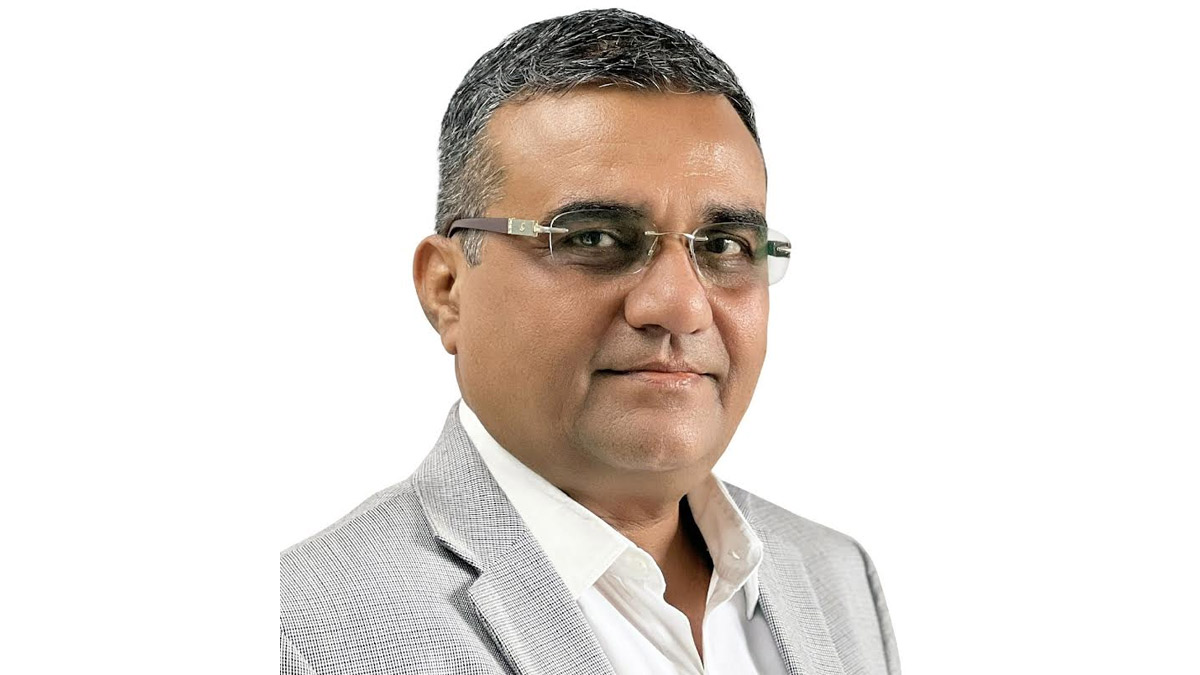
MUMBAI: A new chief, a fresh diagnosis and a sharper prescription for growth. Beacon Group has appointed Dr Rajesh Patel as its Group Chief Executive Officer, effective April 1, 2026, signalling a decisive push to scale its presence in the diagnostics and IVD space. Patel steps into the role with 36 years of experience across the healthcare and diagnostics industry, bringing a career shaped by leadership roles spanning sales, marketing, business development and operational strategy. His mandate is both expansive and precise: to steer the group’s overall strategic direction while tightening coordination across its three core entities Beacon Diagnostics, Vector Biotek and Biogeny Diagnostics.
In practical terms, that means driving cross-company synergies, accelerating market expansion and strengthening organisational capability areas increasingly critical as diagnostic players compete for scale in a fragmented yet rapidly evolving healthcare ecosystem. The group is positioning itself to capture unmet demand across chain laboratories, key accounts and standalone labs, segments that remain underserved despite growing diagnostic needs.
The appointment comes at a time when the In Vitro Diagnostics (IVD) sector in India is entering a more competitive and innovation-led phase, with companies focusing not just on product pipelines but also on service delivery, integration and customer-centric models. Beacon’s leadership appears to be betting that Patel’s execution-focused approach can help translate ambition into operational momentum.
Welcoming the appointment, Chairman Dr D K Joshi described Patel’s induction as a strategic move aligned with the group’s long-term vision, emphasising the role of leadership depth in navigating the next phase of growth.
For Beacon Group, the message is clear, in a sector where precision matters, leadership is the new differentiator—and this appointment is intended to set the tone for what comes next.






