MAM
The rise of influencer partnerships: Leveraging social media stars for PR success


Mumbai: Influencer marketing is not a new concept. It has been around for decades, in the form of celebrity endorsements, word-of-mouth recommendations, and testimonials. However, what has changed in recent years is the emergence and popularity of social media platforms, such as Instagram, YouTube Facebook, and X (formerly known as Twitter), that have given rise to a new breed of influencers: the social media stars. These are individuals who have built a loyal and engaged following online, by creating and sharing content that resonates with their audience. They are not necessarily famous or rich, but they have a powerful influence over their fans, who trust their opinions, advice, and recommendations.
According to a report by PRCAI, the PR industry in India reached Rs 2,100 cr in 2022-23. Though conventional media relations continue to be the key revenue source for agencies, the revenue share of digital and social media services has also increased rapidly over the years. More and more brands are recognizing the potential and value of influencer marketing, and are investing in it as part of their PR strategy. But why is influencer marketing so effective? And how can it be leveraged for PR success?
Influencer marketing can help reach and engage your target audience in a more authentic and organic way. Unlike traditional media, where you have to pay for advertising space or time, and compete with other brands for attention, influencer marketing allows you to tap into the existing network and relationship that influencers have with their followers. You can benefit from their credibility, expertise, and personality, and create a positive association between your brand and their content. For example, a beauty brand can partner with a beauty influencer who can showcase the company’s products, demonstrate how to use them, and share their honest feedback with their fans. This way, brands can reach a niche and relevant audience, who are more likely to be interested in your products, and trust the influencer’s endorsement.

Influencer marketing can also help with generating more awareness, buzz, and word-of-mouth for brands. Social media platforms are designed to encourage sharing, commenting, and liking, which can amplify the reach and impact of your influencer campaigns. You can also leverage the power of hashtags, challenges, contests, and giveaways, to create more engagement and excitement around your brand. A travel brand may collaborate with a travel influencer who can create a hashtag challenge, where they invite their followers to share their travel stories, photos, or videos, using your brand’s hashtag. This way, you can create a viral effect, and expose your brand to a wider and diverse audience, who may not be aware of your brand otherwise.
Influencers are also key to product discovery. A consumer trends survey by HubSpot found that 31% of social media users prefer to find out about new products through an influencer they follow rather than any other format or channel. The numbers are particularly high among Gen Z consumers, with 43% preferring influencers as a product discovery channel. Influencers also drive people’s purchase decisions. Among social media users aged 18-54, 21% have made a purchase as a result of an influencer’s recommendation. This shows that influencers can not only influence the awareness and perception of a brand, but also the purchase decisions of potential customers. There are several tactics which can be used to drive more conversions and sales from your influencer campaigns, such as providing discount codes, affiliate links, landing pages, or shoppable posts. These can help not just track and measure the performance of social media campaigns, but also incentivize the influencers and their followers to consider a particular brand’s products or services.
However, influencer marketing is not a magic bullet that can guarantee PR success. It requires careful planning, execution, and evaluation, to ensure that you achieve your goals and objectives, and avoid any pitfalls or risks. First, you need to define your goals and objectives, and align them with your overall PR strategy. You need to ask yourself: what do you want to achieve from your influencer campaigns? Is it to increase your brand awareness, improve your reputation, drive more traffic, generate more leads, or boost your sales? Depending on your goals, choose the right metrics and KPIs to measure your success, such as reach, impressions, engagement, clicks, conversions, ROI, or customer satisfaction.
Next, you need to identify and select the right influencers for your brand. You need to consider various factors, such as the size, relevance, and engagement of their audience, the quality and consistency of their content, the tone and style of their voice, the alignment and fit with your brand values and image, and the budget and expectations of the collaboration. You can use various tools and platforms to search and discover influencers in your niche, and analyze their performance and influence. You can also reach out to them directly, or through an agency or a network, and negotiate the terms and conditions of the collaboration.
Once the right influencer is onboarded, you need to monitor and optimize your influencer campaigns, and evaluate their results and outcomes. You need to track and measure the performance of your campaigns, using the metrics and KPIs that you have defined earlier. Analyze the data and insights, and see how your campaigns are impacting your goals and objectives. Collecting and assessing the feedback and sentiment of the audience, and seeing how they are responding to the brand and associated influencers is also important. Identifying the strengths and weaknesses of campaigns, and seeing what is working and what is not leads to an optimized PR strategy that fetches better results.
Influencer marketing is a powerful and effective PR tool, that can help you reach and engage your target audience, generate more awareness, buzz, and word-of-mouth for your brand, and drive more conversions and sales for your products or services. However, it is not a one-size-fits-all solution that can guarantee PR success. With careful planning, execution, and evaluation, influencer marketing can be leveraged to achieve the brands’ goals and objectives.
The author of the article is Value360 Communication co-founder Gaurav Patra.



Brands
DeVANS sparks buzz with self-chilling beer can April Fools campaign
Godfather stunt racks up 7 million impressions, blending humour with hype
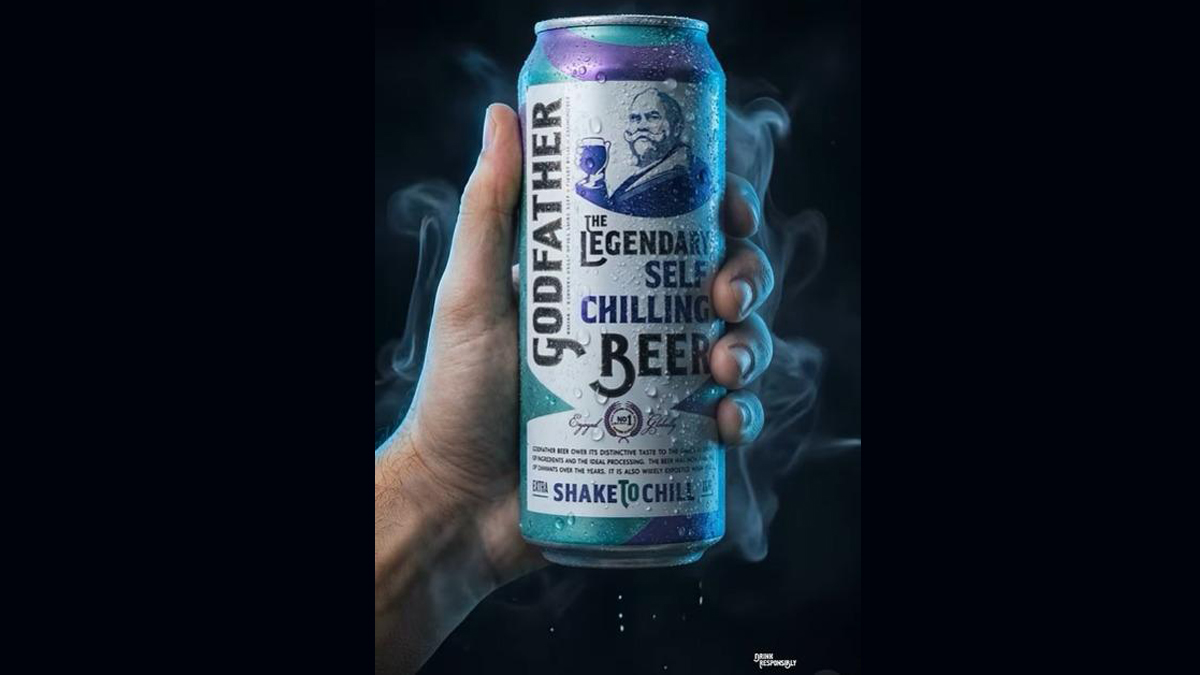
NEW DELHI: DeVANS Modern Breweries has stirred up the marketing pot with a playful yet high-impact campaign teasing a futuristic “self-chilling beer can” under its flagship Godfather label.
What began as a seemingly bold product innovation quickly turned into one of the most talked-about brand moments online, before being revealed as an April Fools’ Day prank. The reveal, however, did little to cool the buzz.
The campaign clocked over 7 million organic impressions across platforms including LinkedIn, Instagram, Facebook and X, with users debating whether the concept was a genuine breakthrough or clever marketing theatre. Thousands of shares and comments turned the idea into a full-blown conversation, drawing in both consumers and industry insiders.
The hook was simple but effective. A self-chilling can positioned as an on-the-go convenience product tapped into the imagination of younger, urban audiences. Add the timing around April Fools’ Day, and the campaign struck the perfect balance between curiosity and scepticism, keeping audiences guessing.
Marketing experts have pointed to the campaign as a case study in leveraging cultural moments. By leaving just enough ambiguity, the brand invited audiences to participate rather than simply observe, turning passive viewers into active contributors to the narrative.
“Godfather has always been an iconic brand, but iconicity must evolve to stay meaningful,” said DeVANS Modern Breweries chairman and managing director Prem Dewan. “The ‘Self-Chilling Can’ was our way of showing up in a cultural moment with confidence and a sense of humour.”
Beyond the numbers, the campaign signals a broader repositioning for Godfather. Long seen as a legacy beer brand, it is now leaning into youth culture, digital-first storytelling and topical engagement to stay relevant in a crowded alcobev market.
In a space where attention is fleeting, DeVANS has shown that sometimes the coolest idea is the one that keeps people guessing.






