MAM
The power of experiential marketing: How festivals are reshaping brand engagement

Mumbai: When it comes to festivals, India has its own distinctive ways of celebrating each one with immense energy and enthusiasm. With Ganpati, Durga Puja/Dussehra and Karwa Chauth just gone by, now we have Diwali on the horizon. These festivities are embedded so well in the culture and ethos of most Indians that they are marked clearly in the calendars. However, what does it mean for brands and marketers?
Well, they both know the huge potential of these festivities, as they are always finding ways to weave the brand narrative and gear themselves up with new marketing tactics. Aligning oneself with the festivity has turned out to be a vital method for brands that seek to make this season lucrative for themselves. In this context, experiential marketing has emerged as a powerful tool to break through the clutter and leave an everlasting impact on the target audience.
Exploring experiential marketing

Experiential marketing is a significant strategy that focuses on providing customers with immersive and memorable experiences. Unlike traditional methods, which are essentially one-way communication, experiential marketing incorporates active audience participation and engagement. In order to build a robust connection between the brand and its clients, it seeks to appeal to their senses and emotions.
Experiential marketing is a strategy that is the result of years of evolution in marketing blended with the innovations of brands. Hence, leveraging it at the time of festivities tends to offer better results as consumers are most active online at this point in time. Blending an experiential marketing strategy at festivals can forge authentic connections, create lasting impressions, provide a competitive edge, and drive customer loyalty.
Forging authentic connections
In a digital world where the target audience is skeptical about regular advertisements, experiential marketing offers an opportunity to forge authentic connections. It gives potential customers a direct and real-time experience of the brand’s products and services. The brands can allow their audience to have a first-hand experience of the brand. This can be achieved by crafting campaigns that focus on eliciting all the senses of the prospects, which in turn generates personal and relatable messaging, resulting in authenticity.
The Storytelling Revolution
Tanishq’s “Heera Ho Tum ” campaign was a treat to marketers. They made it a point to reshape the way women perceive their relationship with diamonds. Storytelling is at the core of experiential marketing, especially during festivals. Brands in India are crafting compelling narratives that resonate with the festival’s essence and cultural significance. Data from a Nielsen survey reveals that 72% of Indian consumers feel a stronger emotional connection to brands that tell authentic stories during festivals..
Creates lasting impressions
The attention span of netizens has significantly reduced; therefore, creating a long-lasting impression has become paramount. Experiential marketing allows for the delivery of positive brand experiences, which in turn encourages people to share the experiences via word of mouth, social media, or other forms of storytelling. For instance, an augmented reality (AR) ad on a social media platform that compels the audience to perform a certain task provides an immersive experience that engages the audience and ensures meaningful interactions. For instance, Nike has leveraged Facebook AR ads to promote their latest shoe releases. By using AR technology, users could superimpose virtual versions of the shoes onto their feet to see how they looked in real-life environments hence making it compelling for them to convert easily.
Provides a competitive edge
In order to take advantage of festival opportunities, standing out from the competition is extremely crucial. Think about how typical marketing approaches competition: in order to outperform the competition, a product may have a new feature that just slightly improves a benefit. However, an experiential approach reveals this: in order to set a brand apart from its rivals, the whole consumer experience needs to be taken into account. A brand can stand out from the clutter of traditional advertising by providing consumers with a delightful, instructive, or entertaining experience.
Creating Emotional Bonds:
Brands are using festivals to evoke emotions and create lasting bonds with their audiences. For instance, Cadbury’s heartwarming Diwali campaign, “Kuch Meetha Ho Jaye,” tells the story of family and togetherness.
Data-Driven Personalization:
Brands are using data analytics to personalize their festival marketing efforts. For instance, e-commerce giant Amazon tailors its Diwali deals based on individual shopping preferences. A Salesforce survey shows that 59% of consumers appreciate personalized offers during festive shopping, enhancing the overall brand experience.
Drives customer loyalty
Positive consumer experiences increase the likelihood that consumers will stick by a brand and recommend it to others. In this regard, customers can become brand evangelists through experiential marketing, resulting in repeat business and referrals. With this tactic at their disposal, brands can build a community of devoted followers that actively promote and stand up for the brand in trying times by investing in the customer experience. By producing thrilling and emotionally impactful live brand encounters, the experiential strategy aims to pique and maintain customer interest while cultivating devoted brand advocates and encouraging word-of-mouth promotion.
All things considered
Festivals provide marketers with a fantastic opportunity to craft memorable experiences for their customers by implanting effective marketing strategies and compelling brand campaigns. However, over time, celebratory marketing techniques have changed, with businesses now prioritizing the sentiments of their customers. This is where experiential marketing can come into its own as a potent instrument that aids in the creation of genuine connections, long-lasting impressions, a competitive advantage, and consumer loyalty for businesses. As we move forward, innovation will define experiential marketing’s future and change how brands interact, connect, and thrive in a constantly shifting consumer environment. Soon, the viewpoint of brands regarding experiential marketing will shift from a “good to have” to a “must-have” strategy.
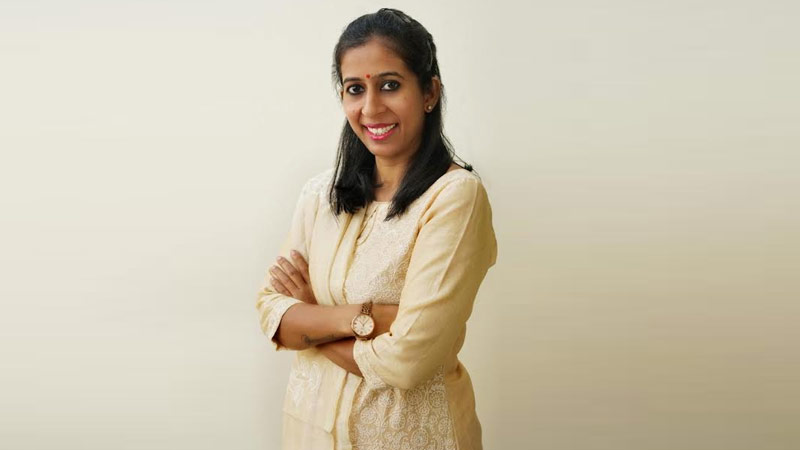
The author of the article is APAC, ETML director Vibha Singh.



Brands
Boeing appoints Barun as head of FP&A for global engineering function
Seasoned finance leader to steer budgets and strategy across global centres
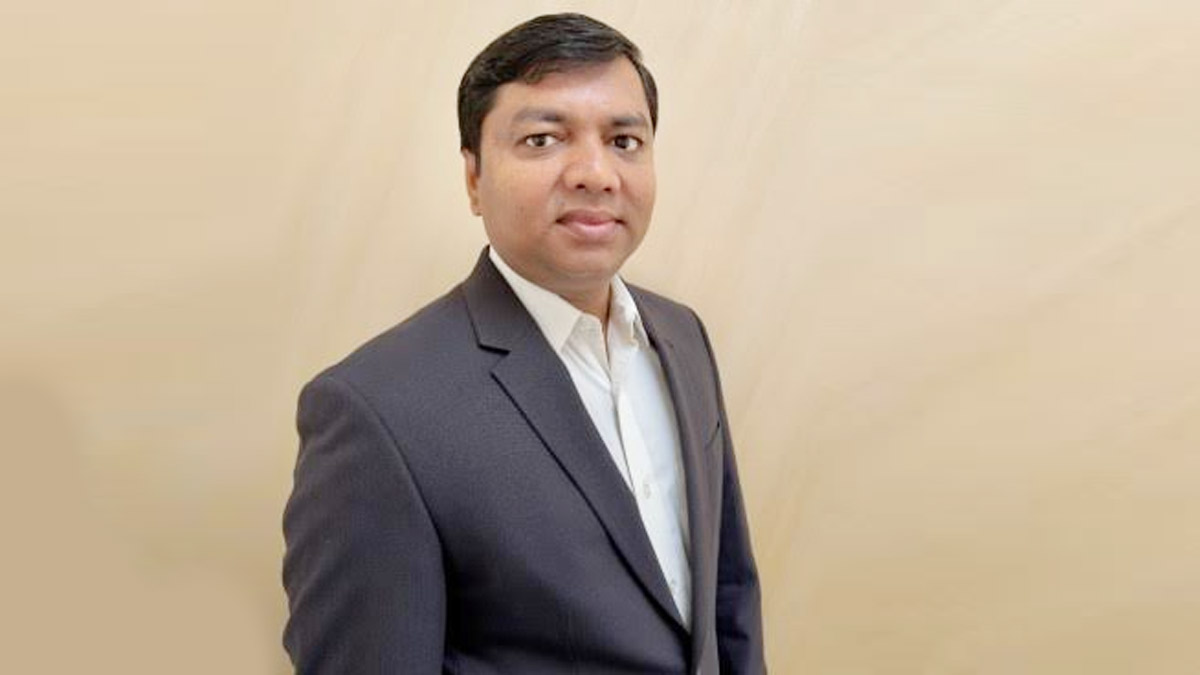
BENGALURU: Boeing’s finance cockpit has a new pilot, and he is no stranger to turbulence or transformation. Boeing has appointed Barun as head of FP&A for global engineering, placing him at the centre of financial strategy for its worldwide engineering and technology operations.
Based in Bengaluru, Barun steps into a role that is as expansive as it is critical. He will serve as the primary finance lead for Boeing’s Engineering and Technology Centers globally, working closely with executive leadership to shape financial decisions, manage complex budgets, and design scalable finance processes that support the company’s growing engineering footprint.
In a note announcing his move Barun said, “I’m excited to share that I’ve joined Boeing Global Engineering. This opportunity is incredibly meaningful to me not just from a professional standpoint, but also for what Boeing represents globally.” He added that he looks forward to contributing to an organisation that continues to shape the future of aerospace and innovation.
Barun’s mandate spans strategic financial leadership, operational oversight, and stakeholder engagement. From directing large-scale budgets and schedules to influencing long-term organisational goals, the role blends financial discipline with business foresight. He will also lead cross-functional teams and partner with finance colleagues worldwide to support engineering programmes across geographies, including India.
The appointment caps a long stint at Juniper Networks, where Barun spent over a decade, most recently as finance senior manager. There, he led FP&A for global product business units and G&A functions, driving budgeting, forecasting, and long-range planning. He also played a key role in enterprise-wide transformation, including spearheading an Oracle to SAP ERP migration and building advanced analytics capabilities using tools such as Tableau and SAP Analytics Cloud.
His earlier career includes finance leadership roles at Sony India Software Centre, Cognizant Technology Solutions, and Mphasis, where he focused on financial planning, governance frameworks, and operational efficiency across global delivery centres.
A chartered accountant from the Institute of Chartered Accountants of India, Barun brings nearly two decades of experience across financial planning, digital transformation, and analytics-led decision making.
His appointment comes at a time when global engineering operations are becoming increasingly complex and distributed, requiring sharper financial oversight and agile planning. With Barun at the helm of FP&A for engineering, Boeing appears to be tightening its financial playbook as it looks to scale innovation with discipline.






