MAM
The impact of the iPhone battery fiasco on brand Apple

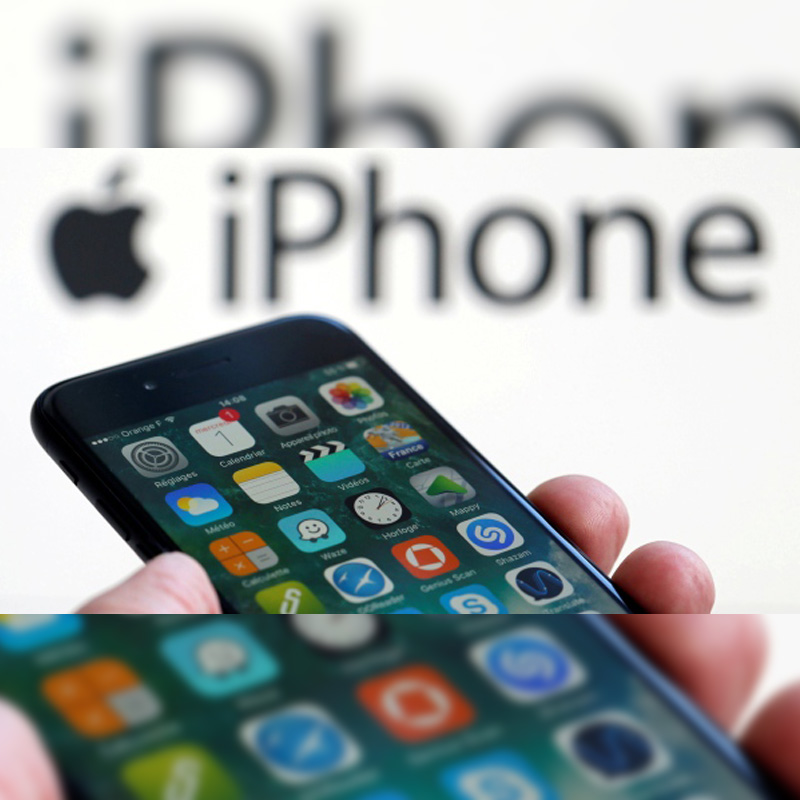
MUMBAI: Ever since Steve Jobs launched his company decades ago, the now ubiquitous Apple stands at the epitome of technology, especially when it comes to laptops and smartphones. For over a decade, users of the iPhone have not only cherished the Apple product as their most prized possession but also one that is worth every penny paid. For Rs 60,000-90,000, you get luxury combined with sleekness, unbeatable hardware and a lifelong association.
Apple sold 6.1 million first-generation iPhone units over five quarters and over 51 million iPhones in the first quarter of 2014. The iPhone became the best-selling technology product of 2017, selling more units than Samsung Galaxy8 and Nintendo Switch combined. In December 2017, Apple took a risk in introducing three new iPhones, the most expensive iPhone ever, the $999 X.
But avid iPhone lovers around the world felt angered when the news of Apple deliberately slowing down the battery of older versions was leaked early December last year. Although it was rumoured for the longest time that Apple slows down the earlier models, it was nothing less than a betrayal or shock for most of its ardent devotees as they felt it was a coercive move to get them to ditch the older ones for the latest expensive ones. They felt cheated and resorted to social media to criticise the company for beguiling them about throttling CPU performance of older models.


On 28 December 2017, the company was quick to issue an appropriate and well-crafted response on its website, acknowledging the effect that old batteries have on the iPhone’s performance. The company offered $29 (Rs 2000) battery replacements as a solution which would otherwise have cost $79.
In a media statement, Apple said, “To address our customers’ concerns, to recognise their loyalty and to regain the trust of anyone who may have doubted Apple’s intentions, Apple is reducing the price of an out-of-warranty iPhone battery replacement by Rs 3900 from Rs 5900 to Rs 2000 — for anyone with an iPhone 6 or later whose battery needs to be replaced, available worldwide through December 2018.”
Early in 2018, Apple will issue an iOS software update with new features that give users more visibility into the health of their phone battery, so they can see for themselves if its condition is affecting performance.

Stressing the fact that Apple will need to do a lot more than this, brand strategy specialist Harish Bijoor believes that Apple needs to fight the bad image it has accrued after all these decades with the latest controversy. “The brand is scarred for now on that count. Let’s remember, this is a politically correct world we live in. Something like this is considered a breach of trust with the gullible customer,” he points out.
While this turned out to be a good PR move for Apple to resolve the issue, it would mean that more iPhone users would now take the offer instead of upgrading to a newer device. Though Apple will gain some revenue with the battery replacement program, it will be nowhere close to the margins the company would have enjoyed on a brand new iPhone sale.
Barclays’ analyst Mark Moskowitz estimates that 77 percent of iPhone users are among those eligible to upgrade the batteries. “10 per cent of those 519 million users take the $29 offer, and around 30 per cent of them decide not to buy a new iPhone this year. This means around 16 million iPhone sales could be at risk, creating a negative (-) 4 percent downside to our current revenue estimate for C2018,” he says.
Bijoor emphasises that there is a need for strict actions to be taken against such companies and consumer compensation is a must which needs to be more in terms of brand positive strokes rather than money.
Indiantelevision.com tired seeking a response from Apple India’s spokesperson to understand the company’s point of view on the same but they did not respond to our message till the time of publication.
Only time will tell whether the move will further help brand Apple in restoring its image or not. But for now, as Apple says in its advertisements, “If you don’t have an iPhone, well you don’t have a (slow) iPhone!”
Also Read:
Apple commits $4.2 bn for original content
Jio-Apple strike a win-win deal as Airtel plans aggressive 4G offer







Brands
Maharashtra panel orders Lodha to refund Rs 5 crore to homebuyers
Consumer court flags unfair practices in long-running property dispute case
MUMBAI: In a sharp rebuke to one of India’s biggest real estate players, the Maharashtra State Consumer Disputes Redressal Commission has directed Macrotech Developers to refund nearly Rs 5 crore to a senior citizen couple, Uttam and Anindita Chatterjee. The ruling, delivered on March 13, 2026, calls out the developer for “deficiency in service” and “unfair trade practices”, bringing closure to a dispute that has stretched over a decade.
The case traces back to 2015, when the couple booked a 3-BHK flat at World Towers in Lower Parel for Rs 12.22 crore, with possession promised within a year. What followed was a series of changes that complicated matters. After deciding to exit the project, they were persuaded to shift to a 4-BHK in another development priced at Rs 8 crore, with delivery scheduled for 2018. However, within months, the price was allegedly increased to Rs 10 crore. After demonetisation reshaped the market, similar flats were reportedly being offered at lower prices, but the couple were not given the benefit.
Despite paying over Rs 2.83 crore, the couple neither received possession nor clarity. Instead, in 2018, the developer unilaterally cancelled the booking, retained part of the amount as earnest money, and argued that the buyers were investors rather than consumers. The commission rejected this claim, observing that casual references to “investment” do not take away consumer rights when the purchase intent is residential.
The bench also held that the developer could not penalise buyers for payment delays while failing to meet its own delivery commitments. It noted the lack of formal documentation for revised terms and termed the prolonged retention of funds without delivering a home as exploitative.
As part of its order, the commission directed the developer to refund Rs 2.83 crore paid by the couple, along with interest at 10 per cent per annum, amounting to around Rs 2.12 crore. In addition, Rs 1 lakh has been awarded for mental agony and Rs 50,000 towards litigation costs, taking the total payout to over Rs 5 crore. The developer has been asked to comply within two months.
For now, the ruling serves as a reminder that in real estate, shifting terms and delayed promises can carry a significant cost.