Brands
The evolution of sunglasses trends and styles over the decades


Sunglasses have become more than just a functional accessory; they’re a fashion statement, a reflection of personal style, and a symbol of coolness. Over the decades, sunglasses trends have undergone significant evolution, influenced by fashion, technology, and cultural shifts. Let’s take a journey through time to explore how sunglasses styles have transformed, adapted, and remained iconic.
In the early 20th century, sunglasses were primarily worn for practical purposes rather than fashion. Their main function was to protect the eyes from harmful UV rays and glare. Styles were basic, often featuring round or oval lenses with simple metal frames. It wasn’t until the 1950s and 1960s that sunglasses started to gain traction as a fashion accessory, thanks to Hollywood icons like Audrey Hepburn and James Dean, who popularized styles such as cat-eye and wayfarer sunglasses.
The 1970s saw the rise of oversized sunglasses, these bold, exaggerated frames exuded glamour and sophistication, reflecting the disco-era aesthetic. Meanwhile, the 1980s ushered in a new era of experimental styles, with aviator sunglasses making a comeback alongside neon colors, mirrored lenses, and geometric shapes. It was a time of bold statements and daring fashion choices.

As we entered the 21st century, sunglasses trends became more eclectic and diverse. Retro styles continued to dominate, with vintage-inspired designs making a resurgence. However, there was also a growing emphasis on innovation and technology, leading to the popularity of sporty sunglasses with polarized lenses and lightweight materials. In recent years, there has been a shift towards minimalist and understated aesthetics, with sleek, slim frames and neutral color palettes becoming increasingly popular. Classic styles like aviators and wayfarers have maintained their timeless appeal, while new trends emerge in response to changing tastes and preferences. From the resurgence of round frames to the rise of eco-friendly materials, sunglasses continue to evolve to meet the demands of modern consumers.
One notable trend that has emerged in the past decade is the influence of celebrity culture on sunglasses fashion. With social media platforms like Instagram driving trends and shaping consumer behavior, celebrities and influencers have become powerful arbiters of style, celebrity endorsements have propelled certain styles into the spotlight and sparked widespread emulation.
Moreover, collaborations between fashion brands and celebrities have led to a proliferation of limited-edition collections, further blurring the lines between high fashion and streetwear.
Looking ahead, it’s clear that the evolution of sunglasses trends will continue to be shaped by a combination of factors, including technological advancements, cultural influences, and shifting consumer preferences. As fashion becomes increasingly globalised and interconnected, we can expect to see a fusion of styles from different eras and regions, creating a rich tapestry of diversity and creativity.
In conclusion, sunglasses have come a long way as a utilitarian accessory. They have evolved into a symbol of style, status, and self-expression, reflecting the ever-changing landscape of fashion and society. Whether you prefer classic aviators or futuristic shield sunglasses, there’s a style out there to suit every taste and personality. So, as you step out into the sun, don’t forget to put on your shades and embrace the timeless allure of sunglasses fashion.
The article has been authored by QUE co-founder & CEO Shashank Saurabh.





Brands
Boeing appoints Barun as head of FP&A for global engineering function
Seasoned finance leader to steer budgets and strategy across global centres
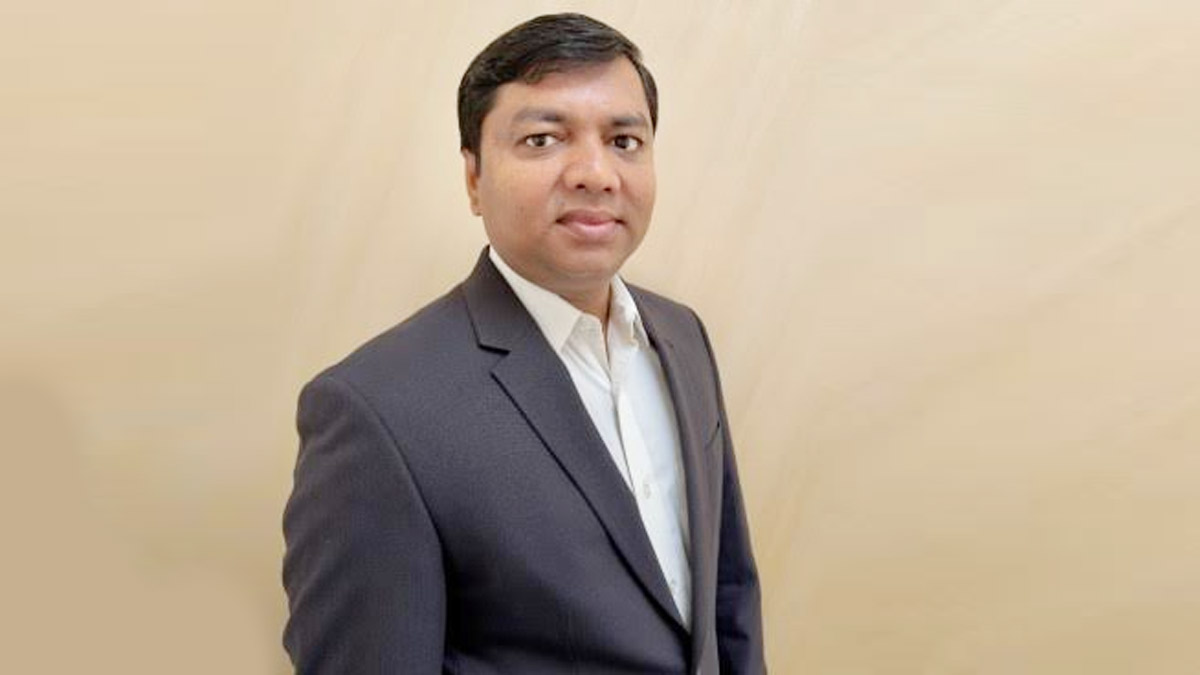
BENGALURU: Boeing’s finance cockpit has a new pilot, and he is no stranger to turbulence or transformation. Boeing has appointed Barun as head of FP&A for global engineering, placing him at the centre of financial strategy for its worldwide engineering and technology operations.
Based in Bengaluru, Barun steps into a role that is as expansive as it is critical. He will serve as the primary finance lead for Boeing’s Engineering and Technology Centers globally, working closely with executive leadership to shape financial decisions, manage complex budgets, and design scalable finance processes that support the company’s growing engineering footprint.
In a note announcing his move Barun said, “I’m excited to share that I’ve joined Boeing Global Engineering. This opportunity is incredibly meaningful to me not just from a professional standpoint, but also for what Boeing represents globally.” He added that he looks forward to contributing to an organisation that continues to shape the future of aerospace and innovation.
Barun’s mandate spans strategic financial leadership, operational oversight, and stakeholder engagement. From directing large-scale budgets and schedules to influencing long-term organisational goals, the role blends financial discipline with business foresight. He will also lead cross-functional teams and partner with finance colleagues worldwide to support engineering programmes across geographies, including India.
The appointment caps a long stint at Juniper Networks, where Barun spent over a decade, most recently as finance senior manager. There, he led FP&A for global product business units and G&A functions, driving budgeting, forecasting, and long-range planning. He also played a key role in enterprise-wide transformation, including spearheading an Oracle to SAP ERP migration and building advanced analytics capabilities using tools such as Tableau and SAP Analytics Cloud.
His earlier career includes finance leadership roles at Sony India Software Centre, Cognizant Technology Solutions, and Mphasis, where he focused on financial planning, governance frameworks, and operational efficiency across global delivery centres.
A chartered accountant from the Institute of Chartered Accountants of India, Barun brings nearly two decades of experience across financial planning, digital transformation, and analytics-led decision making.
His appointment comes at a time when global engineering operations are becoming increasingly complex and distributed, requiring sharper financial oversight and agile planning. With Barun at the helm of FP&A for engineering, Boeing appears to be tightening its financial playbook as it looks to scale innovation with discipline.






