MAM
The comeback of iconic brands

MUMBAI: In today’s metamorphic world, it is a constant struggle for brands to retain their identity and ensure that they are constantly in the minds of people. There have been iconic brands of the past which one fine day decided to vanish into thin air. Though still present, they dropped advertising and years later felt the urge to bounce back with a bang.
Be it the mango flavoured drink Frooti, or Appy Fizz, Crompton products, deodorant Old Spice, mobile handset Nokia or television champion Onida with its iconic devil, all these brands were superheroes of their own time and in their respective categories but disappeared from television screens with digitisation and modernisation kicking in.
After being away from television screens for sometime, Parle Agro’s Frooti hit the screens with a new brand ambassador Shahrukh Khan which helped in boosting sales.

Old Spice, which was known for its masculine and metrosexual male-dominated ad, came back with its new brand ambassador, Milind Soman in 2013, a man who women believe resonates with the company’s name and is an old spice himself. The ad helped Procter & Gamble (P&G) to target the metrosexual youth of today with India’s own ‘Iron Man’, doubling its revenue.
The question for any comeback is whether to create a new product or reaffirm the brand legacy. Tonic Worldwide chief strategy officer Unmisha Bhatt believes that it is a bit of both since as long as the brands are broadly loyal to the category, the legacy is maintained. But in some cases, the brand and product may be obsolete.
She also notes that legacy can also backfire with millennials considering that the brand could be perceived as fuddy-duddy and outdated as the new age consumer is looking for ‘cooler’ brands and not heritage brands.
Mediacom India managing partner Niti Kumar notes that once the brand has re-established itself it can move into line extensions and newer audiences and product line to stay relevant.
Today, we spend over 70 per cent of our waking hours on digital, especially mobile, with the rise of smartphone usage and data consumption in the broader strata of society. Hence, Bhatt thinks that while using a healthy media mix, brands need to embrace modern technologies so that their strategy is relevant not only for today but is also future-proof.
While traditional media including television, hoardings, pamphlets among others would have been a great way to communicate and get the message across 20-30 years ago, they are no longer relevant. Today, regardless of the product, digital is the key to every brand’s communication and, hence, brands that want to come back should leverage it.
One of the most important qualities that a brand needs to possess in this digital age is vigilance as today’s consumer needs answers and assistance at the drop of a hat and if a brand fails to deliver, there is a greater possibility of it snowing in Mumbai than of them giving you a second chance.
Brands need to stay true to their legacy as it is after all their greatest asset, according to White Rivers Media CEO and co-founder Shrenik Gandhi. He also suggests brands to never underestimate the power of a beautiful story as stories make sales pitches palatable and no one likes to be sold to.
Brands should play to their strength but they should not overestimate what their heritage brings to the table. Kumar thinks that sometimes, brands tend to think that because they’ve had a history and legacy in the past, it will still be relevant today, but that is not true and brands need to realise it because the consumer and market are evolving.
For Gandhi, Maggi’s comeback after battling the shattering of trust and the rise of an unprecedented new competitor was something that kept all marketers hooked and was a historic example. To find a place back in the hearts, minds and plates of customers is tough, and Maggi did it effectively, albeit in a lot more than two minutes.
While for Kumar Old Spice ad stood out among the rest, Bhatt thinks that Onida campaign was a fine example of a comeback and the recent television commercials during IPL matches are an example of that. They have evoked a great response, touching the nostalgic chord of the older generations and the contemporary ‘devil’ appealing to the younger masses also. However, it would have been exciting to see Onida also take a digital leap and connect with the millennials more smartly with engagement driven campaigns, new formats, tech interventions at retail outlets, e-commerce-based innovations and contextual weather-based innovative search campaigns, reviews and tech influencers.
Communication is a bridge between the old generation and the new, and it helps in reaching smaller pockets of the nation. Any brand that communicates well with its audience is sure to succeed in the long run. This also means, changing the communication and its medium as and when required to keep up with changing times. Here’s to more brands that have resurrected or want to resurrect from the dead to capture the ever-fragmented market!
Also Read :
Indian TVCs that rapped with consumers
Guest column: Ads that didn’t work!
Mirza and the art of brand endorsement
New Era up for hard graft in India






MAM
Indigo appoints Aloke Singh as Chief Strategy Officer
Air India Express MD joins to steer global growth and operational efficiency.
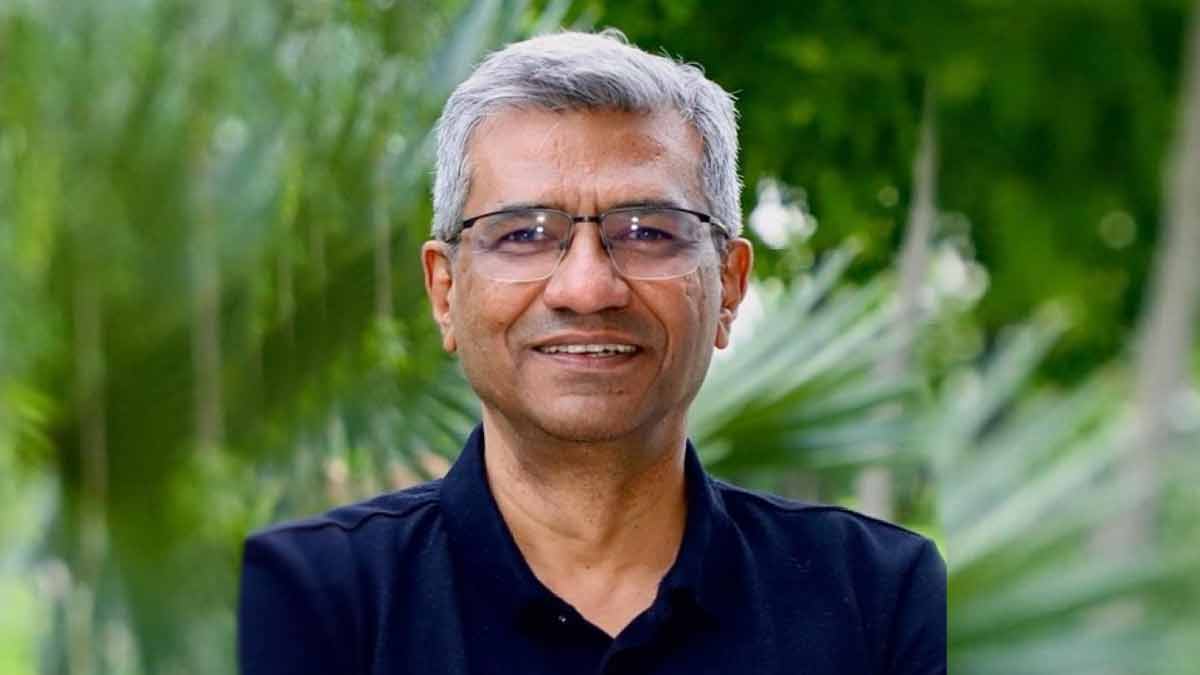
MUMBAI: Indigo just recruited its next big strategist from the rival camp because when you’re chasing the skies, sometimes the best way to fly higher is to borrow the pilot who already knows the route. InterGlobe Aviation, parent company of IndiGo, announced on 23 March 2026 that its board has approved the appointment of Aloke Singh as Chief Strategy Officer. Singh, who most recently served as managing director and CEO of Air India Express, will lead enterprise-wide strategic planning, operational efficiency initiatives and the airline’s aggressive push into international routes.
Reporting initially to managing director Rahul Bhatia and later to Indigo’s incoming CEO Singh brings over three decades of experience across strategy, operations and commercial functions in aviation. At Air India Express he drove network expansion and performance turnaround, earlier roles at Air India and Oman Air sharpened his focus on long-term planning.
“Aloke brings an exceptional blend of strategic vision and operational depth,” Bhatia said. “His experience will be critical as Indigo seeks to build a more agile, resilient and future-ready organisation.”
The appointment arrives at a pivotal moment. Indigo, India’s dominant domestic carrier, has faced intense scrutiny after operational disruptions in December 2025 thousands of cancelled and delayed flights due to crew scheduling misalignments with new pilot fatigue norms triggering fines, passenger chaos and regulatory heat. Former CEO Pieter Elbers resigned in March 2026 citing personal reasons, though his exit followed sustained pressure from those setbacks and rising costs.
Singh described joining Indigo as “a pivotal moment” for both the airline and Indian aviation, as the carrier accelerates beyond its domestic stronghold into a more competitive global arena.
In an industry where turbulence is measured in both altitude and headlines, Indigo isn’t just hiring a strategist, it’s recruiting a steady hand to navigate from domestic dominance to international takeoff, one calculated flight plan at a time.








