MAM
The arrival of the six-second TV spot, will India take to it?

MUMBAI: For advertisers and brand managers, is this the shape of things to come? Come 13 August 2017 and the US-based Fox Networks group is slated to launch a new concept in product promotion and TV commercial on live television: that of the six second spot, a first for the broadcast television industry.
The spots are slated to be aired during the Teen Choice 2017 show between 8 to 10 pm (5:30 am to 7:30 am IST) on television as well as in on-demand streams. The first two brands to jump on to this new unit of advertising are Duracell and Mars. Fox will simultaneously be running six second promos for its TV shows as well.
While Mars will be running six second TVCs for its Snickers and Twix brands during the Teen Choice Awards, Duracell will be pushing its batteries.

The six second spot is another unit of pod of advertising that is being tested in television advertising but it owes its existence to Youtube which pioneered the format.
Both Mars and Duracell are excited because youth today are preferring shorter ad lengths. The expectation is that channel zapping will go down during the ad breaks.
The six-second spot will also offer them innovative ways of telling their stories and brand messages while helping them drive value in their media investments. Both are hoping that the new ad format could play a bigger role in their creative asset mix going forward.
In India, the broadcasting, media and brand fraternity have been quite used to the three or five second tag-ons for sponsor boards which come at the end of every programme segment (or leading into another segment) leading to a commercial break or coming into another segment. But, in most cases media agencies do not create special shorter format commercials specifically for the tag-on spots; they just clip the regular 10-30 second ad to three to five seconds and air it.
Of course, the Indian advertising industry has experimented with long format commercials for a minute to three and a half minutes (remember Tata Sky’s Prison break commercial), but the regular unit has been between 10-40 seconds.
Internationally, the longest ever commercial ran for 13 hours five minutes and 11 seconds and promoted Arby’s Smokehouse Brisket sandwich. It was aired on a local TV network in Minnesota US from 24-25 May 2014. The commercial consisted largely of a single shot of a raw beef brisket being smoked over the course of 13 hours. At the conclusion of the smoking process, the cooked brisket was removed from the smoker, and a chef used the brisket to make a sandwich, according to the Guinness Book of World Records.
We have no idea how many watched the Arby’s ultra long spot, but its quite likely viewers did dip in and out over the 13 hours plus to see if their favourite TV shows were back on the telly. Arby’s claimed that almost 350,000 people tuned in with an average viewing time of 38 minutes.
And another commercial by Cycle and Carriage after sales service,Singapore ran on Youtube for 24 hours.
So, will Indian advertisers and agencies also experiment with the six second spot? They have already been dabbling in branded native content and advertiser funded programmes on TV as well as special videos of varying duration for social media platforms.
A few brands may take the six second tip and go for it. As well as some broadcasters. Especially those that target the youth – most of whom suffer from an attention deficit disorder and zap channels with determination during ad breaks.
The benefits are many: for broadcasters more brands could be accommodated during the commercial breaks, probably getting the them higher sales revenues, as they will be in a position to put two spots in the place of one 15 seconder. Of course it’s quite possible that audiences will stick to the channel and not run away. Which again could be win-win for media agencies, broadcasters and brands.
It’s now over to India’s brand custodians and advertisers to take a step forward.
Also Read:
Synergy between quality content & branding workable in digital space, feel industry experts
Global digital platforms adapting locally for BARC’s EKAM
Brands hop on to pre-IIFA events, Rahman & Sushant join in





MAM
PwC India announces leadership change in Deals practice
Shashank Jain steps down as co-leader after nearly three decades with the firm.
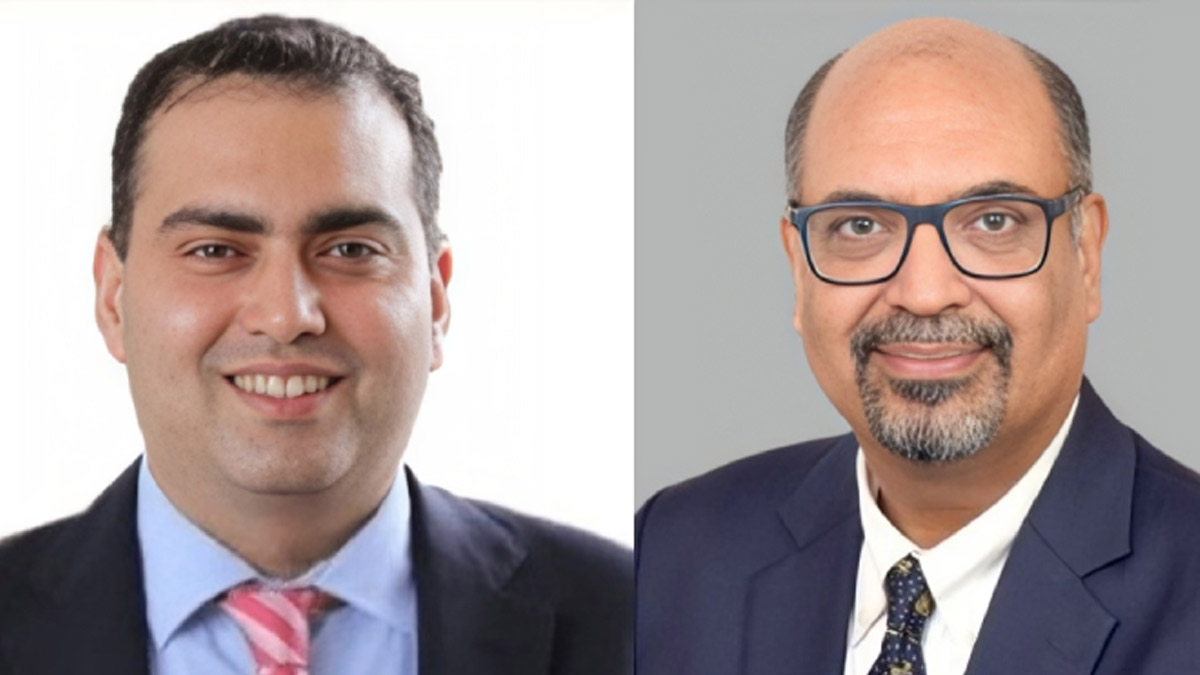
MUMBAI: When one dealmaker steps off the pitch, another is ready to take the baton because in the fast-moving world of transactions, the game never really stops. PwC India has announced a leadership transition in its Deals practice, with Shashank Jain stepping down from his role as co-leader to pursue an opportunity in the industry. The practice will continue to be led by Mohit Chopra, ensuring continuity and sustained growth momentum.
PwC India partner and leader for advisory dinesh Arora paid tribute to Jain’s contributions. “We deeply appreciate the significant contributions made by Shashank over close to three decades he has spent with PwC, particularly his defining role in shaping and strengthening our Transaction Services practice in India,” he said. Arora highlighted Jain’s support for clients through some of the most complex and significant transactions in the Indian market, noting his deep technical expertise, sound judgment and nuanced understanding of the evolving M&A landscape.
The Deals practice remains a key growth driver for PwC India, and the firm expects continued expansion under Mohit Chopra’s leadership. He will continue to guide clients through complex transactions and transformational business moments, building on the strong foundation established over the years.
Reflecting on his journey, Shashank Jain said, “I have had an exceptional journey at PwC. I owe my growth and learning to the nurturing environment and leadership development that PwC provided.” He added that he had been working closely with Mohit and the larger team to ensure a smooth transition and expressed confidence that Chopra would take the Deals practice to newer heights.
From intern to respected deals leader, Shashank Jain has clearly closed many successful transactions and now, it seems, he’s ready to strike a new deal of his own.