MAM
Telecom, content cos need to ally for product differentiation

MUMBAI: The Advertising Club Bombay’s Value Creation seminar on marketing entertainment and their growing inter-dependence last weekend threw up a possibility that telecom, entertainment and content development companies will forge alliances to provide product differentiation and increase penetration in an increasingly competitive scenario.
Bharti Enterprises director, marketing and corporate communications, Hemant Sachdev, while speaking on “Marketing can have more than fun with entertainment – it can help sell more”, said the real challenge in the future would not be about leveraging the abundant technology but about packaging content and entertainment to cater to the needs of discerning consumers. He added that content tie-ups need not be exclusive arrangements and would entail payment towards intellectual property rights. He urged telecom operators, entertainment companies and content developers to work out a revenue sharing arrangement for a win-win situation.
Sachdev claimed that the need of the hour in the telecom sector was a 360 degrees experience as against the classical product delivery; redefining the value proposition and going beyond the core product. He added that entertainment would play a vital role in offering a 360 degrees experience and creating value for the consumer. However, the creation of this value must be sustainable on a long-term basis He cited the examples of Walt Disney and McDonald’s that used the complete family entertainment experience proposition to increase sales.

“Potentially, the Indian consumer has not been exposed to the entire gamut of entertainment opportunities. Effective usage could increase the ARPU (average revenue per user) substantially,” said Sachdev. He stated that wireless data (SMS, SMS-based data, helplines, m-banking, value-added features such as fun messages, cricket updates, astrology, infotainment, entertainment, stock updates, music downloads, ring-tones and logos) would eventually outstrip the traditional voice-based services. He pointed out that smaller countries like the Philippines had shown a tremendous growth of pace in value-added mobile phone services such as anonymous SMS; encrypted SMS; Lotto and sweepstakes; crazy ring-tones (animal sounds); personalized logos and word logos; Wassup happenings around the locality; dream analysis, astrology, predictions, compatibility and others.
In the case of Airtel, over 60 million SMS messages are sent every day and 50 per cent of the subscriber base uses SMS; the traffic grows by 15 per cent every month; an average of 25 SMS messages per month per subscribers and five per cent of the service revenues are contributed by SMS, claimed Sachdev. The entertainment and financial services account for 75 per cent of all SMS based service traffic. The top ones amongst the others include ring tones (16 per cent) and logos.
Airtel has used entertainment-based promotions to make an impact on its targeted audiences. This strategy involved the use of contests involving movie tickets and film stars such as Shah Rukh Khan. “Shah Rukh Khan was a living example of our promise “Magic hain mumkin” as he had climbed the peaks of popularity from literally the ground level,” added Sachdev.
Need a hit? Its all about marketing and entertainment
TV personalities – good option for advertisers
Entertainment brands are illusory, elusive and magical – Star India COO Sameer Nair
Bollywood producers need specialised marcom agencies
Radio provides unique options to advertisers
Leo Entertainment capitalises on in-film product placements







MAM
Crocs and Lego launch new collaborative collection in India
Iconic brands bring playful creativity to footwear with first drop on 13 April 2026.
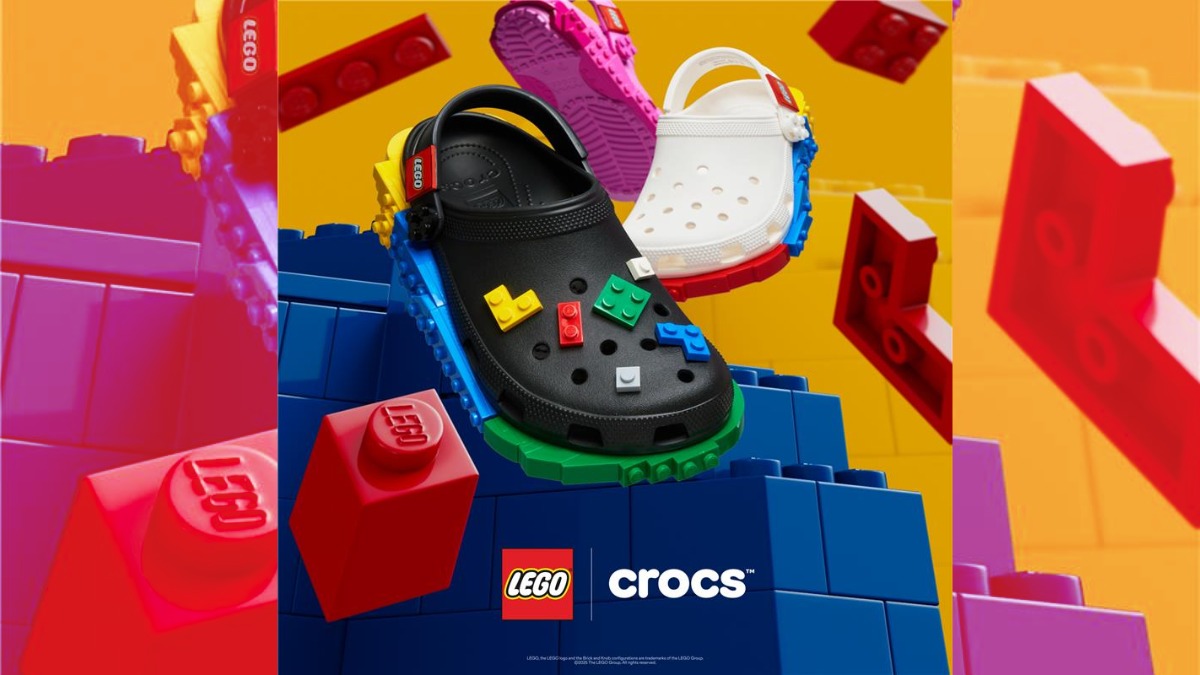
MUMBAI: Crocs and Lego have clicked together once again and this time, the bricks are heading straight for Indian feet. The global footwear brand Crocs has announced the India launch of its latest Crocs x Lego Group collection, following the excitement of their multi-year global partnership unveiled earlier this year. The collaboration celebrates creativity, play, and individuality, merging Crocs’ signature comfort with Lego’s iconic building-block spirit.
The collection will roll out in two phases. A digital-exclusive pre-launch begins on 13 April 2026 on crocs.in, featuring four styles: the Lego Masterbrand Creativity Clog, Lego Midnight Garden Creativity Clog, Lego Creativity Clog, and Kids’ Lego Creativity Clog. Each pair purchased during this phase will include an exclusive Lego minifigure as a collectible bonus.
From May 2026, the full collection will be available across select Crocs stores, VegNonVeg, and Foot Locker outlets nationwide.
The designs playfully blend Crocs’ classic clog silhouette with Lego brick-inspired details, complete with custom Jibbitz charms on the upper and sole. The collection encourages wearers to treat their footwear as a canvas for personal expression, without any set instructions just an open invitation to build, explore, and have fun.
Crocs chief marketing officer Carly Gomez said, “The Lego Group’s boundless imagination makes them the perfect match to Crocs’ wonderfully unordinary spirit. We are both brands that pride ourselves on being built different, celebrating self-expression and fuelling creativity.”
LEGO Group, head of licensing & extended line design & partnerships Satwik Saraswati added, “Our common mission to enable self-expression and wear it with pride only marks the beginning of a journey with endless possibilities.”
The campaign will extend beyond the product launch through creator-led seeding, elevated visual merchandising, and exclusive on-ground previews, supported by a deeper partnership with the Lego India team.
In a market that loves both comfort and fun, Crocs and Lego have built something special, a collection that lets every step feel like playtime. Get ready to click your heels (or rather, your clogs) because this collaboration is set to be a blockbuster hit with Indian fans.