MAM
Tech cos ready new immersive & interactive TV audio system


MUMBAI: Fraunhofer IIS, Qualcomm Technologies, Inc. and Technicolor, the three major technology companies behind the MPEG-H Audio standard, are demonstrating this new technology at the NAB 2015 conference in Las Vegas. In two separate venues, the companies will offer the world’s first live broadcast demonstration of their new immersive and interactive TV audio system currently proposed for ATSC 3.0 and being developed for over-the-top streaming video services.
MPEG-H Audio is designed to offer broadcasters a cost-effective means to elevate the sound quality of their offerings beyond 5.1 surround while incorporating groundbreaking new interactive and immersive features across the full range of modern viewing devices from high-end home theaters, to tablets, smart phones, and sound bars.

The end-to-end live production demonstration at the Fraunhofer booth will incorporate a live audio feed from a remote truck combined with recorded programming from video servers at the network. The process for distributing the new, live content to affiliate stations, inserting local commercials and emission to viewers’ living rooms, will be included in the demo.
Aside from the Fraunhofer prototype audio/video encoders and decoders and a Jünger Audio monitoring unit, all of the equipment in the demonstration is unmodified broadcast equipment used in TV plants and remote trucks today.
The system is based on the new MPEG-H Audio international standard. It offers viewers the ability to choose different audio presentations, such as “home team” or “away team” commentary for a sports event, or volume control over specific audio elements in a program – such as dialogue or sound effects. Viewers are also able to experience immersive sound over loudspeakers, new 3D soundbars, tablet computer speakers, and headphones. Additionally, it is a true multi-screen audio system that tailors playback so programs sound best on a range of devices and environments – from quiet home theaters with speakers to the subway or airport with earbuds.
All of these features will be under the control of the broadcaster or content distributor, providing new creative opportunities, such as the ability to efficiently add additional languages, players, or official microphones, or, as the three companies have demonstrated, car to pit crew radios at races.
“This system has grown from our pioneering work on Dialogue Enhancement years ago and our early work in immersive sound, as well as our 15 years of providing half the world’s TV sound. In November 2013, we presented the idea of a football game where you could Hear Your Home Team™ and adjust audio elements of a program to your preference. We have progressed to a full, live implementation of the audio path from the field of play at a sports event to the listener’s ears at home or mobile,” said Fraunhofer USA Digital Media Technologies division general manager Robert Bleidt.
“At Technicolor we are proud to contribute our Scene Based Audio Higher-Order Ambisonics technology to this great opportunity for broadcasters. We continue to invest in the creative community to develop a rich ecosystem for the Film and the Broadcast industry,” added Technicolor SVP, content solutions & industry relations Claude Gagnon.
The demonstration will also include prototypes of new consumer devices supporting MPEG-H, including a Technicolor set-top box, Samsung pre-production prototype TV, and Texas Instruments-based audio-video receiver.
In addition, Qualcomm Technologies will be demonstrating an end-to-end simulated live broadcast of immersive, scene-based MPEG-H audio. Every stage of a live Higher Order Ambisonic (HOA) production will be demonstrated: from capture of a live 3D musical performance, through efficient transport through a TV plant (NoC to affiliate), an emission encoder (MPEG-H) to playback on consumer devices with various speaker configurations.
“Qualcomm Technologies collaborated on the development and supports the new MPEG-H standard, and is taking important steps towards widespread distribution of HOA and MPEG-H audio across a range of consumer devices. Given Qualcomm Technologies’ technology leadership in 4K UHD video and now with MPEG-H audio, Qualcomm Technologies continues to drive innovations that can deliver unprecedented mobile multimedia experiences to consumers,” said Qualcomm Technologies vice president, engineering Samir Gupta.




MAM
Ameya Velankar steps down as Uber’s head of marketing for India & South Asia
Veteran marketer exits after more than seven years with the ride-hailing giant.
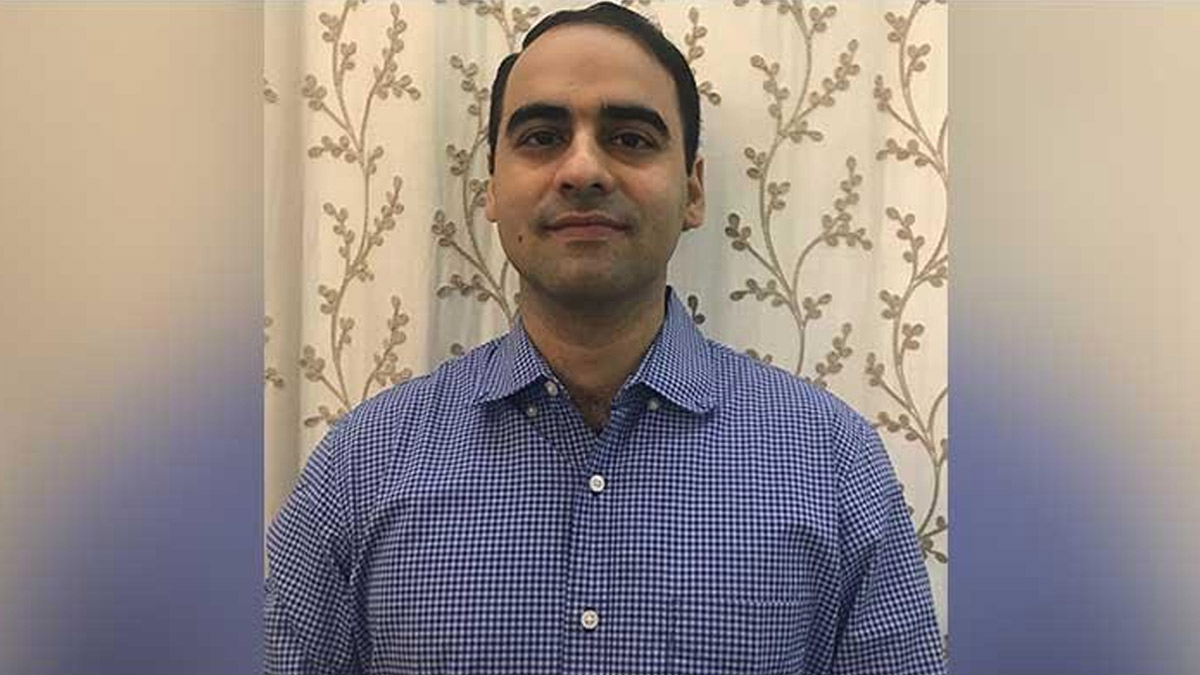
MUMBAI: After more than seven years of steering Uber through the bumpy roads of India’s mobility market, Ameya Velankar has decided to change lanes. Ameya Velankar has stepped down as Head of Marketing for India and South Asia, marking the end of a significant chapter at the ride-hailing company. He had been with Uber since 2019, taking on multiple roles in product and category marketing before rising to lead the marketing function for the region in 2021.
During his tenure, Velankar played a key role in strengthening Uber’s positioning in one of its most competitive and dynamic markets. He helped drive localised marketing strategies and scale adoption across key offerings such as Auto, Moto, Rentals and Intercity, tailoring global platforms to Indian consumer needs.
Prior to joining Uber, Velankar built his marketing expertise at leading consumer companies including SC Johnson and Marico, where he handled category and product leadership roles. His career began at RPG Enterprises.
Details of his next professional move have not been disclosed.
In a fast-evolving mobility landscape where brands constantly battle for attention, Ameya Velankar helped Uber stay relevant and resonant with millions of Indian users. As he moves on from the driver’s seat of marketing, the company will now look for fresh ideas to keep its wheels turning smoothly.






