MAM
Streamers 50% of online population; 60% content streaming on mobile devices: GroupM


NEW DELHI: Globally online streaming is getting mainline. Or so it seems. Streamers make up almost 50 per cent of the online population, while over 60 per cent of content streaming, led by music, is now done over mobile devices and much of it can be linked to “moods and moments”, according to a study done by GroupM and Spotify.
The report, put out by GroupM on its website early 2017, says the TV and movie streaming landscape is currently dominated by paid subscriptions, which promise users a high-quality, ad-free viewing experience. The TV and movie streamers make up about 40 per cent of the streaming realm.
According to the study, if the entry price point for TV and movie streaming is typically a monthly subscription fee, the entry price point for music streaming is even better: free. Because while most music streaming services do offer a paid subscription plan—much like the top video services— some, such as Pandora, Spotify, YouTube, and SoundCloud, also offer a completely free listening experience, supported by ads.

The study, undertaken in seven markets, including the US and parts of Europe, further observes that approximately 20 per cent of mobile music steamers report listening to music while out running errands and 30 per cent say they listen to music while showering.
Streaming audio and video content now play a constant role in people’s daily lives—and this drives a whole new set of consumer behaviours that the analysts like to call the streaming mindset. GroupM feels as people clamour for more content that they can get anytime, anyplace, their consumption habits span a wider range of media types and drive higher engagement across their day. The result is a greater value on access to content over ownership.


As streaming becomes standard, it’s now an expectation for consumers to have access to all media, all the time. In the process, the concept of “ownership” has become outdated. The study found that streamers are 23 per cent more likely than non-streamers to report valuing access to content over ownership, not only for music but for TV and movie content as well. “Controlling for demographic variables, this sentiment runs true across generations. Similarly, streamers in more mature markets (for example, the US) are more likely to endorse an access mindset, suggesting that the sentiment indeed grows over time,” the study observes.
“Today, streamers make up almost 50 per cent of the online population, according to our survey. So it’s time to see streaming as the norm rather than the niche— as an integral piece of your media plan rather than an afterthought,” observes Rob Norman, Chief Digital Officer, GroupM, adding that for brands and marketers, these on-demand, on-the-go streaming services have the potential to provide unprecedented levels of consumer under¬standing.
This ‘moods’ and ‘moments’ approach has the potential to open up about $220 million in new ad revenue in the seven markets surveyed, AdAge comments.
For this study, GroupM paired Spotify’s streaming data for its +100 million users alongside GroupM’s LIVE PANEL, a 30-market consumer resource panel built from a Lightspeed database of 5.5M consumers. To add some context to the product and LIVE PANEL data, GroupM also surveyed 20,000 people around the globe to uncover the streaming state of mind.

“Our results reveal rising trends, key metrics, and important truths that can ultimately help make sure your media plan is future-proof, built around high-quality content and made for the consumers of tomorrow,” Norman explains.






MAM
Ameya Velankar steps down as Uber’s head of marketing for India & South Asia
Veteran marketer exits after more than seven years with the ride-hailing giant.
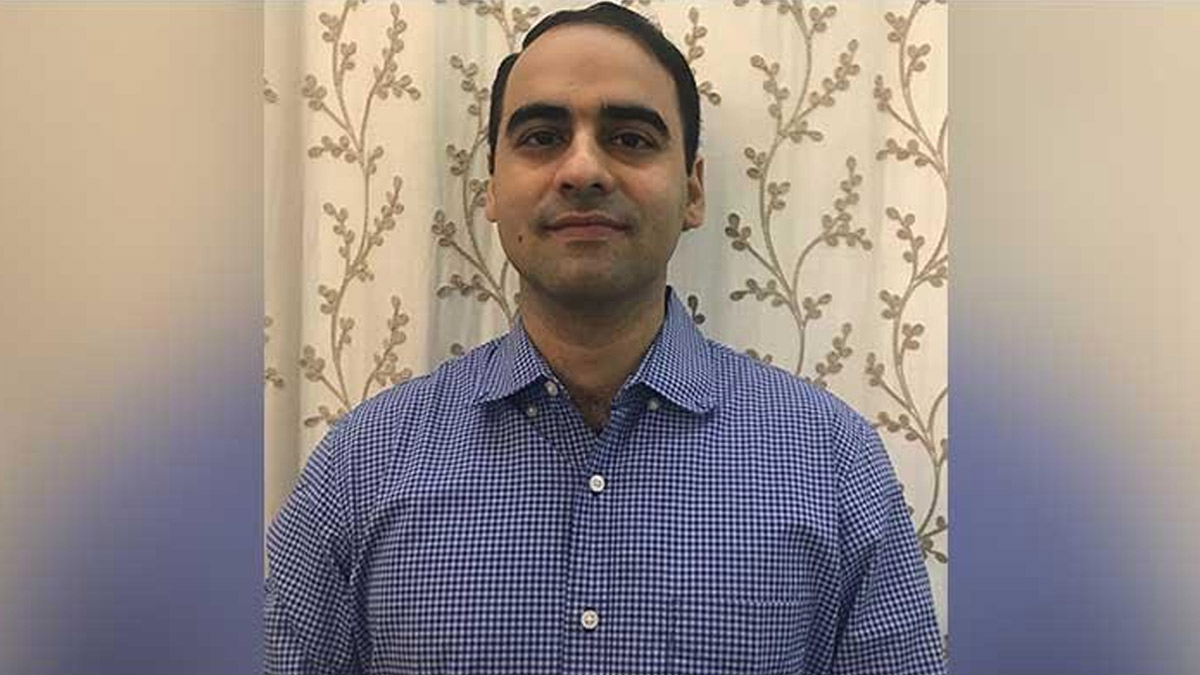
MUMBAI: After more than seven years of steering Uber through the bumpy roads of India’s mobility market, Ameya Velankar has decided to change lanes. Ameya Velankar has stepped down as Head of Marketing for India and South Asia, marking the end of a significant chapter at the ride-hailing company. He had been with Uber since 2019, taking on multiple roles in product and category marketing before rising to lead the marketing function for the region in 2021.
During his tenure, Velankar played a key role in strengthening Uber’s positioning in one of its most competitive and dynamic markets. He helped drive localised marketing strategies and scale adoption across key offerings such as Auto, Moto, Rentals and Intercity, tailoring global platforms to Indian consumer needs.
Prior to joining Uber, Velankar built his marketing expertise at leading consumer companies including SC Johnson and Marico, where he handled category and product leadership roles. His career began at RPG Enterprises.
Details of his next professional move have not been disclosed.
In a fast-evolving mobility landscape where brands constantly battle for attention, Ameya Velankar helped Uber stay relevant and resonant with millions of Indian users. As he moves on from the driver’s seat of marketing, the company will now look for fresh ideas to keep its wheels turning smoothly.






