MAM
Steering innovation through collaboration: Tata Motors launches TACNet 2.0


MUMBAI: With the aim to steer innovation through collaboration, Tata Motors today formally announced the launch of Tata Motors AutoMobility Collaboration Network 2.0 (TACNet 2.0), a platform that will help develop a centre of AutoMobility innovation through partnerships for new technologies and/or business models. It will also allow Tata Motors to engage with start-ups and technology companies to easily connect with them, spark innovative solutions in the automotive technologies and mobility ecosystem and explore synergies.
According to Mr. Shailesh Chandra, President – Electric Mobility Business & Corporate Strategy, Tata Motors Ltd., “The automotive industry is undergoing a rigorous transformation phase with new and advanced technologies in manufacturing, digitization solutions to optimize the operations and supply-chain, innovative and advanced product technologies and disruptive business/service models for engaging the customer and other related stakeholders. Today, almost every segment of the automotive value-chain is required to drive its own innovation story. As a leading Indian automotive brand, we need to constantly keep innovating for better serving the market, our customers and the categories we cater to. In the current age of uncertainty and speed of change, the above effort of sourcing solutions will need to be driven both through in-house initiatives as well as collaborating with external partners. TACNet will enable the outside world in connecting with us for such innovation and collaboration opportunities. We are looking forward to unlocking the potential of India’s finest startups and technology and solution based companies.”
TACNet, is a platform for connecting aspiring mature start-ups with Tata Motors to solve existing and anticipated challenges in the cargo and people mobility. The themes for TACNet 2.0 are centered on areas that are of immediate interest to Tata Motors. The company is looking for directly applicable solutions for block chain in automotive, parking marketplace, NLP native chatbot, demand prediction algorithm, real time monitoring of fuel quality (BSVI) and authenticating genuine spare parts. Interested applicants can apply by filling out the application form on the company’s web page – tacnet.tatamotors.com. Last date for entries will be September 29, 2019. This program will commence from inviting participations from aspiring start-ups, to pitching of their business and then culminating into a potential for a strategic partnership with an opportunity to even pilot a project.








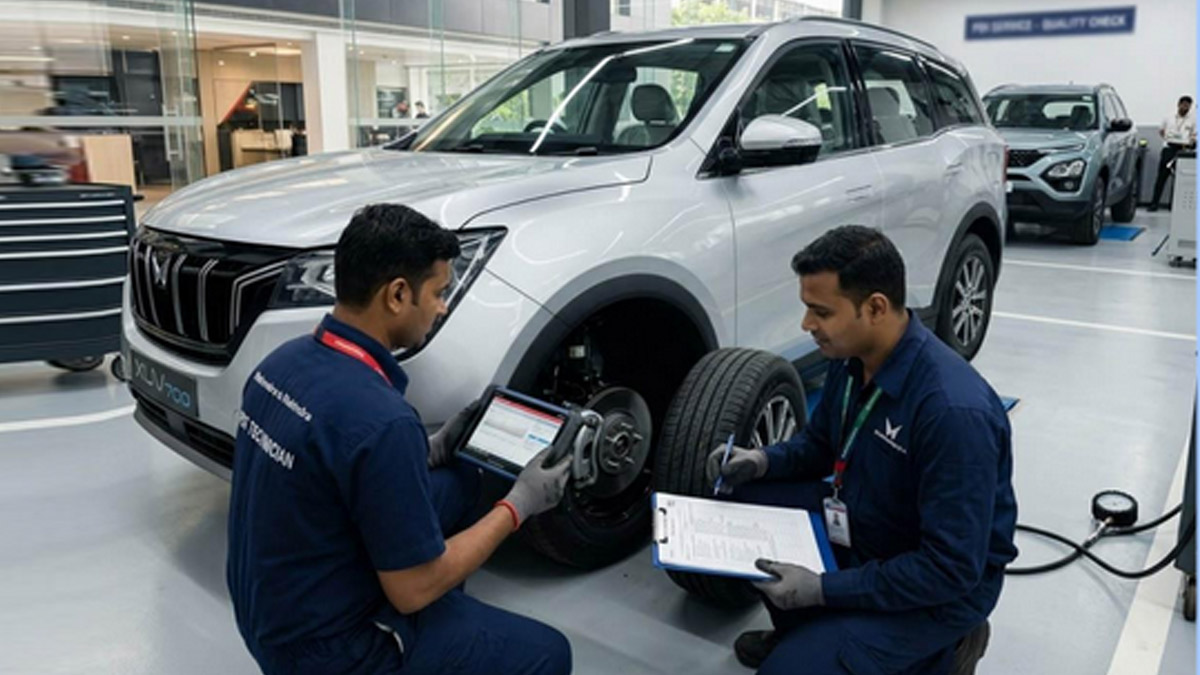
You have spent weeks researching, test driven a few options, finalised the colour and variant, and are now days away from taking delivery of your new car. It feels like the hard part is over. But there is one step that most buyers skip entirely, and it is the one that protects everything else. Understanding what PDI meaning covers and why it matters could save you from discovering a Rs 20,000 to Rs 80,000 problem after you have already signed the papers.
PDI stands for Pre-Delivery Inspection. It is a structured check that happens before your car is handed over to you. A proper PDI car service covers everything from paint quality and panel alignment to electrical systems, fluid levels and tyre pressure. Dealers are supposed to conduct this before delivery, but the depth of the check varies widely. And if the buyer does not know what to look for, problems slip through.
What Does a PDI Actually Cover?
A thorough PDI checks the car across four broad categories:
| Category | What Gets Checked | Common Issues Found |
| Exterior | Paint quality, panel gaps, glass, lights, tyres | Paint chips, uneven panel alignment, scratched glass |
| Interior | Seat upholstery, dashboard, AC, infotainment, switches | Loose trims, non-functional buttons, squeaks and rattles |
| Mechanical | Engine bay, fluids, battery, brakes, steering | Low fluid levels, minor leaks, battery not fully charged |
| Electrical | All lights, windows, central locking, sensors | Malfunctioning sensors, flickering displays, USB ports |
Each of these categories can hide issues that are minor at delivery but expensive if left unaddressed. A small paint chip near a door edge, for example, can lead to rust in a humid city like Mumbai or Chennai within 12 to 18 months.
What It Can Cost You to Skip the PDI
Here is a realistic look at what buyers have discovered after delivery that a proper PDI would have caught before:
• Paint defects requiring respraying: Rs 8,000 to Rs 25,000 depending on the panel
• Misaligned panels or doors that need workshop adjustment: Rs 3,000 to Rs 8,000
• Non-functional infotainment unit needing replacement: Rs 15,000 to Rs 40,000
• Scratched windshield that needs full replacement: Rs 6,000 to Rs 18,000
• AC not cooling properly due to low refrigerant: Rs 2,000 to Rs 5,000
• Tyre with a slow puncture from storage damage: Rs 3,000 to Rs 6,000
The total exposure from a single missed PDI can range from Rs 5,000 for minor issues to Rs 80,000 or more if multiple problems are found post-delivery. More importantly, proving that a defect existed before delivery becomes significantly harder once you have taken the keys.
Why Dealer PDIs Are Not Always Enough
Most dealerships do conduct a pre-delivery check on their own, but the process is not always as rigorous as it should be. There are a few reasons for this:
High Delivery Volumes
During festive season or at the end of a financial year, dealerships handle a surge in deliveries. When a service team is processing 15 to 20 cars a day, the depth of each check inevitably suffers.
Incentive Misalignment
Dealership staff are often incentivised on delivery speed and customer satisfaction scores. Finding a defect and sending a car back for rework delays delivery and affects scores. The incentive to look harder is not always present.
Buyer Unawareness
Most buyers arrive at delivery excited and in a hurry to leave. Without knowing what to look for, they miss things that a trained eye would catch immediately. Dealers know this, and the pressure to be thorough is lower when buyers are not asking questions.
What You Should Check Yourself at Delivery
Even if the dealer has completed their PDI, spend 20 to 30 minutes doing your own check at delivery. Here is a quick reference:
Check How to Do It Time Required Walk around in daylight Check all panels for scratches, chips and dents 5 minutes Open every door Check seals, check for rattles, test all windows 3 minutes Check interior thoroughly Test every button, switch and screen 5 minutes Start the car Look for warning lights, check AC, check all lights 5 minutes Check the boot Look for spare tyre, tools, jack and damage 2 minutes Inspect tyres Check pressure and look for sidewall damage 3 minutes
The Bottom Line
A PDI is not a formality. It is the last line of defence between you and a problem that the manufacturer or dealer should have fixed before you paid for the car.
Take the time to understand what the check involves, ask your dealer for confirmation that it has been completed, and do your own walkthrough at delivery. Twenty minutes of attention at this stage can save you weeks of workshop visits and tens of thousands of rupees down the line.