MAM
Status quo prevails in the GEC hierarchy


MUMBAI: Two of the top three general entertainment channels, Sony and Colors, have lost eyeballs while genre leader Star Plus has seen a mild gain in ratings over the earlier week.
Star Plus added 3 GRPs (gross rating points) during the week ended 4 February to end with 309 GRPs (last week 306) according to TAM data for the Hindi speaking markets (C&S, 4+).
The channel leads most of the primetime slots with its five shows in the top 10 GEC list. The top 4 ranked shows are its fiction properties, Saathiya Saath Nibhana (6.21 TVR), Yeh Rishta Kya Kehlata Hai (6.18 TVR), Diya Aur Baati Hum (6.1 TVR) and Is Pyaar Ko Kya Naam Doon (4.70). Star Plus‘ Ek Hazaron Mein Meri Behna Hai occupied the 9th spot with a rating of 3.90.

Set, meanwhile, lost 20 GRPs. Though the position of the channel on the GEC rating chart remained the same, it clocked 217 GRPs (last week 237).
Viacom18‘s flagship channel Colors becomes the biggest loser of the week, shedding 26 GRPs to end with 204 points. Last week, the channel had mopped up 230 GRPs, adding 30 points from the telecast of Screen Awards.
Zee TV saw a 7 GRP rise in this week. Continuing to be the number 4 GEC, the channel ended the week with 179 GRPs (last week 172).
Sab clocked 133 GRPs (last week 132), while Star‘s second GEC Life OK, rested with 83 GRPs (last week 85).
Imagine TV with 55 GRPs (last week 61) and Sahara One with 48 GRPs (last week 45), stood at the bottom of the ladder.







Brands
Safex Group appoints Richa Malhotra as group chief financial officer
Former Standard Chartered executive to steer finance
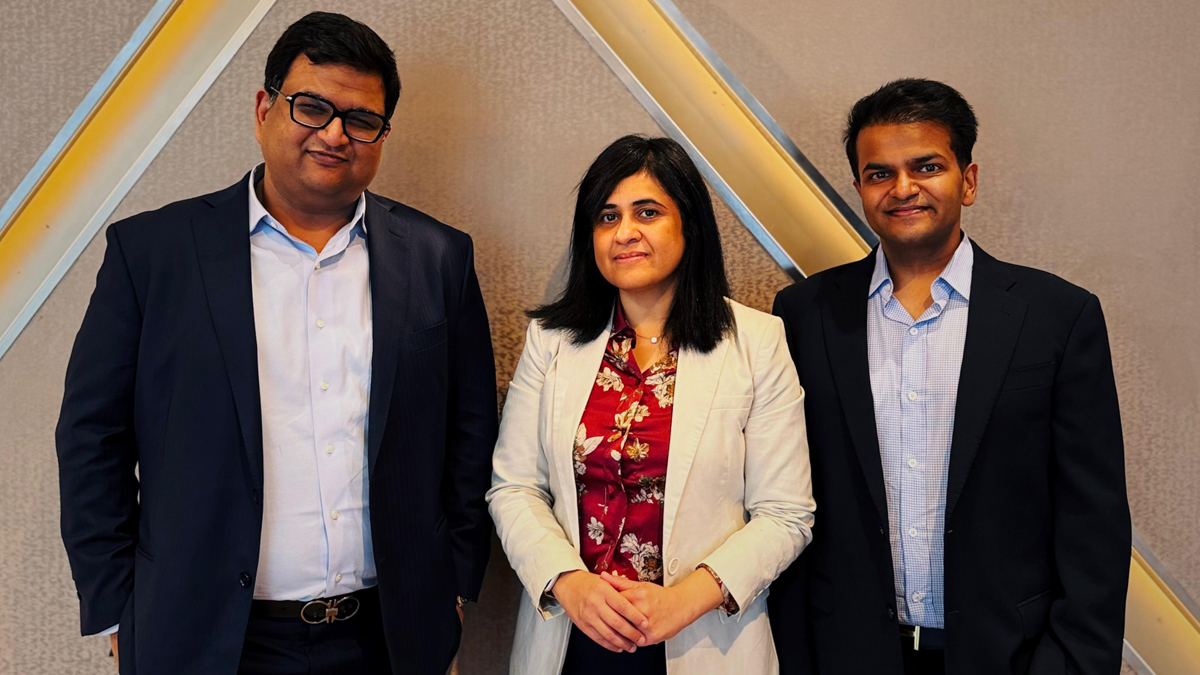
NEW DELHI: Safex Chemicals has appointed Richa Malhotra as group chief financial officer, strengthening its leadership team as the company prepares for the next phase of expansion in specialty chemicals and global agrochemicals.
In her new role, Malhotra will lead the group’s financial strategy, capital architecture and governance framework as Safex scales operations across multiple verticals including branded formulations, specialty chemicals and contract manufacturing.
A chartered accountant and graduate of Shri Ram College of Commerce, University of Delhi, Malhotra brings more than two decades of experience in business finance, strategic planning, corporate banking and client management.
Before joining Safex, she served as executive director, financial markets at Standard Chartered, where she led teams across India and Sri Lanka and worked closely with large corporates, global subsidiaries and commercial banking clients. Her expertise includes capital structuring, treasury operations, risk management and financial markets led financing solutions.
Safex Group promoter director and joint managing director Piyush Jindal, said the appointment comes at a pivotal time for the company. “Safex stands at an inflection point as we build an integrated platform across branded formulations, specialty chemicals and contract manufacturing. Richa’s experience across global financial institutions will strengthen our financial discipline and help unlock value across the group,” he said.
Malhotra said she was looking forward to contributing to the company’s next chapter of growth. “Safex has built a strong reputation over 35 years with its focus on integrity, innovation and agricultural insight. I am excited to be part of the organisation as it expands its footprint in India and global markets,” she said.
The appointment comes as Safex continues to strengthen its financial foundations and scale operations internationally, positioning itself for future growth milestones.