MAM
Star TV labeled as a ‘Superbrand’

NEW DELHI: Superbrands India bestowed The Superbrand award to Star TV for being the strongest brand in the media category.
The much anticipated first list of the winners of India’s very first “Oscars in Branding” – The Superbrands, were announced today and were chosen from over 700 short-listed consumer brands. The Superbrands India 2003 list includes ACC, Airtel, Allen Solly, Amex, Apollo, Aqua Guard, Archies, Ashok Leyland, Band Aid, Bata, Blue Dart, Boost, Boroline, Cinthol, ColorPlus, Dhara, DHL, ESPN, Femina, Fuji Films, Gili, Godrej Refrigerators, Goodknight, Hero Honda, Horlicks, Hutch, ICI Dulux, ICICI Prudential, ITC Welcomgroup, Jaquar, Jet Airways, Johnson’s Babycare Range, Kerala Tourism, Kitply, Levis, Louis Phillippe, Moov, NIIT, Parryware, Phillips, Pizza Hut, Raymond, Reid & Taylor, Revlon, Sahara, Saridon, SIFY (Satyam), Star TV, State Bank of India, Strepsils, Tanishq, Tata Cars, Tata Salt, Tata Tea, Tata Trucks, The Economic Times, The Times of India, Thomas Cook, Timex, Titan and VLCC.
Superbrands is an independent body composed of legendary advertising, marketing, research and media professionals mandated to recognise excellence in branding and promote the discipline of branding itself. The winners have been identified to be the strongest brands in their respective categories.

The Superbrands Organisation has been tracking the branding phenomenon for the past 10 years. The criteria for selection of the winning consumer brands include perceived brand image plus the brands’ mind share, goodwill, consumer loyalty, trust and emotional bonding.
Superbrands India MD and Chairperson Superbrands India Council Anmol Dar said, “Being the competitive market that India is, there is a lot for business and industry to learn from the success of these brands. The Indian Superbrands are the best of the breed and consumers are instinctively aware of their distinction.”
The winners will be felicitated in a gala event later this year, which will also feature the release of the first edition of the book Superbrands, which will be a chronicle of India’s Strongest Brands for the year 2003.
“I’m certain that this inaugural edition and the subsequent books will become collector’s item – a historical perspective of brand development in India and the brand themselves who make the grade to this exclusive hall of fame,” added Dar.
The Brand Council evaluated over 700 consumer brands in the country under 98 different categories to identify the Indian Superbrands for the year. The Brand Council has doyens from the world of commerce and industry including Hindustan Levers Limited Executive Director Dalip Sehgal, AC Neilsen ORG-MARG Chairman KMS Ahluwalia, J Walter Thompson CEO Mike Khanna, Raymond Limited Group President & Full-time Director Nabankur Gupta, O&M Group President & National Creative Director Piyush Pandey, Bennett Coleman & Company President Pradeep Guha, Britannia Industries Limited former MD & CEO Sunil Alagh, Indian Institute of Mass Communications Chairperson Tara Sinha and ITC Chairman Yogi Dewashwar.
The Superbrand juggernaut has now rolled out to 26 countries around the world including the UK, the US, France, Australia, Germany, Italy, Sweden, Holland, Hong Kong, Malaysia and of course India..





MAM
Omnicom Advertising appoints Rohan Mehta as Chief Transformation Officer
Veteran digital leader to unify capabilities across Kinnect, BBDO, TBWA\Lintas, McCann and Mudra.
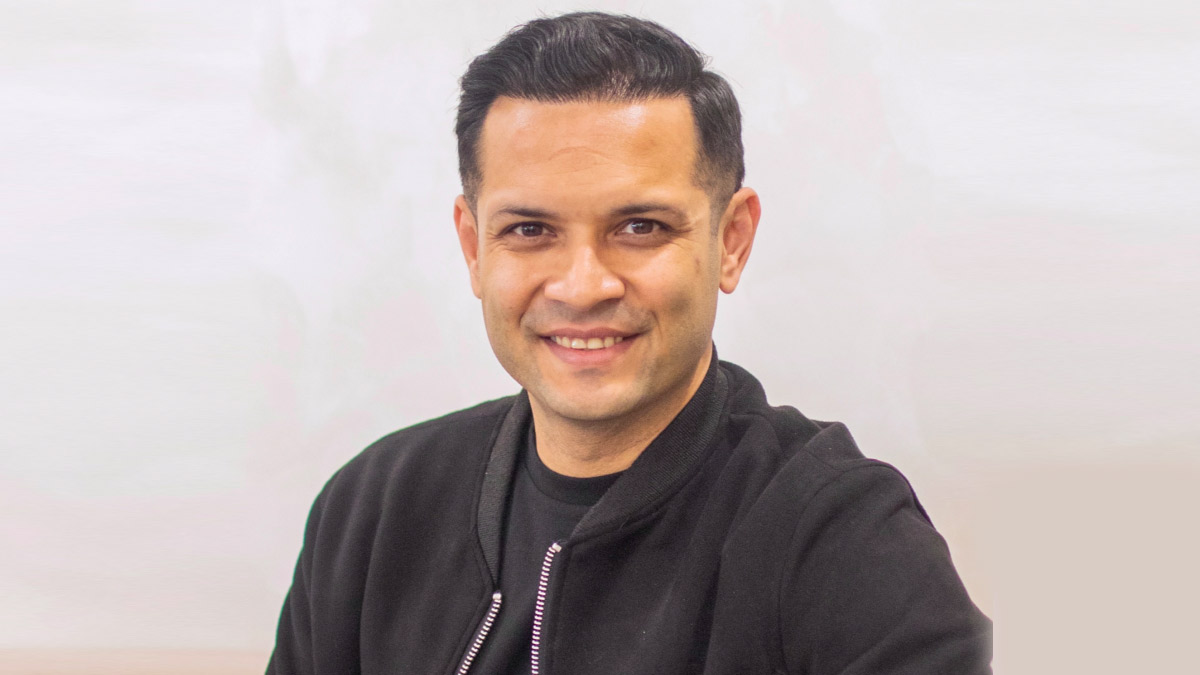
MUMBAI: Rohan Mehta is about to transform the way Omnicom Advertising works – because when you’ve already turned a three-person startup into a 600-strong powerhouse, scaling an entire creative network is the next logical campaign. Omnicom Advertising has appointed Rohan Mehta as chief transformation officer, effective January 2026. In this pivotal group-level role, he will shape the capability architecture for one of India’s most influential creative collectives, integrating the strengths of Kinnect, BBDO, 22Feet Tribal, TBWA\Lintas, McCann, Ulka, and Mudra.
Mehta’s mandate is to convert individual agency excellence into a scalable, plug-and-play deployment model. This will make high-impact capabilities in Digital Media, Influencer Marketing, CRM, and emerging technologies easily accessible across the entire Omnicom network in India.
With a distinguished 17-year career in the digital and technology sectors, Mehta brings deep expertise to the role. He joins after a highly successful tenure as Founder and CEO of Kinnect (later FCB Kinnect), where he grew a bootstrapped three-person startup into a 600-strong, multi-award-winning agency. Earlier in his career, he honed his foundational skills in global IT infrastructure and service delivery at Allied Digital.
Mehta seamlessly blends technical rigour with creative innovation, making him ideally suited to lead Omnicom Advertising’s strategic transformation.
From building a digital agency from scratch to now unifying some of India’s biggest creative powerhouses, Rohan Mehta’s journey has been anything but ordinary. As he steps into this new role, he carries the rare ability to turn complex capabilities into simple, powerful solutions – exactly what a transforming advertising group needs in today’s fast-evolving market.
In an industry where change is the only constant, Omnicom has clearly decided it’s time to bring in a leader who doesn’t just adapt to transformation – he architects it.






