MAM
Sony back at no five; Star continues to lead the pack

MUMBAI: The war for ‘the best among the rest’ continues even as the top three positions see no change in week 35 of TAM TV ratings. In week 35 of TAM TV ratings, most of the GECs saw a good amount of growth in its viewership.
Sab, a sister channel of Sony Entertainment Television maintains its stability on the number four spot with 319,158 GVTs (295,176). On the other hand, Sony which was at the sixth position last week props up to fifth position this week with no major difference in the ratings: recording 291,074 GVTs (292,684). Life OK is at sixth position this week with 269,927 GVTs (293188).
 |
|---|
Star Plus continues to lead the pack when it witnessed a rise and reported 495,509 GVTs (470,197). Colors also saw growth in its ratings when it generated 452,921 GVTs (435,673). Zee TV holds the number three slot notching up 395,024 GVTs (377,685). Sahara One continues to be at the bottom scoring 29,645 GVTs (30,527).
Let us take a look at the leader, Star Plus channel’s popular show Diya aur Baati Hum saw a huge rise in its ratings and rated 10,175 TVTs (9,483). Another prime time show, Yeh Rishta Kya Kehlata Hai saw a slight fall taking its score to 7,024 TVTs (7,124). Pyar Ka Dard Hai reported 6,515 TVTs (6,482) and Saathiya registered 6,127 TVTs (5,374). Reality show Junior Master Chef witnessed a drop and rated 2,671 TVTs (2,804).
Zee TV‘s reality dance show DID Super Moms witnessed a huge drop in its viewership and rated 4,653 TVTs (5,664) on Saturday and 4,490 TVTs (5,635) on a Sunday. Its fictional offering Qubool Hai scored 6,492 TVTs (6,618). Pavitra Rishta generated 5,078 TVTs (4,990). It’s long running series Sapne Suhane Ladakpan Ke scored 4,785 TVTs (4,361). The channel’s historical show Jodha Akbar seems to attract audiences by its interesting track taking its tally to 4,785 TVTs (4,361).
Colors‘ popular celebrity dance reality show Jhalak Dikhhla Jaa is on the losing side this week when it generated 5,979 TVTs (6,869) on Saturday and increased marginally reporting 5,730 TVTs (5,540) on Sunday. Long running fiction series Balika Vadhu registered 6,127 TVTs (6,294), Madhubala – Ek Ishq Ek Junoon rated 5,329 TVTs (4,646) and Uttaran scored 5,069 TVTs (4,736). The comedy show Comedy Nights with Kapil seems to enjoy good viewerhip when it generated 7,072 TVTs (6,988).

 |
|---|
Fourth placed, Sab‘s fiction show Taarak Mehta Ka Ooltah Chashmah continues to be the channel leader with 7,094 TVTs (7,048). Chidiya Ghar lost its audiences when it scored 2,777 TVTs (3,069). Lapataganj reported 2,093 TVTs (2,318). Other fictional shows witnessed marginal rise and fall as well.
Fifth placed, Sony’s long running crime series CID scored 4,758 TVTs (5,061) and Crime Petrol saw a healthy rise when it rated 4,783 TVTs (3,500). On the other hand, Comedy Circus ke Ajoobe Mahabali maintained its stability and reported 3,070 TVTs (3,071). The channel‘s historical show Maharana Pratap generated 2,993 TVTs (3,068). Other fiction shows either held on to their viewership or dipped marginally during the week. Sony‘s Indian Idol Junior had a good viewership on Saturday and reported 4,751 TVTs (4,064) but lost its viewership when it rated 4,348 TVTs (4,617) on Sunday.
Sixth placed, Life OK’s top series Mahadev rated 2,995 TVTs (3,020). Do Dil Ek Jaan stood at 1,721 TVTs (1,554), Savdhan India rated 2,271 TVTs (2,526), whereas Shapath generated 2,455 TVTs (3,330) and the new entrant Gustakh Dil rated 1,372 TVTs (1,238).
In the movie channel‘s genre: Zee Cinema reported 246,750 GVTs (248,031); Star Gold witnessed a fall with 194,992 GVTs (207,543) and Movies OK rated 118,643 GVTs (131,215). On the other hand, Max witnessed a rise with 223,692 GVTs (218,449).
Well, it seems the GECs are having a good roller coaster ride. Let’s see what is instore for the GECs in the coming weeks.





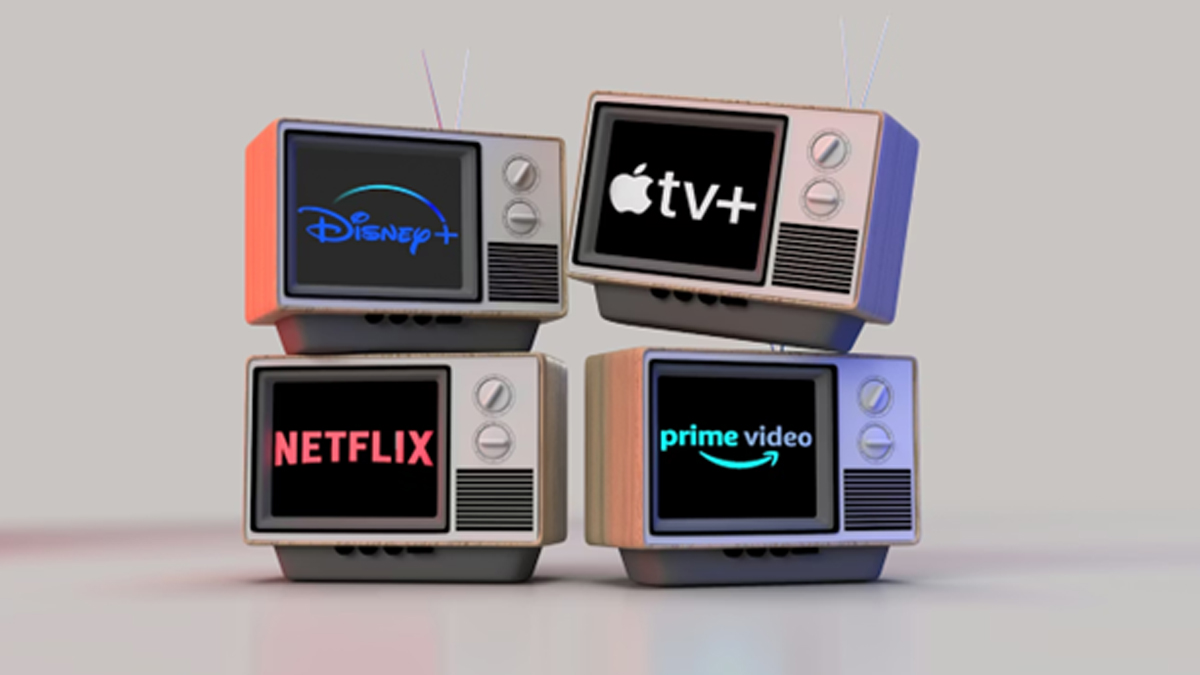
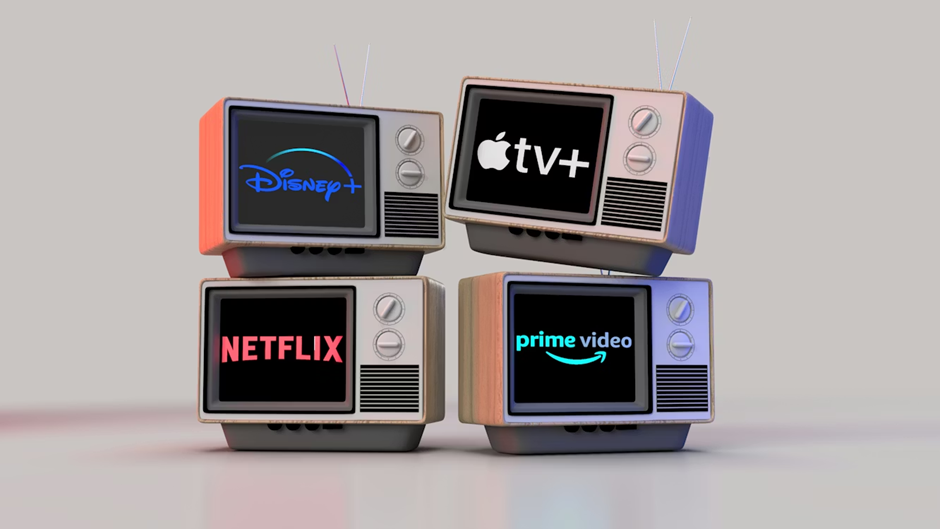
The biggest conversations in entertainment usually revolve around scale. Bigger launches, bigger stars, bigger production budgets, bigger platform strategies. Yet one of the clearest signs of market maturity shows up somewhere much smaller. It’s in the words they use every day: title cards, app menus, summaries, promotional descriptions, and push notifications. If all content sounds the same, the line blurs before they even click play.
It’s becoming more apparent as global platforms compete against regional ones in a world that’s increasingly multilingual and mobile-first. A team can spend hours crafting a content slate, but then rush to get the announcing copy out to the world. In a frenzied world like that, a grammar checker can be a lifeline in weeding out bad writing, awkward structure, and unwanted mistakes in content that’s going to be displayed on platforms, banners, and notifications.
The era of generic entertainment language
A strange sameness has crept into digital entertainment. Too many shows are described with the same flat phrases. Too many thrillers are called gripping. Too many dramas are labeled emotional. Too many reality formats are described as exciting journeys. The words may be completely right, yet they don’t stick in the reader’s mind.
It’s crucial to keep in mind that individuals take in material at an unprecedented rate. They are not meeting content through a critic’s essay or a full trailer every time. Often they meet it through a few words on a screen. Those words are doing more work than many teams admit.
Words have become a part of the user experience in a cluttered streaming world. They set the mood, build anticipation, help people make choices, and show them if something fits with their way of thinking, their style, or their daily life. If the writing isn’t very good, the platform itself can start to feel like it’s not very good.
That is a bigger issue than simple copy fatigue. If every title is presented in the same voice, brands begin to blur together. The audience may still watch, but the platform stops building a distinct editorial identity.
Why platform voice now matters more than ever
Entertainment companies used to rely heavily on channel identity, release schedules, or star power to define themselves. Those signals still matter, though the digital environment has changed how users experience them. A streaming app is a living product. People move through it quickly, often alone, often late at night, often half-distracted. They encounter dozens of pieces of micro-copy in a single session.
That makes voice consistency more important than many product teams expect.
A platform that sounds sharp, clear, and culturally aware feels more premium. A platform that sounds overproduced, vague, or repetitive feels less alive. This is especially true in markets where viewers move easily between local television, global streaming, short video, sports, and social media. The standard for attention is high, and bland wording rarely survives first contact.
The strongest media brands tend to understand a subtle truth. Good copy is not only about selling a show. It is about shaping the personality of the service itself.
This happens through many small choices:
● how drama is framed versus comedy
● whether youth content sounds natural or forced
● whether mobile notifications feel urgent or annoying
● whether homepage descriptions carry rhythm or read like database entries
● whether language changes intelligently across regions and devices
These details may seem minor in isolation. Together, they define how a platform feels.
The cost of speed in modern content operations
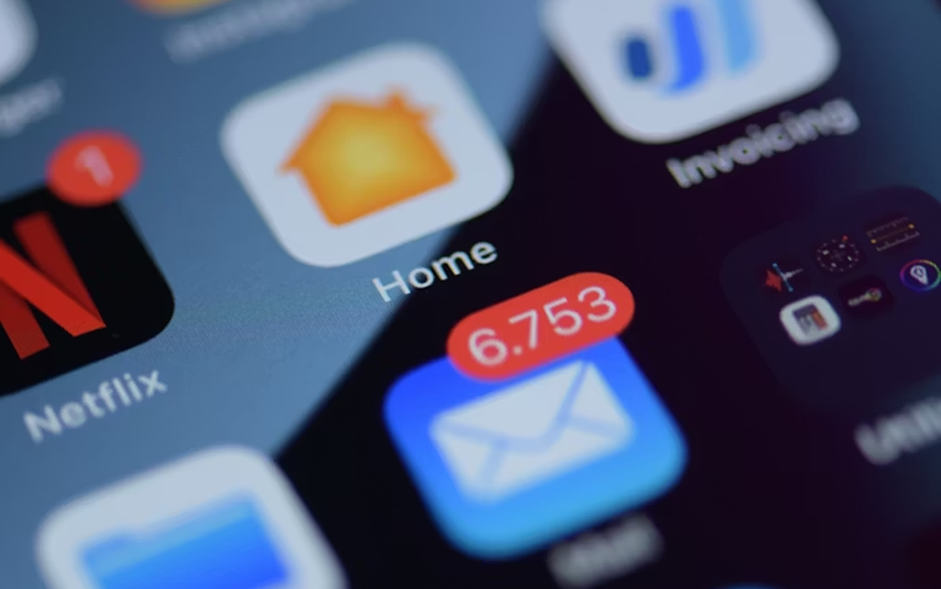
One reason entertainment language becomes repetitive is simple pressure. Media teams are under constant demand to move faster. There’s more content to create, more spaces to fill, more regions to cater to, and more forms to accommodate. What once might have been a single piece of copy can become a complex network of related content within app stores, smart TV interfaces, social media, push notifications, email marketing, and ad-supported spaces.
Under that pressure, safe language becomes tempting.
Safe language is quick. It passes review. It offends no one. It can be reused across genres with minor edits. The problem is that safe language is often forgettable. It tells viewers what category a title belongs to, yet does little to communicate why anyone should care.
This is where media teams face a real strategic choice. They can keep treating copy as a production step, or they can see it as part of audience experience design.
That second view changes the workflow. It encourages stronger editorial direction, clearer brand vocabulary, and tighter review processes. It also creates room for experimentation. A show summary does not need to sound like a press release. A release alert does not need to sound like a machine-generated reminder. There is space for specificity, texture, and voice, even within short-form platform language.
Multilingual markets reveal the problem faster
This is especially the case in a market where there are a variety of languages and a complex identity for the audiences. A text that reads well in one language can sound clunky in another. A translation can preserve meaning while losing energy. A tagline built for desktop can fall apart on mobile. A youth-oriented campaign may become overly formal when localized too literally.
That is why the best media writing in multilingual environments depends on adaptation rather than simple conversion.
The goal is to preserve intent, tone, and audience fit across versions. That takes editorial judgment. It requires people who understand how entertainment language behaves in real life, not only in style guides.
Some of the most common problems appear in places audiences notice immediately:
● subtitles that are grammatically fine but emotionally flat
● app descriptions that sound translated rather than written
● genre labels that fail to reflect local viewing habits
● promotions that use the same vocabulary across very different titles
When these weaknesses accumulate, viewers may not consciously analyze them. They simply sense that the platform feels distant or mechanical.
The hidden power of better wording
There is a reason sharp writing continues to matter even in a highly visual medium. Before viewers commit time, language gives them a frame. It tells them what kind of experience awaits. It reduces uncertainty. It can even create an appetite.
This is valuable, and it is valuable in a somewhat nebulous way. Well-crafted text can increase click-through rates, reduce bounce rates, increase trust, and facilitate the spread of content across discovery surfaces. It can also be useful for the spread of advertisements by making the overall platform feel more refined.
But the real value is in the culture. Entertainment organizations want to be modern. They want to know how people feel. They want to be able to state that they live in the same place. That is very hard to achieve through templates alone.
The platforms most likely to stand out over time may be the ones that invest more seriously in their editorial layer. They will care about sentence flow in metadata, tone in alerts, nuance in translation, and clarity in every line that appears before the content starts. They will treat words as part of content packaging, product design, and brand building all at once.
In a business obsessed with scale, this may seem like a small idea. It is not. When streaming platforms start sounding the same, language becomes one of the few tools left to restore distinction. A sharper voice can make a familiar interface feel more thoughtful. A better sentence can rescue a title from invisibility. A more human line can remind the audience that somebody on the other side still understands how people actually choose what to watch.








