MAM
Somil Nijhawan takes charge as CEO of Kun Group


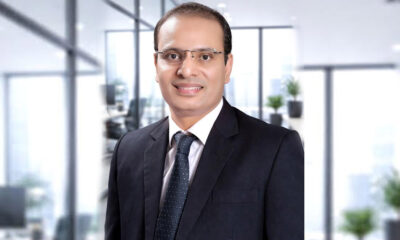
TELANGANA: Kun Group has brought in seasoned automotive leader Somil Nijhawan as its new chief executive officer, marking a major leadership shift for the dealer network across Telangana and Andhra Pradesh. Nijhawan steps into the role after an accomplished stint steering premium automotive brands to sustained growth and performance.
His move follows more than six and a half years as group president and CEO at Kristan Auto, where he oversaw Audi Gurugram and BYD operations. His tenure was marked by steady profitability, sharper customer focus and consistent KPI wins. He built a culture rooted in trust, transparency, ownership and integrity, while strengthening ties with manufacturers and ensuring immaculate compliance with brand standards.
Under his watch, Audi India repeatedly recognised Kristan Auto with a string of honours including Dealer of the Year, Best Audi Partner, CEO of the Year and top awards across sales and aftersales. BYD India acknowledged the group with accolades such as Excellent Partner, Outstanding Aftersales Service and Sales Champion.

Before Kristan Auto, Nijhawan held key leadership roles at BMW India for almost nine years. He turned around Bird Automotive’s performance as managing director, lifting it from the lower end of dealer rankings to among the top performers. He drove profitability, delivered double digit growth and led the business to cross a turnover of more than Rs 500 crore. His rise through BMW India included impactful stints as regional head for North India, regional manager for West and Central India and area sales manager across multiple zones, consistently outperforming targets.
His earlier experience in auto finance with Kotak Mahindra Prime, ICICI Bank and Citi, combined with a marketing foundation at The Times of India, rounds out a career defined by strategic thinking, financial discipline and a firm grip on customer experience.
With this appointment, Kun Group positions itself for a new phase of expansion and performance. Nijhawan’s track record across luxury brands, his focus on developing people and his ability to revive and scale businesses signal a fresh chapter for the group as it aims to accelerate growth across the Telugu states.





Brands
Vodafone Idea elevates Vineeth Jayendranath as VP, marketing head Mumbai
Telecom marketer takes charge of Mumbai circle with growth and brand focus
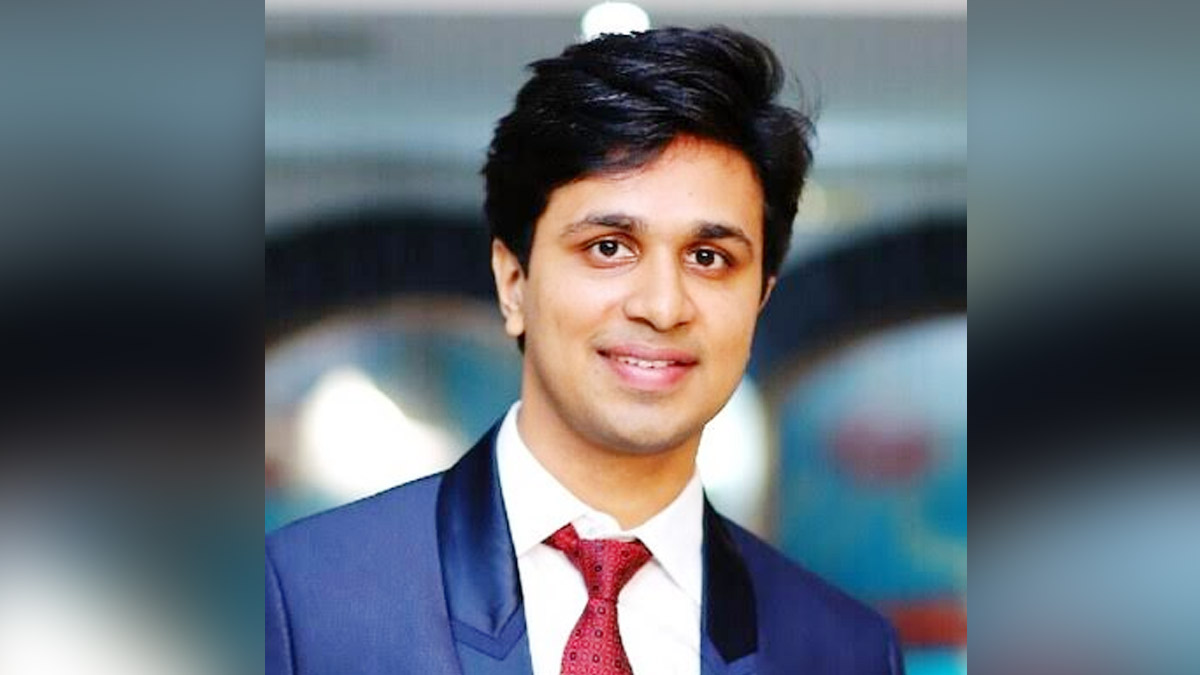
MUMBAI: Vodafone Idea Limited has promoted Vineeth Jayendranath to vice president, marketing head for the Mumbai circle, marking a key milestone in his career as the telecom operator sharpens its regional strategy.
In his new role, Jayendranath will lead marketing efforts across prepaid and postpaid segments in one of the country’s most competitive telecom markets. His mandate includes driving revenue growth, strengthening brand positioning, and deepening customer engagement, while also managing profit and loss responsibilities for the circle.
Sharing the update, Vineeth Jayendranath said, “Excited to share, I am starting my new stint as Vice President, Marketing Head for Mumbai circle at Vodafone Idea Ltd. Would like to thank everyone who has supported me in this journey.”
Jayendranath brings over 12 years of experience spanning telecom and IT, with a strong focus on customer value management and data-led marketing. Since joining Vodafone Idea, he has held multiple leadership roles, most recently serving as general manager leading customer value management and prepaid business across Gujarat, Maharashtra and Goa.
During this period, he handled large subscriber bases and multi-billion rupee revenue portfolios, while rolling out hyper-personalised campaigns and a “segment of one” strategy to improve customer retention and upgrades. He also championed a digital-first approach, pushing adoption of data services and unlimited plans through targeted, insight-driven initiatives.
Earlier, he worked with Idea Cellular Ltd in strategy and business intelligence roles, and began his career at Infosys as a systems engineer. A brief stint at Hyundai Motor India Ltd during his internship added early exposure to marketing strategy.
An alumnus of SVKM’s Narsee Monjee Institute of Management Studies, Jayendranath has steadily built a reputation for combining analytics with marketing execution.
His elevation comes as telecom players double down on circle-level strategies to stay competitive, and Vodafone Idea appears to be betting on data-backed marketing to keep Mumbai firmly in its corner.







