MAM
Some newspaper groups content with IRS 2013 findings


NEW DELHI/MUMBAI: The findings of the Indian Readership Survey 2013 may ultimately not be rejected outright. A substantial number of publishers of newspapers and magazines may not have found the readership findings worth rubbishing.
A group of 18 publication groups including The Times of India and The Hindu are very vocal in their complete rejection of IRS 2013 findings and have got to the extent of withdrawing from the IRS.

But the group’s attempts at having the IRS 2013 annulled could face resistance.
According to industry sources publication groups like The Hindustan Times, Rajasthan Patrika, Haribhoomi and Daily Thanthi have expressed satisfaction at the results of IRS 2013 and have accepted them.
These publication groups may decide not to follow an advisory issued by the Indian Newspaper Society on Tuesday for boycott of the IRS 2013 findings or not to use them for advertising sales.
The advisory was issued after the Media Research Users Council on Tuesday said it cannot decide on the ultimatum given by the INS for withdrawal of the IRS 2013 findings.
The advisory by INS suggested its members convey in writing to MRUC that they are withdrawing from any association with the IRS and urge MRUC, Readership Survey Council of India and Nielsen India, the conductors of the readership survey, to immediately cease and desist from using for the purpose of the survey the mastheads of their publications.
MRUC has said a meeting would be held with RSCI on 19 February to take a final view on INS demand.
MRUC has said all aspects of the study will be placed before the RSCI for helping the broader community of stakeholders convince themselves about the robustness and integrity of the IRS 2013 findings.
Meanwhile, INS expressed hope that the advisory issued by it would be acceptable to all its member publishers.
A senior INS office-bearer, who did not want to be named, denied that the INS advisory had been issued at the behest of the Times of India Group or was being followed only by that group.
INS sources told indiantelevision.com that the issue of whether the newspaper body or individual newspapers will take legal recourse against MRUC over the IRS 2013 findings was still not decided.
Responding to the INS advisory and notices in newspapers belonging to the group of 18 publishers, IRS Technical Committee chairman Paritosh Joshi said MRUC has already asked individual publishers to send in their complaints to MRUC directly and the council will individually respond to each of them. “So far, we have sent out six explanations and clarifications to the complaints sent to us by publishers individually. And will continue to welcome more (queries).”
The 18 publishing groups, in a joint statement, said, “The survey is riddled with shocking anomalies, which defy logic and commonsense. They also grossly contradict audited circulation figures (ABC) of longstanding.”
The 18 publishers are Jagran, Bhaskar, India Today, Ananda Bazar Patrika, Lokmat, Outlook, Daily News and Analysis (DNA), Sakshi, The Hindu, The Times of India, Amar Ujala, The Tribune, Bartaman Patrika, Aaj Samaj, The Statesman, Mid Day, Nai Duniya and Dinakaran.






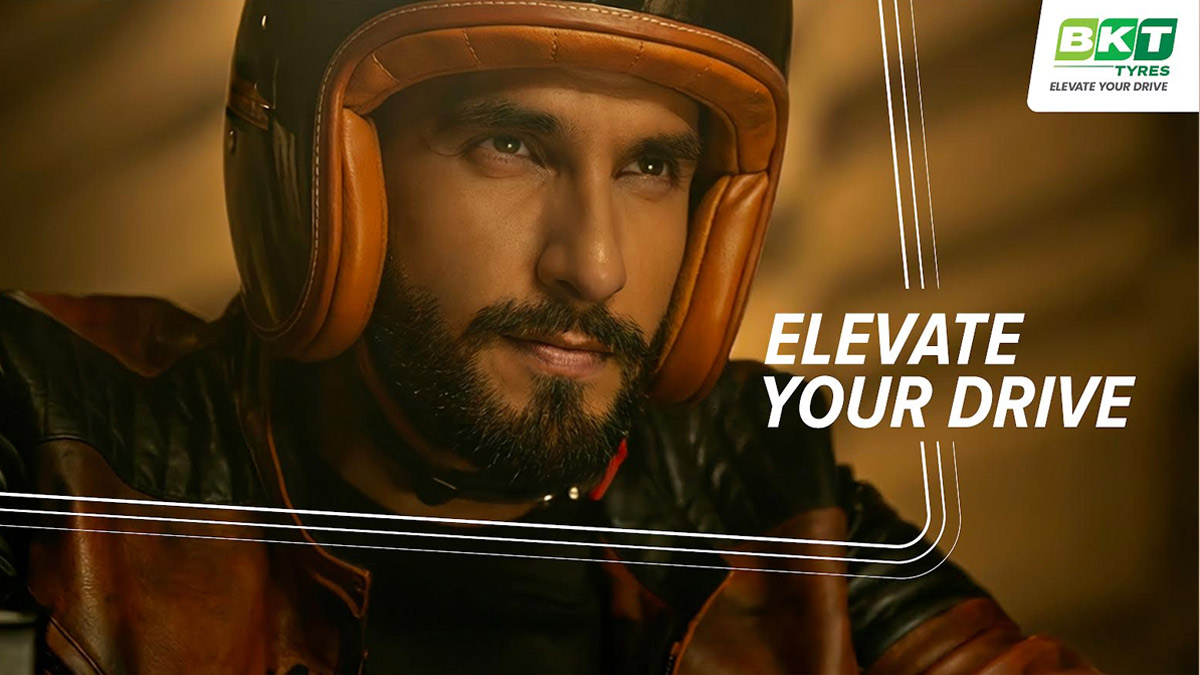
MUMBAI: BKT Tyres has decided to roll into the two-wheeler world with some serious jurrat and it’s brought Ranveer Singh along for the ride. The off-highway tyre specialist has unveiled its new campaign, ‘Jurrat’, marking a strategic push into India’s massive two-wheeler segment. The high-energy TV commercial, featuring brand ambassador Ranveer Singh, debuted on 3 April 2026 during the Indian Men’s T20 League 2026.
The campaign revolves around the core belief that true confidence on the road comes from dependable performance beneath you. ‘Jurrat’ (meaning courage) captures the mindset of riders who navigate dynamic and often unpredictable daily commutes with determination. It brings BKT Tyres’ brand philosophy ‘Elevate Your Drive’ into the two-wheeler space by spotlighting three key product benefits: long life, exceptional road grip, and unmatched comfort.
BKT Tyres chief marketing officer for India Mahesh Koppad said, “India’s two-wheeler segment reflects the way the country moves, works, and progresses every day. ‘Jurrat’ highlights how performance-led tyres, engineered for long life, comfort, and grip, enhance the overall riding experience and support uninterrupted progress in everyday life.”
The campaign is being rolled out across television and digital platforms with high-impact placements to ensure maximum reach and engagement.
This launch represents BKT Tyres’ calibrated expansion from its stronghold in off-highway tyres to becoming a more holistic mobility brand, addressing the everyday transportation needs of millions of Indian riders who rely on motorcycles and scooters as their primary mode of transport.
In a segment where confidence is everything, BKT Tyres is betting that a combination of bold celebrity appeal and strong product performance will help it gain serious traction on Indian roads. The campaign signals that the company is ready to move beyond its traditional turf and accelerate in the fast-paced two-wheeler market.






