Brands
Shashwat Sharma to assume role of managing director and CEO at Airtel

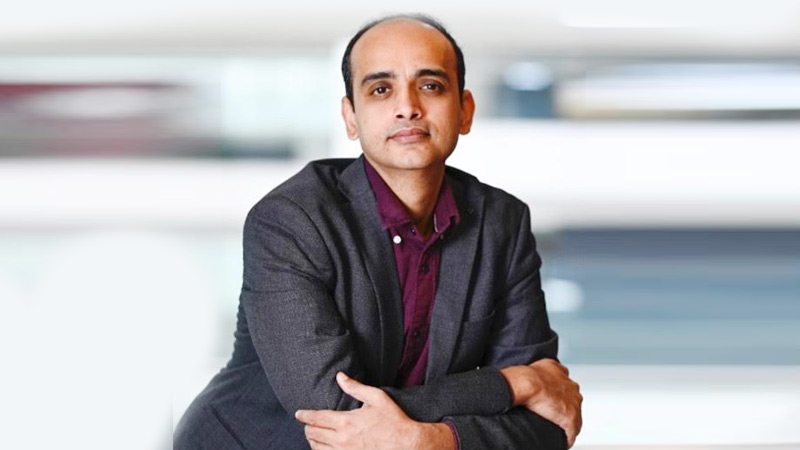
GURGAON: Shashwat Sharma will take over as managing director and chief executive officer of Airtel India from January 1, 2026, closing a year-long succession process designed to ensure continuity at one of India’s largest telecom operators. Having served as ceo-designate over the past year, Sharma has worked closely with the senior leadership team to prepare for the transition.
In his new role, Sharma will lead Airtel India’s operations and drive its next phase of growth in a fiercely competitive telecom market, where scale, customer experience and capital discipline increasingly determine winners.
Sharma brings nearly two decades of leadership experience across telecom, consumer brands and large-scale business operations. Over the past seven years at Bharti Airtel, he has held a series of senior positions, including chief operating officer, director for consumer business and ceo of the DTH unit, and chief marketing and brand officer. Across these roles, he played a central part in pushing customer-led growth, sharpening the brand and scaling operations.

Before joining Airtel, Sharma spent more than 13 years at Hindustan Unilever, where he held leadership roles across sales, regional and global brand management and category leadership. His tenure included leading the oral care and ayush businesses, giving him deep exposure to mass and premium consumer segments alike.
The appointment reflects Airtel’s preference for continuity over disruption. By grooming a ceo internally, the company has signalled confidence in its existing strategy while betting on a leader with a strong blend of operational rigour and consumer insight.
As India’s telecom market enters its next chapter, marked by consolidation, data-led services and rising customer expectations, Airtel is placing its future in familiar hands.





Brands
ITC Sunfeast Farmlite launches Sugar Free Cookies range
New variants offer guilt-free indulgence for health-conscious snackers.

MUMBAI: ITC Sunfeast Farmlite is sweetening the deal for biscuit lovers who want to have their cookie and eat it too without the sugar. The better-for-you biscuits range from ITC Foods has expanded its portfolio with the launch of an all-new Sugar Free Cookies line, aligning with the company’s vision of ‘Help India Eat Better’. The range is designed for consumers who are rethinking sugar in their daily snacking but refuse to compromise on taste and indulgence.
The collection debuts with two tempting variants: Choco Nut Cookies and Hazelnut & Oats Cookies. Both are a source of protein and contain no trans-fat, while the Hazelnut & Oats variant is also lactose-free.
ITC Ltd. vice president (marketing), biscuits, foods division, Suraj Kathuria said, “At Sunfeast Farmlite, we believe mindful snacking should never come at the cost of indulgence. With this launch, we are catering to the growing need for guilt-free snacking while delivering a rich, satisfying cookie experience.”
ITC Ltd. vice president & head of food sciences for foods division Dr Shantanu Das added, “We have applied robust food science to develop cookies that are sugar-free while preserving the taste and texture consumers love.”
Each cookie comes in convenient single-serve packs to maintain texture and freshness. Both variants are available in 100g packs priced at ₹100 and can be found on quick-commerce platforms including Blinkit, Swiggy Instamart, and Zepto.
In a market increasingly leaning towards healthier choices, ITC Sunfeast Farmlite’s new Sugar Free Cookies prove that cutting sugar doesn’t mean cutting joy. For the health-conscious yet indulgent snacker, this could be the perfect bite-sized solution.






