MAM
SC Panel announces guidelines for govt ads

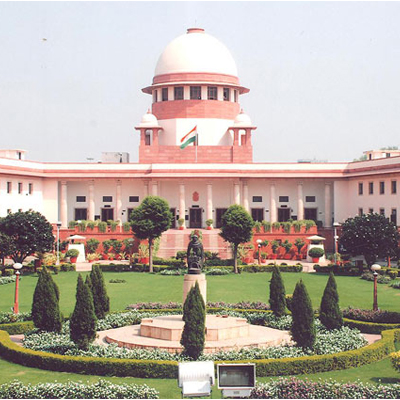
NEW DELHI: A Supreme Court-appointed high- powered committee recently announced guidelines on government advertisements in order to prevent misuse of public funds for furthering political motives.
The guidelines recommend that names and pictures of political parties and their office bearers should be not mentioned in government advertisements.

The report, submitted to the apex court, also emphasises that only pictures and names of the President, the Prime Minister, Governor and Chief Ministers be published to ‘keep politics away from such ads’.
The guidelines have been framed by a three-member committee headed by eminent academician Professor NR Madhava Menon to regulate expenditure and contents of such advertisements paid out of tax payers’ money. The committee also comprises of former secretary general of Lok Sabha TK Viswanathan and solicitor general Ranjit Kumar. The apex court had decided to frame these guidelines on 23 April to prevent the misuse of public money.
The apex court bench headed by chief justice P Sathasivam with justice Ranjan Gogoi and N V Ramana had said that the existing guidelines of the Directorate of Advertising and Visual Publicity (DAVP) do not cover such advertisements. There was therefore a need for substantive guidelines to be issued by the Court until the legislature enacts a law in this regard.
The report also added that the committee has included suggestions of the Election Commission about severe restrictions on such advertisements six months prior to elections.
It further endorsed that a deadline should be fixed for prohibiting their publication and the poll panel should be authorised for the purpose.
The report recommended that the central and state governments must decide in advance on a list of personalities whose birth or death anniversaries will be marked with ads.
The government must then specify which Ministry should release the ad to avoid different departments and state-run companies from paying tribute to the same leader with a multitude of ads. “There should be a single advertisement only,” the Committee said.
The Bench had also noted that the Directorate of Advertisement and Visual Publicity (DAVP) guidelines do not lay down any criteria for the advertisements to qualify for public purpose as opposed to partisan ends and political mileage, adding that there is a need to distinguish between the advertisements that are part of government messaging and daily business and advertisements that are politically motivated.
The Government in its counter affidavit claimed that 60 per cent of the advertisements released by the DAVP on behalf of various ministries/departments/public sector undertakings of the Central Government relate to classified or display/classified category such as UPSC/SSC or recruitment, tender and public notices, etc. The respondents asserted that government advertisements sometime carry messages from national leaders, ministers and dignitaries accompanied with their photographs.
However, Government counsel K Radhakrishnan said the purpose of such advertisements is not to give personal publicity to the leaders or to the political parties they belong to rather the objective is to let the people know and have authentic information about the progress of the programmes/performance of the government they elected and form informed opinions, which is one of the fundamental rights of the citizens in our democracy as enshrined in the constitution.





MAM
Beacon Group appoints Dr Rajesh Patel as Group CEO
36-year healthcare veteran to lead Beacon Diagnostics, Vector Biotek, Biogeny.
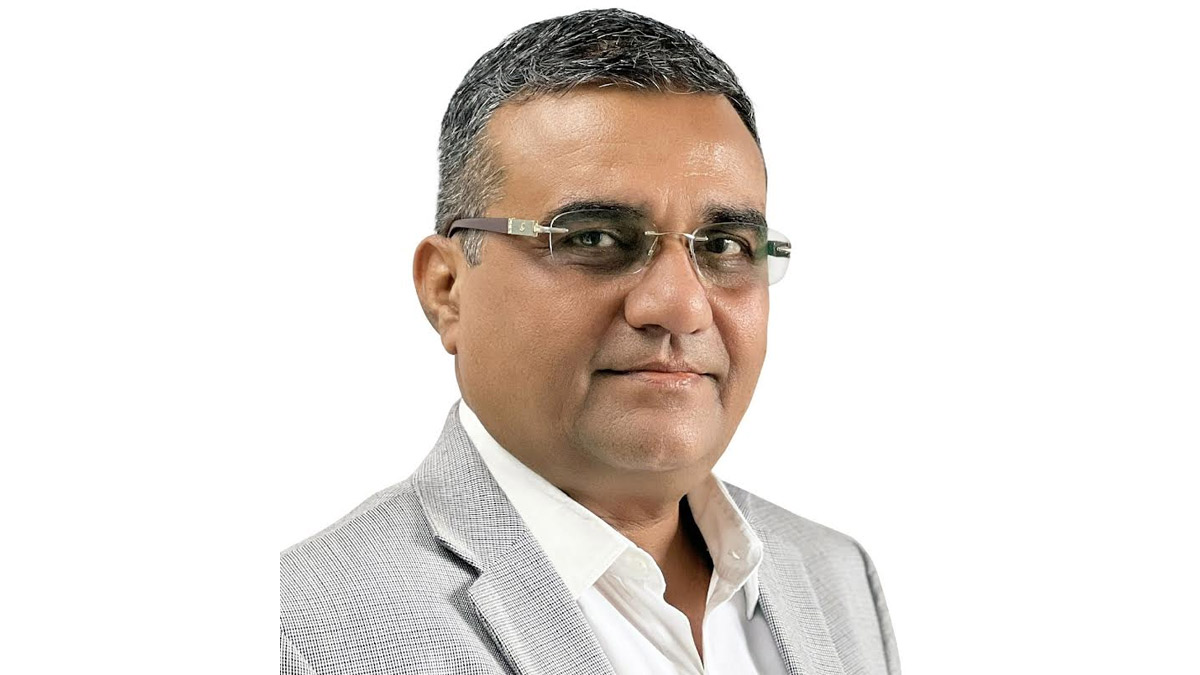
MUMBAI: A new chief, a fresh diagnosis and a sharper prescription for growth. Beacon Group has appointed Dr Rajesh Patel as its Group Chief Executive Officer, effective April 1, 2026, signalling a decisive push to scale its presence in the diagnostics and IVD space. Patel steps into the role with 36 years of experience across the healthcare and diagnostics industry, bringing a career shaped by leadership roles spanning sales, marketing, business development and operational strategy. His mandate is both expansive and precise: to steer the group’s overall strategic direction while tightening coordination across its three core entities Beacon Diagnostics, Vector Biotek and Biogeny Diagnostics.
In practical terms, that means driving cross-company synergies, accelerating market expansion and strengthening organisational capability areas increasingly critical as diagnostic players compete for scale in a fragmented yet rapidly evolving healthcare ecosystem. The group is positioning itself to capture unmet demand across chain laboratories, key accounts and standalone labs, segments that remain underserved despite growing diagnostic needs.
The appointment comes at a time when the In Vitro Diagnostics (IVD) sector in India is entering a more competitive and innovation-led phase, with companies focusing not just on product pipelines but also on service delivery, integration and customer-centric models. Beacon’s leadership appears to be betting that Patel’s execution-focused approach can help translate ambition into operational momentum.
Welcoming the appointment, Chairman Dr D K Joshi described Patel’s induction as a strategic move aligned with the group’s long-term vision, emphasising the role of leadership depth in navigating the next phase of growth.
For Beacon Group, the message is clear, in a sector where precision matters, leadership is the new differentiator—and this appointment is intended to set the tone for what comes next.






