MAM
Rohit Ohri to join FCB Ulka as group chairman & CEO

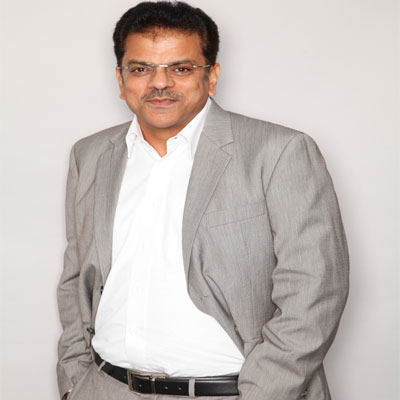
MUMBAI: Former Dentsu Asia Pacific CEO Rohit Ohri, who recently stepped down from his post, is all set to join FCB Ulka India as group chairman and CEO, effective January 2016.
Ohri will be the successor to current CEO and group chairman Nagesh Alai who, after 25 years with FCB, is moving into a global role.

Alai will assume the role of global vice-chairman at FCB, working on special initiatives for FCB worldwide CEO Carter Murray. With FCB’s newly restructured global company, Ohri will serve as a member of the global operating committee and report directly to Murray in New York. He will be one of the CEOs helping to guide the global company.
“I want to thank Nagesh for dedicating his career to our FCB operations in India and for helping FCB Ulka become one of the strongest agencies in the country. I look forward to working with him on special global initiatives,” said Murray.
“When Nagesh and the Board introduced me to Rohit as someone they felt fitted the culture of the company, I was struck by his passion for what we do, his focus on great work and strong client relationships, and his natural gravitas. If you add his track record in the industry, Rohit is someone whom I think will lead FCB Ulka forward with vision and energy, and keep the flame strong,” he added.
“FCB has gone back to its roots and is reigniting its brand essence under Carter’s leadership. The opportunity to partner with him, in what could be the most defining time in the history of FCB convinced me to quit my regional assignment and come back to India,” said Ohri.
“FCB Ulka has a rich legacy of creating solid brand-building work. It’s a company that values partnerships, people and culture. The opportunity to build on this legacy and to take a great agency to greater heights is truly exciting. I’m delighted to be at the right place at the right time and with the right people,” he added.
Ohri will be supported by FCB Ulka’s management board, which includes Lodestar Media executive director and Mediabrands CEO Shashi Sinha, Interface Communications and Asterii Analytics executive director Niteen Bhagwat, FCB Ulka Mumbai and Bengaluru, FCBi and Cogito executive director MG Parameswaran and FCB Ulka Delhi executive director Arvind Wable.






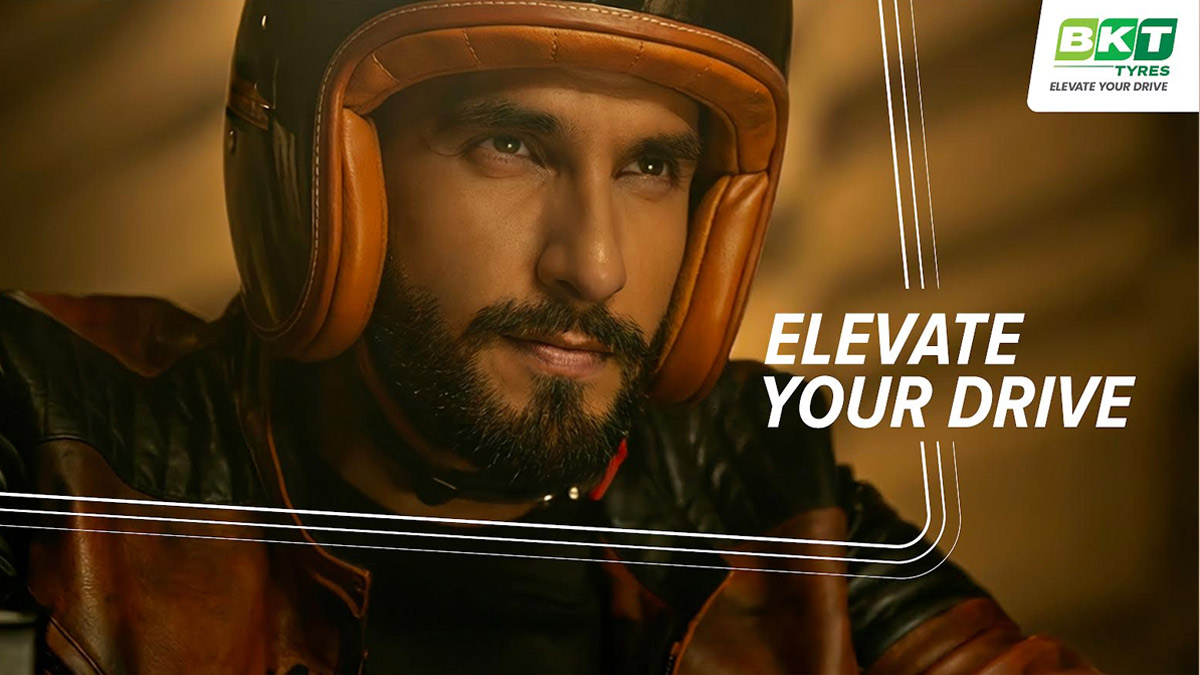
MUMBAI: BKT Tyres has decided to roll into the two-wheeler world with some serious jurrat and it’s brought Ranveer Singh along for the ride. The off-highway tyre specialist has unveiled its new campaign, ‘Jurrat’, marking a strategic push into India’s massive two-wheeler segment. The high-energy TV commercial, featuring brand ambassador Ranveer Singh, debuted on 3 April 2026 during the Indian Men’s T20 League 2026.
The campaign revolves around the core belief that true confidence on the road comes from dependable performance beneath you. ‘Jurrat’ (meaning courage) captures the mindset of riders who navigate dynamic and often unpredictable daily commutes with determination. It brings BKT Tyres’ brand philosophy ‘Elevate Your Drive’ into the two-wheeler space by spotlighting three key product benefits: long life, exceptional road grip, and unmatched comfort.
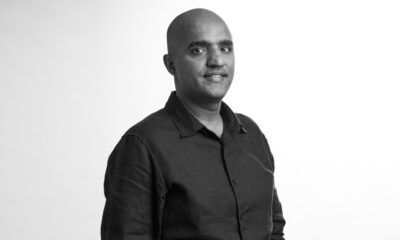
BKT Tyres chief marketing officer for India Mahesh Koppad said, “India’s two-wheeler segment reflects the way the country moves, works, and progresses every day. ‘Jurrat’ highlights how performance-led tyres, engineered for long life, comfort, and grip, enhance the overall riding experience and support uninterrupted progress in everyday life.”
The campaign is being rolled out across television and digital platforms with high-impact placements to ensure maximum reach and engagement.
This launch represents BKT Tyres’ calibrated expansion from its stronghold in off-highway tyres to becoming a more holistic mobility brand, addressing the everyday transportation needs of millions of Indian riders who rely on motorcycles and scooters as their primary mode of transport.
In a segment where confidence is everything, BKT Tyres is betting that a combination of bold celebrity appeal and strong product performance will help it gain serious traction on Indian roads. The campaign signals that the company is ready to move beyond its traditional turf and accelerate in the fast-paced two-wheeler market.






