MAM
Ripe opportunity to utilize lockdown for adapting to changing realities

Collectively, we are facing possibly the biggest crisis and turning point in history. This is going to significantly impact the landscape of business, and most importantly the business of communication. Right now, being extra sensitive and showing empathy seems to be key in winning the game of communication. It’s not about individual perceptions anymore; the world is leaning towards a dominant emotion, and everyone is taking it upon themselves to be the harbinger of awareness and sensitivity.
Moreover, uncertainty has become the norm of the times. The Covid2019 pandemic has turned many businesses upside down, and people are struggling to stay afloat. This is as true for marketing and PR agencies, as for any other company facing lost revenue in terms of clients, mounting debts owing to stuck payments, halt of potential business opportunities and much more.
However, despite all of this, I believe that we will emerge out of this stronger and wiser. It’s true that many sectors are facing quite volatile times, but there are also many businesses that have managed to sail through these testing times by virtue of their product offerings.

Moreover, at a time when most PR and marketing professionals have been forced to work from home, there is a huge ripe opportunity waiting for us to utilize this time to adapt to changing realities and prepare for a world post-Corona. How about we double down on our efforts and approach it with an innovative bent of mind. How many times have you wanted to test the effects of digital PR on your business, but couldn’t find enough time to try it out? How much effort have you previously put in training your staff to be more digitally-adaptable? The time is now.
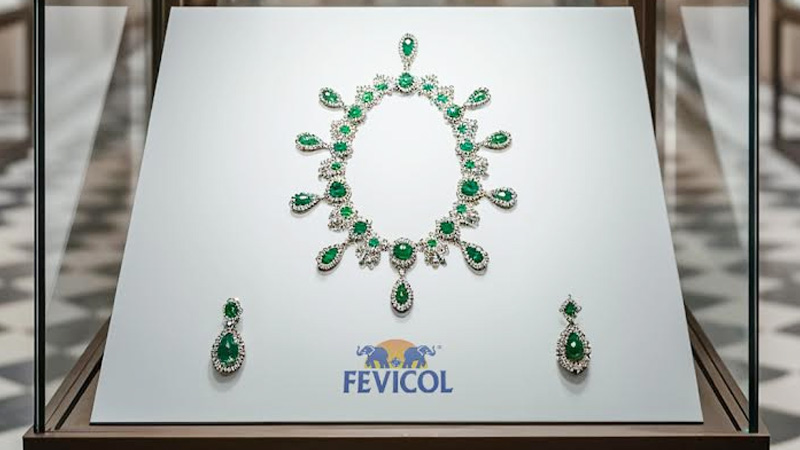
Even big brands are leveraging this time to become the epitome of corporate social responsibility. For instance, legacy adhesive brand Fevicol effectively created a conversation around social distancing as a precautionary measure during the outbreak in order to strengthen bonds in the times to come. From Amul to Bigbasket, all brands, big or small, are leaving no stone unturned to cash in on this great marketing opportunity, while also spreading awareness.
The government has not been far behind either. Leaders are coming together to show they care about the welfare of their citizens. All governments are on a war footing, constantly updating their social media handles, informing people of the pandemic, and assisting them in every possible way.
At a personal level, as the owner of a PR and communications firm, our processes have been streamlined to get the maximum in terms of productivity. Since all of us have been working from home for weeks now, it has given us the opportunity to assess and reassess our priorities and how we work. Right from quick Google calls in the mornings to jot down tasks, to allocating every resource across business functions, including business development, we are ready to fight this out. Instead of putting a halt on our digital efforts, we are continuing to go full throttle. Instead of de-boarding our current clients, we are working with them at reduced budgets, but are also simultaneously chalking out innovative strategies to get better ROI during these times. We believe that during a downturn like this, there is always less competition, which means it is easier and faster to get results if you remain in the game. We are trying our best to maintain the maximum mindshare so that we are in better shape to fight anything once we are past this crisis.
The economy will slowly get back on its feet. We have hope too. We just need to keep working hard towards our goals.
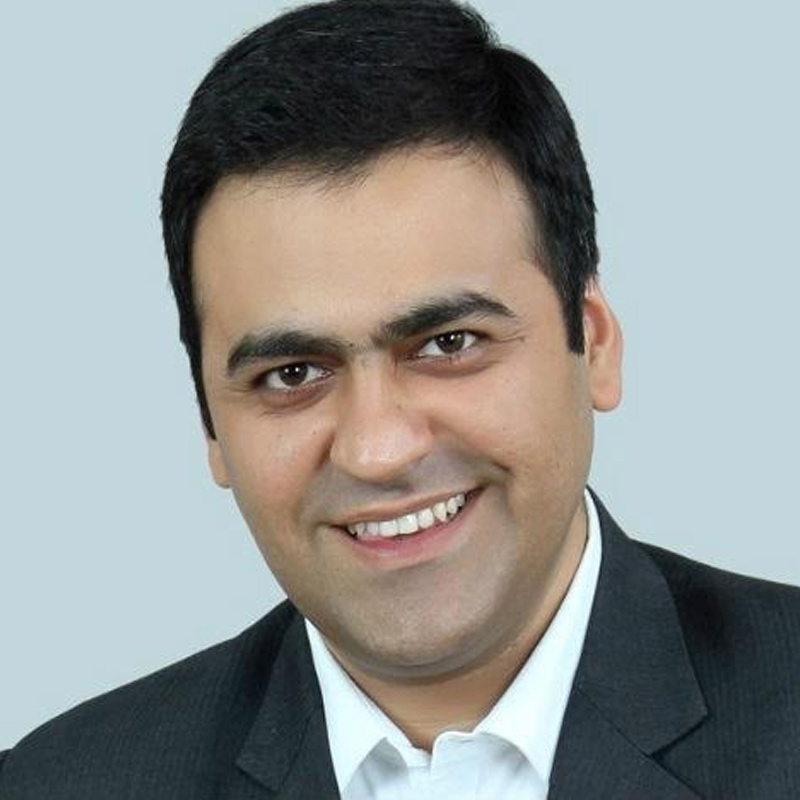
The author is CEO and founder of The Pivotals


MAM
Ameya Velankar steps down as Uber’s head of marketing for India & South Asia
Veteran marketer exits after more than seven years with the ride-hailing giant.
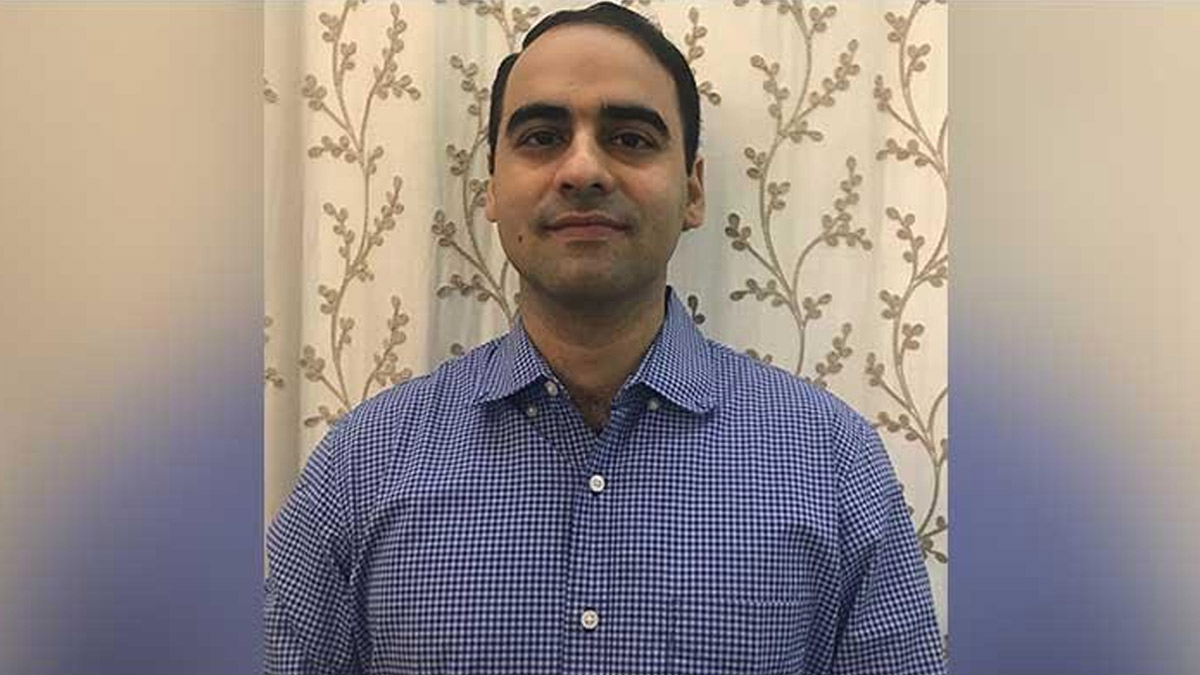
MUMBAI: After more than seven years of steering Uber through the bumpy roads of India’s mobility market, Ameya Velankar has decided to change lanes. Ameya Velankar has stepped down as Head of Marketing for India and South Asia, marking the end of a significant chapter at the ride-hailing company. He had been with Uber since 2019, taking on multiple roles in product and category marketing before rising to lead the marketing function for the region in 2021.
During his tenure, Velankar played a key role in strengthening Uber’s positioning in one of its most competitive and dynamic markets. He helped drive localised marketing strategies and scale adoption across key offerings such as Auto, Moto, Rentals and Intercity, tailoring global platforms to Indian consumer needs.
Prior to joining Uber, Velankar built his marketing expertise at leading consumer companies including SC Johnson and Marico, where he handled category and product leadership roles. His career began at RPG Enterprises.
Details of his next professional move have not been disclosed.
In a fast-evolving mobility landscape where brands constantly battle for attention, Ameya Velankar helped Uber stay relevant and resonant with millions of Indian users. As he moves on from the driver’s seat of marketing, the company will now look for fresh ideas to keep its wheels turning smoothly.






