MAM
Re Sustainability’s green Ganesha pioneering eco-friendly celebrations

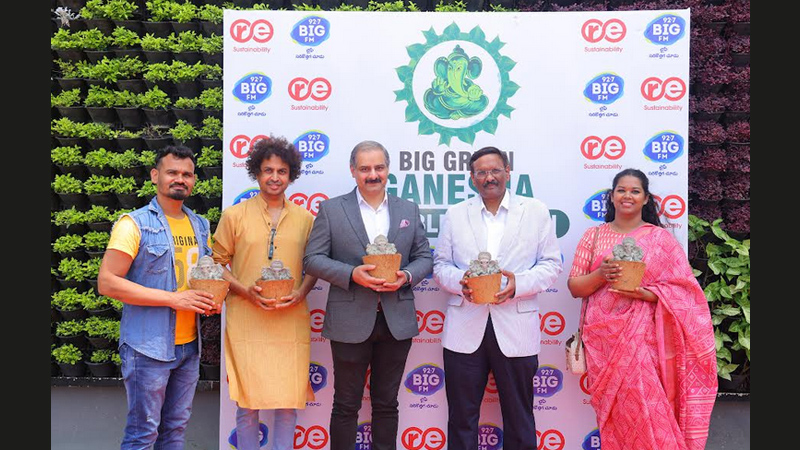
Mumbai: Re Sustainability Ltd (ReSL) has once again, partnered with 92.7 BIG FM for the 16 edition of the award-winning Green Ganesha initiative, #ReBIGGreenGanesha.
Re Sustainability, a leading global circular economy firm, is closely sledging this initiative with Mission LiFE, announced by the hon’ble prime minister of India Narendra Modi at UNFCCC COP26, which aims to bring individual behaviours and local cultures at the forefront of the global climate action narrative. This initiative will reach communities across Hyderabad, Mumbai and Delhi. These clay Ganesha idols are embedded with seeds and fertilizers. Recipients can perform the #nimarjan ritual at home, in a flowerpot, giving rise to a new life in the form of a new plant.
In Hyderabad and Delhi, it will involve the distribution of eco-friendly Seed Ganesha Idols, motivating citizens to adopt an eco-friendly alternative to celebrate the auspicious festival. This year, this partnership between Re Sustainability and 92.7 BIG FM taking the idea a step further. A used paper collection drive from communities across Hyderabad and Delhi has been kicked off, which will then be recycled into large eco-friendly Ganesha Sculptures. The drive will be followed by a seven-day mall activity including Ganesh Idol Sthapana & Arti along with sweets distribution.

In addition, a series of engaging activities will also be held in Mumbai as part of the #ReBIGGreenGanesha campaign. Big FM RJs will encourage listeners to adopt an eco-friendly lifestyle by giving up the usage of plastic bottles. For listeners to donate to the cause, special collection points will be set up at Residential Welfare Associations (RWA). With the use of collected bottles, this effort hopes to create a community of “Plastic Ke Vighnaharta” (Guardians against Plastic) by creating a stunning art piece for pandal decorating. The gathered bottles will be artistically integrated into one of the RWAs’ displays and used to decorate the pandal.
Volunteers will support Ganpati pandals in maintaining cleanliness and promoting eco-friendly practices during the Ganeshotsav. Finally, following the celebrations, the bottles will be properly recycled or reused to build a bench within the same community, providing a practical illustration of sustainable alternatives. Big FM RJs will take an active role in this exhibit and engage in meaningful conversations with the community’s people, further elaborating on the idea of living sustainably.
Re Sustainability managing director Goutham Reddy said, “Embracing sustainability is not an option but a necessity if we need to secure a sustainable future for ourselves and generations to come. Re Sustainability has made significant strides towards eradicating water pollution through groundbreaking initiatives like Re BIG Green Ganesha. This eco-friendly initiative is designed with the primary goal of raising awareness among the masses about sustainable practices that are essential for the preservation and conservation of our precious water bodies”.
Re Sustainability CEO Masood Mallick said, “The Ganesh Chaturthi festivities bring along immense joy and positivity to all of us, across the country. This year, our flagship campaign takes the message of Responsible & Sustainable Celebrations to every home in India, while aligning with the key tenets of Mission LiFE. With beautiful Ganesha Idols that spring new green life and the associated paper & plastic recycling initiatives, we further strengthen our commitment towards a more sustainable and pollution-free India. This Ganesh Chaturthi, please welcome #ReBIGGreenGanesha to your homes and hearts.”
Re Sustainability has distinguished itself in the field of environmental protection by advocating for a circular economy through its comprehensive services. Its significant contributions to revolutionizing waste management practices, marked by investments in cutting-edge technology and green initiatives, have been pivotal.
Re Sustainability’s BIG Green Ganesha initiative serves as a testament to their heartfelt and conscious endeavour to mitigate environmental harm during festivities.





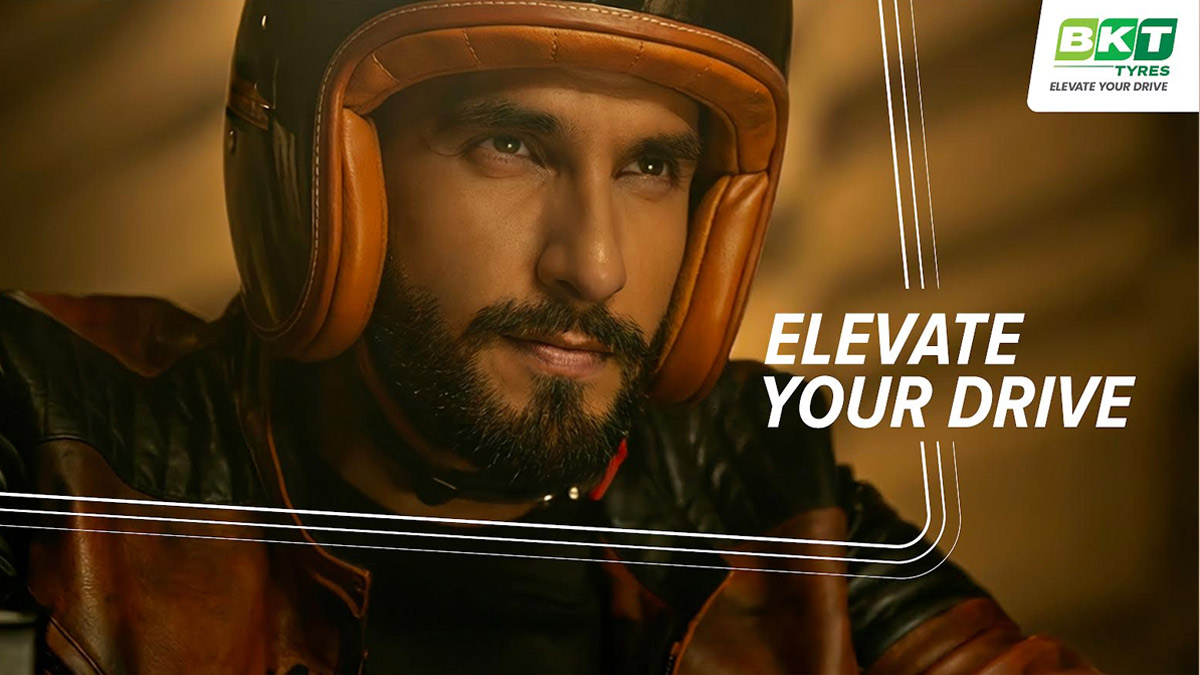
MUMBAI: BKT Tyres has decided to roll into the two-wheeler world with some serious jurrat and it’s brought Ranveer Singh along for the ride. The off-highway tyre specialist has unveiled its new campaign, ‘Jurrat’, marking a strategic push into India’s massive two-wheeler segment. The high-energy TV commercial, featuring brand ambassador Ranveer Singh, debuted on 3 April 2026 during the Indian Men’s T20 League 2026.
The campaign revolves around the core belief that true confidence on the road comes from dependable performance beneath you. ‘Jurrat’ (meaning courage) captures the mindset of riders who navigate dynamic and often unpredictable daily commutes with determination. It brings BKT Tyres’ brand philosophy ‘Elevate Your Drive’ into the two-wheeler space by spotlighting three key product benefits: long life, exceptional road grip, and unmatched comfort.
BKT Tyres chief marketing officer for India Mahesh Koppad said, “India’s two-wheeler segment reflects the way the country moves, works, and progresses every day. ‘Jurrat’ highlights how performance-led tyres, engineered for long life, comfort, and grip, enhance the overall riding experience and support uninterrupted progress in everyday life.”
The campaign is being rolled out across television and digital platforms with high-impact placements to ensure maximum reach and engagement.
This launch represents BKT Tyres’ calibrated expansion from its stronghold in off-highway tyres to becoming a more holistic mobility brand, addressing the everyday transportation needs of millions of Indian riders who rely on motorcycles and scooters as their primary mode of transport.
In a segment where confidence is everything, BKT Tyres is betting that a combination of bold celebrity appeal and strong product performance will help it gain serious traction on Indian roads. The campaign signals that the company is ready to move beyond its traditional turf and accelerate in the fast-paced two-wheeler market.






