MAM
Razorfish appoints Charulata Ravi Kumar as new CEO for India

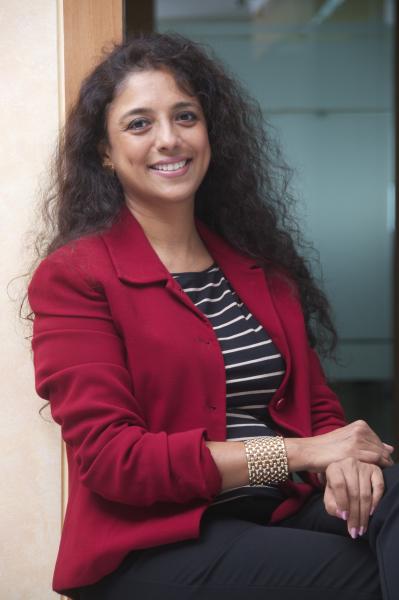
MUMBAI: Razorfish has announced the appointment of Charulata Ravi Kumar as the chief executive officer, India.
Kumar will work from the agency’s Mumbai office, also responsible for the regional presence across Bangalore, Gurgaon and Pune. She will report to APAC executive chairman Vincent Digonnet.

Previously, Kumar has held leadership roles in India, Middle East and Europe and has managed businesses and brands across US and South Asia. Her 25 year career includes stints with the WPP and Lowe networks as well as establishing her own successful innovation and leadership skills consultancy Coffee Kettle.
Kumar said, “I’m honoured to lead Razorfish India’s business and to be tasked with taking the network to new heights, leveraging technology, social media, e-commerce, data services, experience, design and brand building capabilities to deliver transformational business experiences. My goal is to ensure Razorfish India remains to be the destination for smart, curious, creative and entrepreneurial-minded people and to further strengthen Razorfish India’s existing core competencies.”
Digonnet remarked, “Charulata brings to this role true business transformation skills through a blend of innovation, integrated marketing solutions and entrepreneurship. She has diverse experience across sectors such as services, manufacturing and consumer products across leading multinational corporations and global brands.”
He continued, “She is the perfect succession choice and her proven skills that help brands to bridge the gap between today’s business reality and tomorrow’s new opportunities, is a perfect marriage to Razorfish’s business model. She has in-depth understanding of the Indian market and her background is a perfect complement to the skills we have already developed.”
Outgoing managing director, Kanika Mathur added, “It’s been a privilege to have worked within the Publicis Groupe, latterly at Razorfish, an iconic organisation with digital at its core, since 2008. I commence my new professional challenge assured that under Charulata’s leadership, Razorfish India will continue to thrive and progress an agenda, helping clients navigate the future and transform their businesses.”
Kumar’s appointment is effective immediately.


MAM
Ameya Velankar steps down as Uber’s head of marketing for India & South Asia
Veteran marketer exits after more than seven years with the ride-hailing giant.
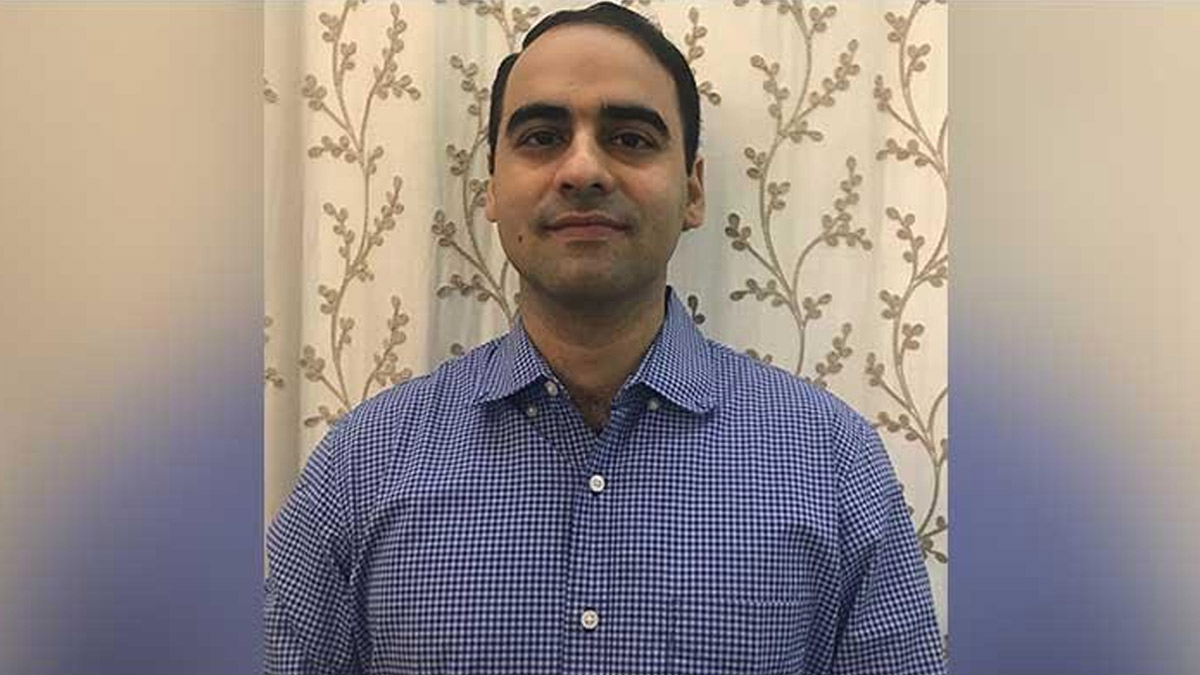
MUMBAI: After more than seven years of steering Uber through the bumpy roads of India’s mobility market, Ameya Velankar has decided to change lanes. Ameya Velankar has stepped down as Head of Marketing for India and South Asia, marking the end of a significant chapter at the ride-hailing company. He had been with Uber since 2019, taking on multiple roles in product and category marketing before rising to lead the marketing function for the region in 2021.
During his tenure, Velankar played a key role in strengthening Uber’s positioning in one of its most competitive and dynamic markets. He helped drive localised marketing strategies and scale adoption across key offerings such as Auto, Moto, Rentals and Intercity, tailoring global platforms to Indian consumer needs.
Prior to joining Uber, Velankar built his marketing expertise at leading consumer companies including SC Johnson and Marico, where he handled category and product leadership roles. His career began at RPG Enterprises.
Details of his next professional move have not been disclosed.
In a fast-evolving mobility landscape where brands constantly battle for attention, Ameya Velankar helped Uber stay relevant and resonant with millions of Indian users. As he moves on from the driver’s seat of marketing, the company will now look for fresh ideas to keep its wheels turning smoothly.






