MAM
Raymond appoints Atul Singh as EVP, to lead the Group

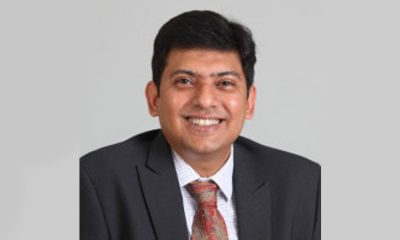
MUMBAI: Textile, apparel, retail & real estate conglomerate, Raymond has announced the appointment of Atul Singh to lead the Group. As Raymond is gearing to mark its centenary year in 2025, the company is on a transformation journey by strengthening its leadership by bringing diverse experience on board, it said in a statement.
The nomination and remuneration committee of Raymond has recommended Singh’s appointment as executive vice-chairman to the Board of Raymond Ltd subject to and post securing necessary regulatory clearances.
Singh comes with diversified experience of over 35 years of leading multi-billion dollar businesses across several geographies globally. Singh worked at Coca-Cola for about two decades in several senior leadership positions and concluded his journey there as chairman of Asia Pacific and spearheaded businesses across 25 countries.

Before joining Coca-Cola, Singh worked at Colgate-Palmolive for 10 years where he held several leadership positions globally. His last stint at Colgate-Palmolive was country manager, Nigeria.
Commenting on the appointment, Raymond chairman & managing director Gautam Hari Singhania said, “I have always believed in the philosophy of demarcating ownership and management that brings in global expertise & good governance. Raymond is at an inflection point and has embarked upon the journey to be a future-ready organisation to achieve profitable growth and value unlocking. As we are headed to complete 100 years of our existence, strong leadership for the organisation will propel us to scale up our businesses both in domestic and global markets. With his impeccable track record, I am confident that Atul will lend his expertise for Raymond to sustain and grow in each of the businesses we operate.”
In his new role, Singh said “Raymond is one of the most reputed home-grown brands from India and has enormous growth potential. It is very exciting to be part of the transformation journey and lead the organisation to its centenary year. I look forward to contribute and chart out a growth path for the organisation and shareholder value creation.”






MAM
PwC India announces leadership change in Deals practice
Shashank Jain steps down as co-leader after nearly three decades with the firm.
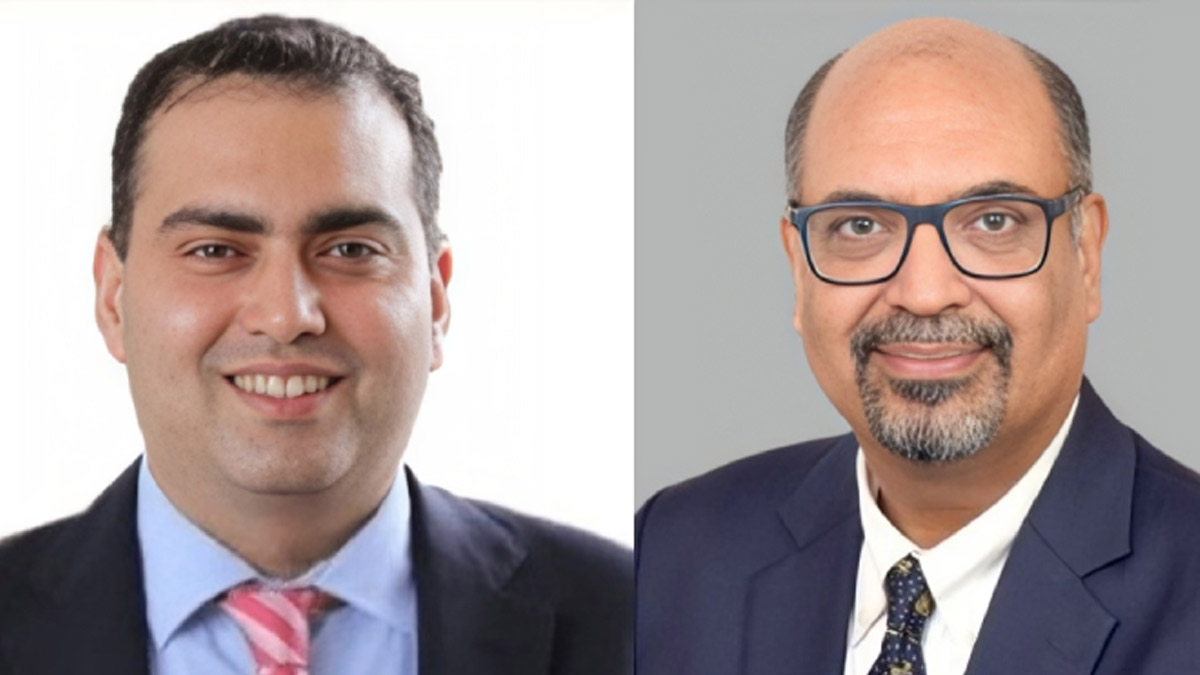
MUMBAI: When one dealmaker steps off the pitch, another is ready to take the baton because in the fast-moving world of transactions, the game never really stops. PwC India has announced a leadership transition in its Deals practice, with Shashank Jain stepping down from his role as co-leader to pursue an opportunity in the industry. The practice will continue to be led by Mohit Chopra, ensuring continuity and sustained growth momentum.
PwC India partner and leader for advisory dinesh Arora paid tribute to Jain’s contributions. “We deeply appreciate the significant contributions made by Shashank over close to three decades he has spent with PwC, particularly his defining role in shaping and strengthening our Transaction Services practice in India,” he said. Arora highlighted Jain’s support for clients through some of the most complex and significant transactions in the Indian market, noting his deep technical expertise, sound judgment and nuanced understanding of the evolving M&A landscape.
The Deals practice remains a key growth driver for PwC India, and the firm expects continued expansion under Mohit Chopra’s leadership. He will continue to guide clients through complex transactions and transformational business moments, building on the strong foundation established over the years.
Reflecting on his journey, Shashank Jain said, “I have had an exceptional journey at PwC. I owe my growth and learning to the nurturing environment and leadership development that PwC provided.” He added that he had been working closely with Mohit and the larger team to ensure a smooth transition and expressed confidence that Chopra would take the Deals practice to newer heights.
From intern to respected deals leader, Shashank Jain has clearly closed many successful transactions and now, it seems, he’s ready to strike a new deal of his own.