MAM
Ravi Kiran kicks off new startup with 3 partners


MUMBAI: Four former corporate leaders – Ravi Kiran (Starcom MediaVest Group former CEO-South East & South Asia), Suhail Kazmi (Yes Bank former President – retail banking and wealth management), Sanjay Barkataki (Publicis Groupe Media former India CFO) and Subodh Srivastav (Idea Cellular and MTS former COO) – today announced a new startup focused on businesses in tier -II and tier – III towns.
All four opted out of their respective corporate leadership positions between February and December 2010 and founded the venture in July 2011.
The growth advisory company, named Friends of Ambition, will work closely with ambitious enterprises and guide them to achieve their growth goals over a three to five year period, the company said in a statement. The company reckons an addressable market of 51,000 firms in sixty-two identified towns.
“It is our belief that businesses in Middle India have a real opportunity to drive the next few decades of dramatic growth in economic value and societal impact. We are strongly inspired by their aspirations, which have risen manifold over the years. At the same time, we have observed a palpable feeling of helplessness and growing frustration,” Kiran said.

Kazmi added, “The frustration arises mostly out of a real access gap that exists today between Middle India and Metro India, which forces most business owners to scale down their ambitions. They feel an acute deficit in access to talent, managerial and functional expertise and private capital, which is available more easily to enterprises in the big cities.”
The company said that this “Access Gap”, the company will attempt to bridge, in its endeavor to nurture and fuel the dreams of ambitious enterprises. Besides providing a very active, hands-on advisory service and helping implement decisions and strategy, the company will also provide its clients with a growth ecosystem, built on a powerful network of partners under the umbrella of ‘Allies of Ambitionsm‘. The Allies Of Ambition network will consist of several firms across nine chosen functional domains – from legal, technology, human resource, tax consulting & audit and talent recruitment to marketing research, digital marketing, advertising and financial capital.
Srivastav added, “Our allies are an integral part of our value delivery model. We believe their expertise, combined with our guidance, and real world experience in scaling businesses, will work powerfully for our clients. This is classic gestalt effect – the whole being bigger than the sum of parts.”
Friends of Ambition said in the statement that the company believes that the traditional tag of SME that is put on an ambitious business is inappropriate and probably anachronistic.
Barkataki said, “We reject the tag of SME. That phrase, no matter how popular and easy-on-tongue, insults ambition, rather than respecting it. We describe our client segment as REMI – Rising Enterprises of Middle India, a phrase we find significantly more aspirational and dignified.”
Friends of Ambition is currently engaged with three clients and eleven alliance partners.


MAM
Ameya Velankar steps down as Uber’s head of marketing for India & South Asia
Veteran marketer exits after more than seven years with the ride-hailing giant.
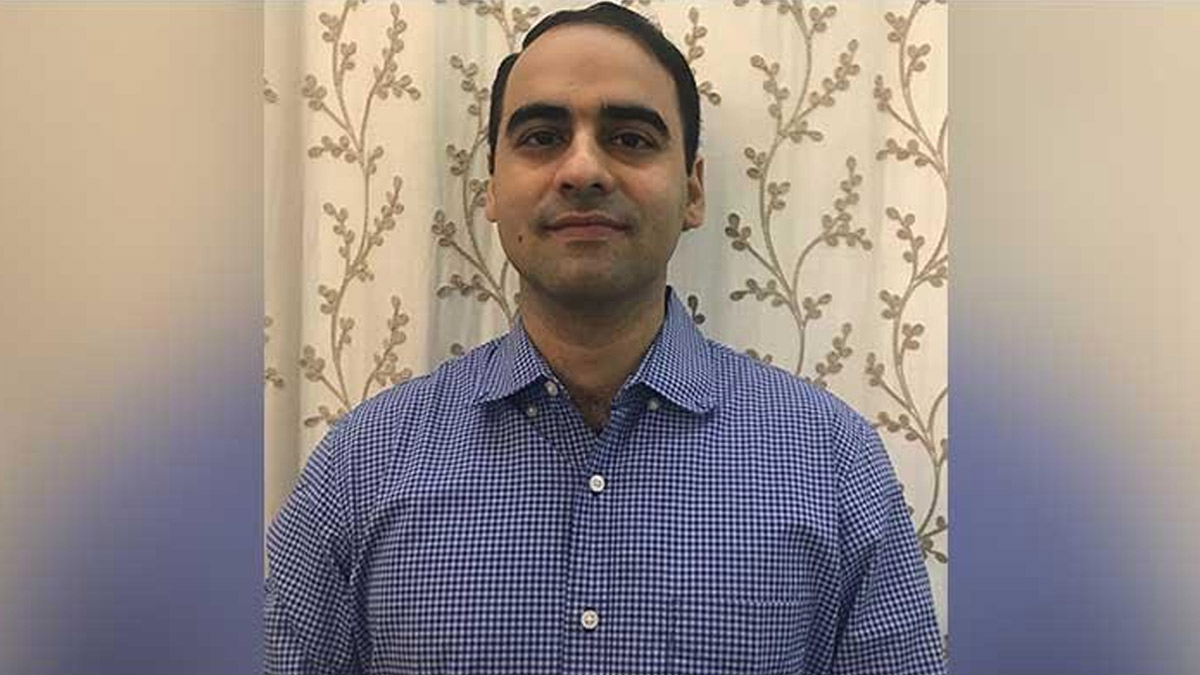
MUMBAI: After more than seven years of steering Uber through the bumpy roads of India’s mobility market, Ameya Velankar has decided to change lanes. Ameya Velankar has stepped down as Head of Marketing for India and South Asia, marking the end of a significant chapter at the ride-hailing company. He had been with Uber since 2019, taking on multiple roles in product and category marketing before rising to lead the marketing function for the region in 2021.
During his tenure, Velankar played a key role in strengthening Uber’s positioning in one of its most competitive and dynamic markets. He helped drive localised marketing strategies and scale adoption across key offerings such as Auto, Moto, Rentals and Intercity, tailoring global platforms to Indian consumer needs.
Prior to joining Uber, Velankar built his marketing expertise at leading consumer companies including SC Johnson and Marico, where he handled category and product leadership roles. His career began at RPG Enterprises.
Details of his next professional move have not been disclosed.
In a fast-evolving mobility landscape where brands constantly battle for attention, Ameya Velankar helped Uber stay relevant and resonant with millions of Indian users. As he moves on from the driver’s seat of marketing, the company will now look for fresh ideas to keep its wheels turning smoothly.






