MAM
PVR Cinemas launches first property in Sri Lanka

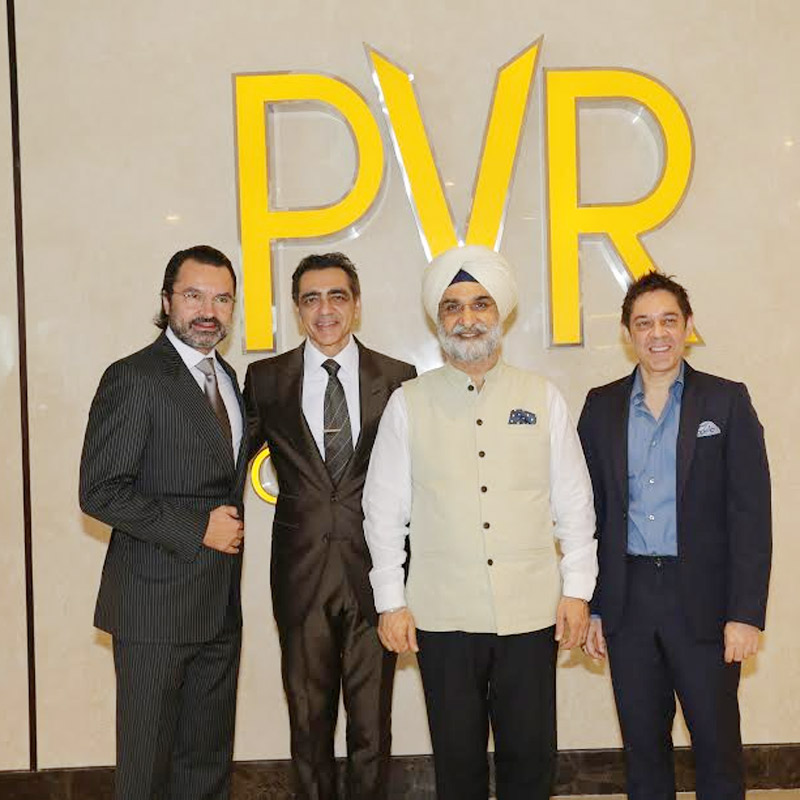
MUMBAI: PVR Cinemas, the largest and most premium film exhibition company in India announced its entry into the Sri Lankan market with the opening of PVR Lanka at One Galle Face Mall, Colombo today. PVR in collaboration with the Shangri La Group introduces Colombo’s biggest entertainment destination with the launch of the new 9- screen property. Redefining movie viewing experience,
PVR Lanka hosts premium formats like PVR LUXE, a luxury cinema format and PVR PlayHouse, a dedicated auditorium for the young ones and their family. Designed with contemporary flair blended with local influences and enabled with technological excellence, PVR aims to introduce the epitome of modern cinema in Sri Lanka.
PVR Ltd. Chairman and Managing Director Ajay Bijli said “Entering Sri Lanka was part of our business strategy for FY 19-20 and I am happy we have been able to make it happen. The socio-cultural similarity between the two nations makes the scope for business growth opulently clear. The vision has been to introduce new concepts and make regional content more accessible for the audience in Sri Lanka. The Indian film industry has grown exponentially in last few years and has a global fan base that we aim to cater to through innovation and expansion.”

The property spreads across two levels with an area of 38,454 sq. ft. and a seating accommodation of 1,139 audiences. It is integrated with modern technological solutions for superior cinematic experience and digital solutions for an enhanced customer experience.
Speaking on the launch, PVR Ltd Joint Managing Director Sanjeev Kumar Bijli said, “We feel very happy to be able to bring PVR’s offerings to Sri Lanka. The market dynamics in Sri Lanka are very similar to that of India which helped us design our product with much more ease. The love for Indian content is huge here and we are aiming to offer a rich and diverse experience to the cine buffs.”
Accompanied with gastronomic extravaganza and best-in-class hospitality services in plush and luxurious seating arrangements, PVR Lanka presents itself as a one stop entertainment destination to the cinema goers. The integration of modern décor with intricate design adds to the grandeur of the new multiplex. An exquisitely designed, bespoke lounge is created for our LUXE audience.
He further added, “Our endeavor was to introduce eagerly awaited, world class cinema formats to offer holistic entertainment to the market. We are very confident that we will be successful in offering unique experiences to the people of Sri Lanka.”







MAM
PwC India announces leadership change in Deals practice
Shashank Jain steps down as co-leader after nearly three decades with the firm.
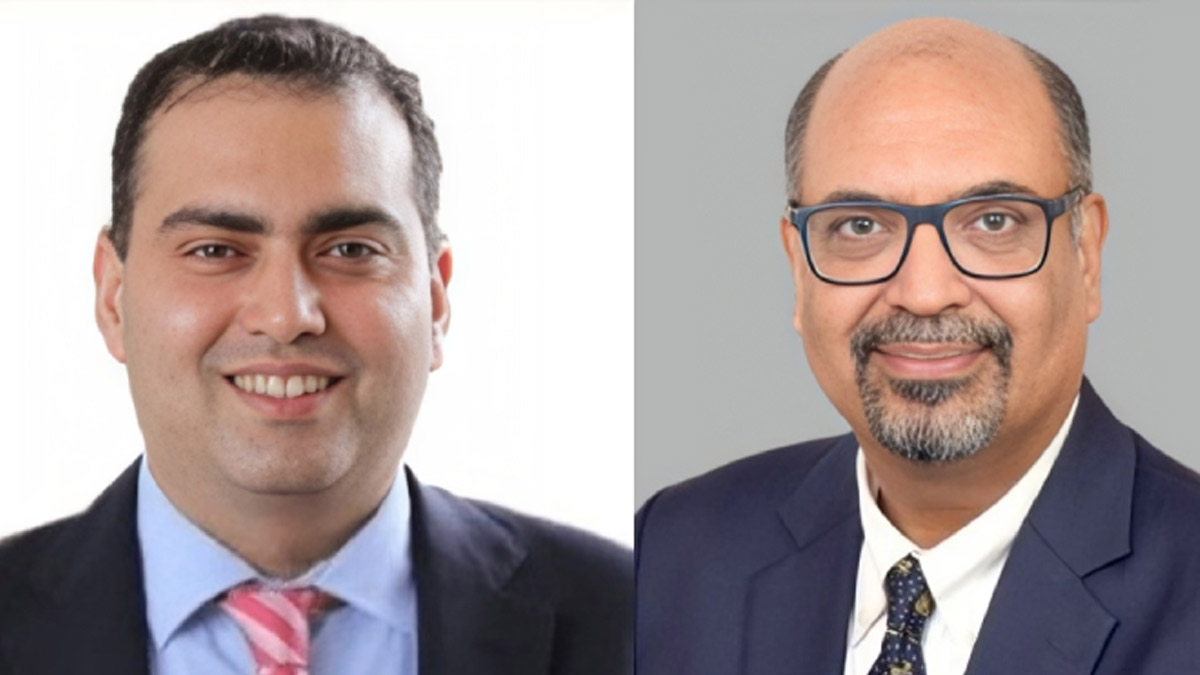
MUMBAI: When one dealmaker steps off the pitch, another is ready to take the baton because in the fast-moving world of transactions, the game never really stops. PwC India has announced a leadership transition in its Deals practice, with Shashank Jain stepping down from his role as co-leader to pursue an opportunity in the industry. The practice will continue to be led by Mohit Chopra, ensuring continuity and sustained growth momentum.
PwC India partner and leader for advisory dinesh Arora paid tribute to Jain’s contributions. “We deeply appreciate the significant contributions made by Shashank over close to three decades he has spent with PwC, particularly his defining role in shaping and strengthening our Transaction Services practice in India,” he said. Arora highlighted Jain’s support for clients through some of the most complex and significant transactions in the Indian market, noting his deep technical expertise, sound judgment and nuanced understanding of the evolving M&A landscape.
The Deals practice remains a key growth driver for PwC India, and the firm expects continued expansion under Mohit Chopra’s leadership. He will continue to guide clients through complex transactions and transformational business moments, building on the strong foundation established over the years.
Reflecting on his journey, Shashank Jain said, “I have had an exceptional journey at PwC. I owe my growth and learning to the nurturing environment and leadership development that PwC provided.” He added that he had been working closely with Mohit and the larger team to ensure a smooth transition and expressed confidence that Chopra would take the Deals practice to newer heights.
From intern to respected deals leader, Shashank Jain has clearly closed many successful transactions and now, it seems, he’s ready to strike a new deal of his own.