MAM
Pulse Candy brings AI-powered Ganesh Mahotsav to iconic Maharashtra pandals

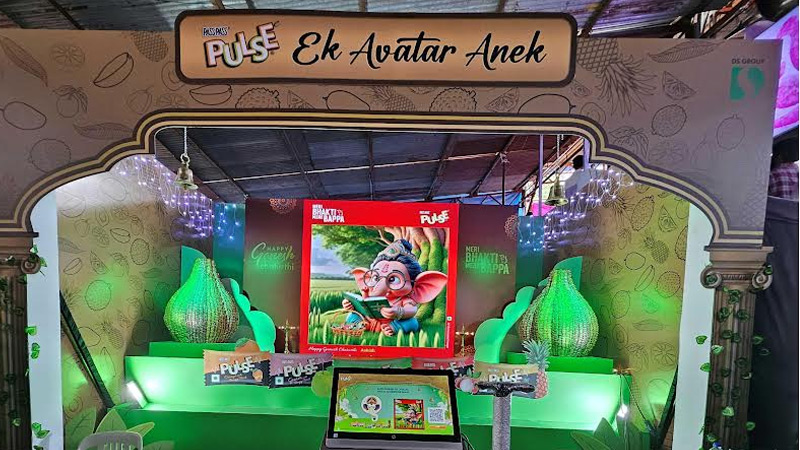
Mumbai: Pulse Candy, a leading hard-boiled candy brand from DS Group, launches Pulse Ganesh Mahotsav, a celebration blending the spirit of Ganesh Chaturthi with AI technology. The campaign combines iconic pandals across Maharashtra with an innovative digital experience, allowing devotees to visualise their version of Ganesha.
Pulse Candy collaborates with renowned pandals, including Lalbaugcha Raja in Mumbai, Tulsi Bagh Mandal in Pune, Nashikcha Raja, Yaadgar Ganesh Pandal in Aurangabad, and Mecosabagh Servajanik Ganesh Utsav Mandal in Nagpur. To enhance the festival experience, the brand introduces the concept “Meri Bhakti Mere Bappa”, using AI to bring devotees’ imagined visualisations of Ganesha to life.
Visitors to these pandals can interact with AI technology through tablets, describing their vision of Ganesha. The system generates personalised images of the deity, subtly incorporating Pulse candy, which is then projected onto large screens for all to see.

DSFL’s marketing GM, Arvind Kumar said: “Maharashtra is a key market for our hard-boiled candy business, with the Pulse Ganesh Mahotsav, we aim to resonate with the young audience, ensuring that the brand remains both relevant and cherished. By blending tradition with technology, the Pulse Ganesh Mahotsav allows us to connect with the youth and the community at large, offering them a memorable experience that resonates with the spirit of the festival. Through this initiative, we aim to celebrate the diversity of choices and the vibrancy of devotion, much like our Pulse candy flavours.”
To expand this initiative, Pulse launched a contest on social media and an AI microsite. Users can create their own AI-generated Ganesha images, share them on social media or WhatsApp, and win exciting prizes. This ensures that the festive spirit reaches devotees nationwide, even those unable to visit the pandals.



MAM
Beacon Group appoints Dr Rajesh Patel as Group CEO
36-year healthcare veteran to lead Beacon Diagnostics, Vector Biotek, Biogeny.
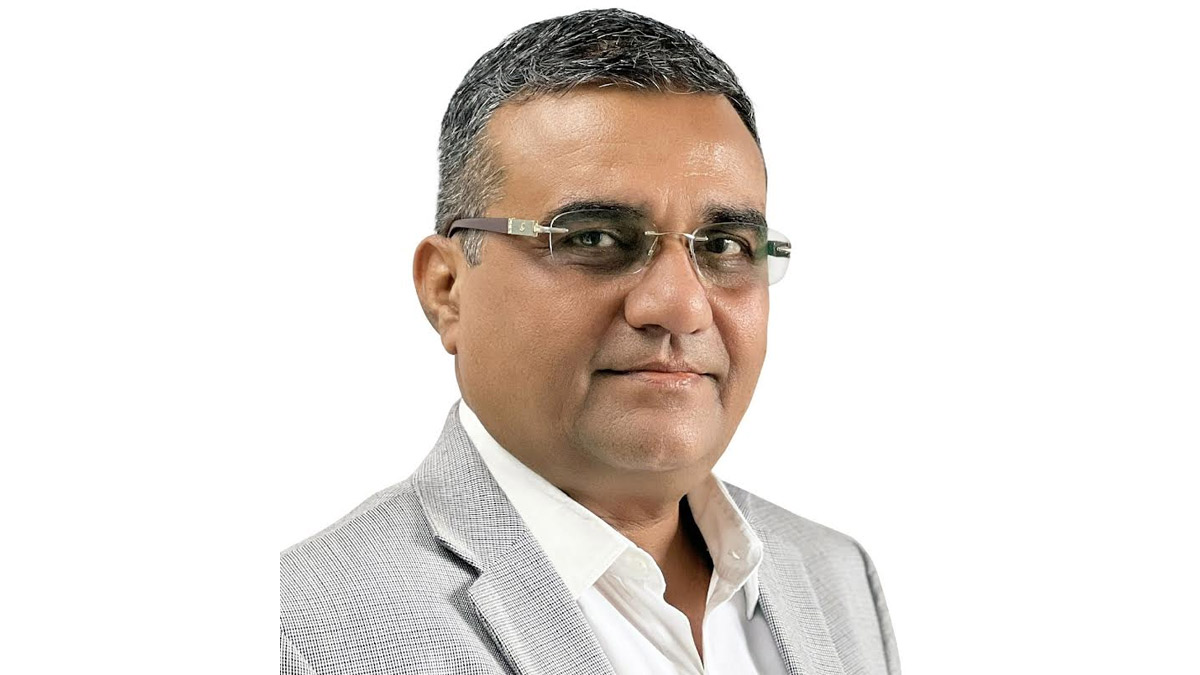
MUMBAI: A new chief, a fresh diagnosis and a sharper prescription for growth. Beacon Group has appointed Dr Rajesh Patel as its Group Chief Executive Officer, effective April 1, 2026, signalling a decisive push to scale its presence in the diagnostics and IVD space. Patel steps into the role with 36 years of experience across the healthcare and diagnostics industry, bringing a career shaped by leadership roles spanning sales, marketing, business development and operational strategy. His mandate is both expansive and precise: to steer the group’s overall strategic direction while tightening coordination across its three core entities Beacon Diagnostics, Vector Biotek and Biogeny Diagnostics.
In practical terms, that means driving cross-company synergies, accelerating market expansion and strengthening organisational capability areas increasingly critical as diagnostic players compete for scale in a fragmented yet rapidly evolving healthcare ecosystem. The group is positioning itself to capture unmet demand across chain laboratories, key accounts and standalone labs, segments that remain underserved despite growing diagnostic needs.
The appointment comes at a time when the In Vitro Diagnostics (IVD) sector in India is entering a more competitive and innovation-led phase, with companies focusing not just on product pipelines but also on service delivery, integration and customer-centric models. Beacon’s leadership appears to be betting that Patel’s execution-focused approach can help translate ambition into operational momentum.
Welcoming the appointment, Chairman Dr D K Joshi described Patel’s induction as a strategic move aligned with the group’s long-term vision, emphasising the role of leadership depth in navigating the next phase of growth.
For Beacon Group, the message is clear, in a sector where precision matters, leadership is the new differentiator—and this appointment is intended to set the tone for what comes next.






