AD Agencies
Publicis CCI probe: Delhi HC rejects plea to halt investigation
HC urges parties to raise objections before the competition regulator

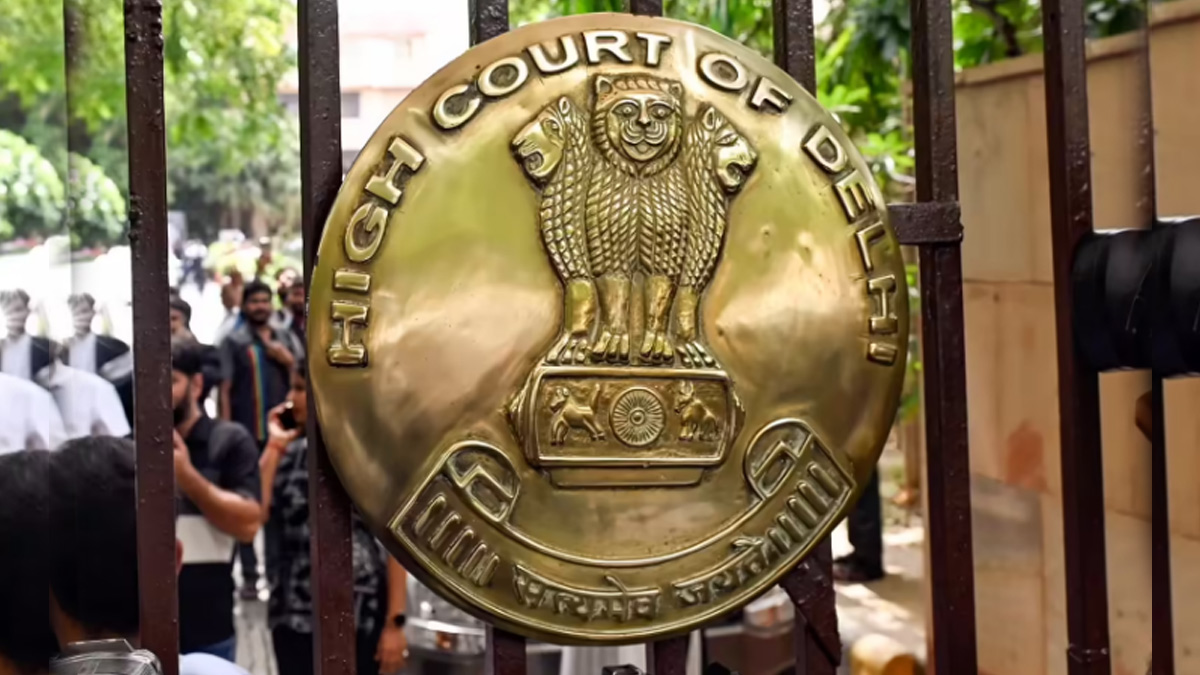
NEW DELHI: The Delhi High Court has declined to interfere with an ongoing investigation by the Competition Commission of India into alleged anti-competitive conduct involving Publicis Groupe, holding that no cause of action had arisen for the petitioner at this stage.
A bench led by Justice Purushaindra Kumar Kaurav dismissed a writ petition filed by TLG India Private Limited, the Indian arm of Publicis Groupe, after noting that no formal notice had been issued to the company by the regulator.
TLG India had challenged summons and investigative steps issued in the name of “Publicis Groupe”, arguing that the reference was to a brand rather than a legally identifiable enterprise under the Competition Act. The petitioner contended that while summons were addressed to its office and employees, it was not itself named as the entity under investigation.

Appearing for TLG India, senior counsel Ritin Rai argued that investigations must be directed at a defined juristic person and sought quashing of the summons. The court, however, asked whether any notice had been issued directly to TLG India as a legal entity: an assertion the petitioner conceded had not occurred.
The CCI, represented by senior advocate Jayant Mehta, opposed the plea on grounds of maintainability, stating that notice had been issued to Publicis Groupe SA and that TLG India lacked locus to challenge proceedings in which it was not a named party.
The bench reiterated that courts are reluctant to intervene in ongoing proceedings before statutory authorities. It observed that any legal consequences arising from notices issued to an allegedly non-existent entity would have to be examined by the CCI itself. With no notice issued to the petitioner, the writ was disposed of, leaving parties free to raise their objections before the regulator.
The investigation, initiated in March 2025, relates to allegations of price-fixing and collusion among major advertising agencies and industry bodies operating in India.





AD Agencies
Tribes and Omnicom Media win Gold for HSBC Living Hexagon at ET Awards
Kinetic OOH installation turns HSBC’s iconic logo into a living landmark

MUMBAI: Tribes Communication and Omnicom Media have secured a Gold win at the ET Design & Creativity Awards for their innovative out-of-home installation, The Living Hexagon, created for HSBC.
Awarded in the Most Creative Traditional OOH category, the project reimagines one of the world’s most recognisable banking symbols into a dynamic, ever-evolving structure. Designed for HSBC’s International Financial Services Centre presence, the installation was conceived to do more than simply grab attention. It aimed to seamlessly blend into the fast-growing ecosystem of GIFT City.
At the heart of the idea is HSBC’s iconic hexagon, typically associated with precision and consistency. Tribes transformed this static identity into a kinetic structure that responds to natural elements such as wind and light, creating a sense of continuous motion. The result is a visual experience that shifts throughout the day, echoing themes of adaptability and momentum.
Constructed using modular triangular units arranged along a precise geometric axis, the installation moves in synchrony, giving the illusion of a fluid, living form. While the structure evolves with its surroundings, it retains the unmistakable identity of the HSBC brand, striking a balance between innovation and familiarity.
Strategically placed at a key entry point into GIFT City, the installation functions as both a landmark and a statement. It reflects the pace and dynamism of global finance while embedding the brand into the city’s architectural narrative.
With this win, Tribes Communication and Omnicom Media underline the growing role of experiential and design-led thinking in traditional media, proving that even the most established brand assets can find new life when reimagined with creativity and context.






