MAM
Psychology behind effective visual merchandising: Tapping into consumer behaviours


Mumbai: In the ever-evolving landscape of marketing, understanding consumer behaviour is paramount. Visual merchandising, a vital tool in a marketer’s arsenal, taps into the subconscious cues that influence purchasing decisions. While the digital age has transformed media planning, traditional concepts like primary, secondary, and tertiary media remain relevant. Integrating these concepts thoughtfully into campaign strategies can enhance the effectiveness of visual merchandising.
The role of media planning in marketing
Historically, media planning involved categorizing channels into primary, secondary, and tertiary media. This classification helped marketers allocate resources effectively and target consumers through the most impactful mediums. Despite the digital revolution, these foundational principles persist. Visual merchandising, when viewed through this lens, requires a strategic approach to leverage its intrinsic attributes fully.

Visual merchandising as a medium
Visual merchandising involves the strategic presentation of products to enhance their aesthetic appeal and influence consumer perception. However, no matter how elaborate or costly, visual merchandising elements are not inherently suited to serve as the primary medium in a media plan. This is largely due to the environment in which consumers encounter these visuals.
Consider bustling settings like bazaars, malls, or high streets. These environments are filled with stimuli—numerous brands vie for attention amidst crowds of socially engaged consumers. In such contexts, individuals have limited attention to devote to each brand. Contrastingly, when a consumer watches a close cricket match and an advertisement appears during a break, their level of attention is significantly higher. The focused environment of a screen amplifies the impact of the advertising message.
The challenge of capturing attention
Assigning primary media responsibility to visual merchandising elements demands an acute awareness of the substantial burden placed on both the choice of elements and the content communicated. The effectiveness of such a strategy hinges on the ability to capture and retain consumer attention in environments where distractions are plentiful. Without this strategic consideration, relying solely on visual merchandising as the main medium can be akin to throwing a Hail Mary pass—hopeful but uncertain.
Visual merchandising as a secondary or tertiary medium
Visual merchandising excels when used as a secondary or tertiary medium within a comprehensive media plan. After the consumer has received the primary message through other channels, visual merchandising serves as an effective reminder. By leveraging the natural flow of foot traffic in physical spaces, marketers can reinforce brand messages and prompt action.
Analyzing customer flow allows marketers to select appropriate visual merchandising elements tailored to specific objectives—attracting walk-ins and driving conversions. For walk-ins, the emphasis is on impact. Eye-catching displays and bold visuals can draw consumers into a store. For conversions, the focus shifts to details—providing information and subtle cues that encourage the consumer to make a purchase. This dual approach utilizes the strengths of visual merchandising without overextending its role beyond its most effective capacity.
Integrating visual merchandising in the digital age
In today’s digital age, integrating visual merchandising with online strategies can amplify its effectiveness. For instance, digital signage and interactive displays can bridge the gap between physical and digital experiences. These tools can personalize messages based on real-time data, enhancing engagement and aligning with consumer expectations shaped by digital interactions.
Moreover, social media platforms can showcase visual merchandising efforts, extending their reach beyond physical locations. By creating visually appealing content that resonates with online audiences, brands can generate interest that drives foot traffic to stores.
Understanding the psychology behind effective visual merchandising is crucial for tapping into consumer behaviors. By recognizing its role within the hierarchy of media planning, marketers can deploy visual merchandising strategically. When used as a complementary medium, it reinforces messages delivered through primary channels, enhances brand recall, and influences purchasing decisions.
In an environment saturated with stimuli, the key lies in crafting visual merchandising elements that not only capture attention but also align seamlessly with broader marketing objectives. Through thoughtful integration and a keen understanding of consumer behavior, visual merchandising can significantly contribute to a brand’s success in both physical and digital marketplaces.
This article has been authored by Channelplay co-founder & co-CEO Suhas Misra.





Brands
Jubilant Foodworks to end Dunkin’ franchise in India
Pizza chain operator will not renew agreement when it expires at end of 2026.
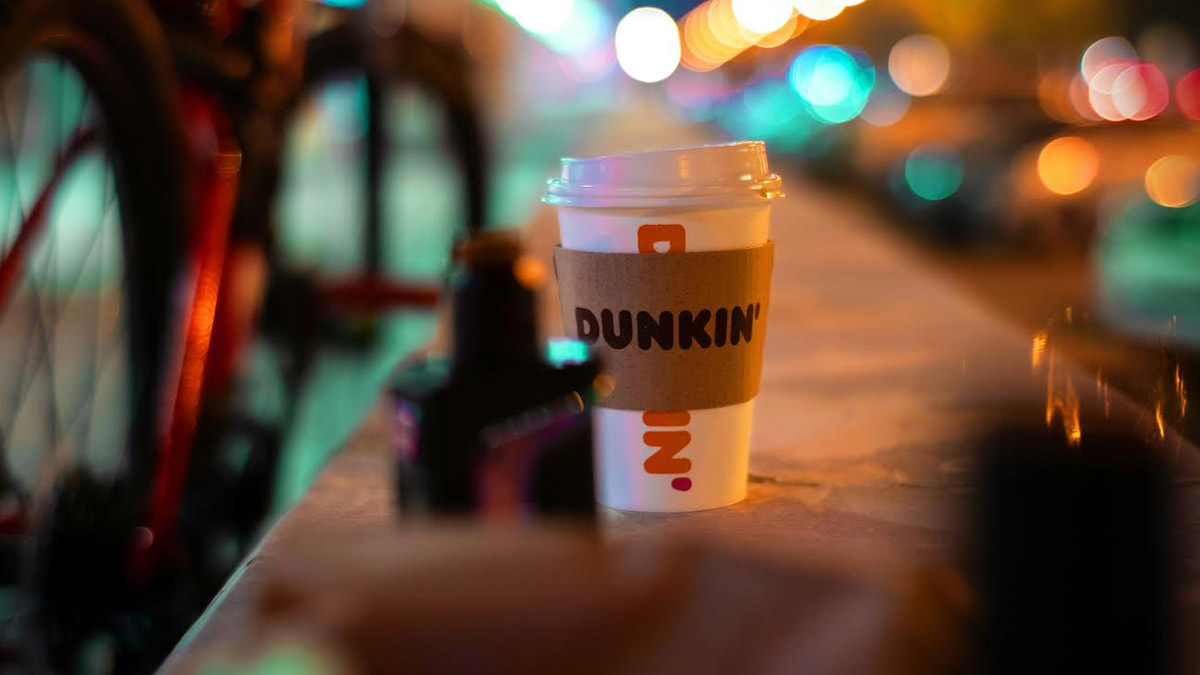
MUMBAI: When the doughnuts stop turning and the coffee goes cold, even a global giant like Dunkin’ can find the Indian market a tough brew to crack. Jubilant Foodworks has decided not to renew its franchise agreement with Dunkin’ when the pact expires on 31 December 2026, according to a Reuters report. The operator, best known for running Domino’s outlets in India, said it would evaluate options for its existing Dunkin’ stores, including a potential sale or transfer of franchise rights, in consultation with the US-based brand.
The decision follows years of underperformance in a market where local tastes and intense competition have made it difficult for international coffee-and-doughnut formats to gain traction. Jubilant, which has increasingly focused on its core pizza business and newer bets like Popeyes, indicated that the exit would not materially affect its financial or operational position.
Dunkin’ accounted for just 0.61 per cent of Jubilant’s revenue in the fiscal year ending 2025 and recorded a loss of approximately Rs 191 million, according to a regulatory filing. The company operated 27 outlets as of December 2025, having shuttered seven stores over the preceding year.
The retreat comes even as Jubilant’s broader business shows signs of momentum. The company reported a 65 per cent rise in quarterly profit for the October to December period, reaching Rs 70.9 crore, up from Rs 42.91 crore a year earlier.
For Jubilant, the exit reflects a sharpening strategic focus. For Dunkin’, it marks another setback in a market that has proven resistant to imported café concepts without significant localisation.
In the cut-throat world of Indian quick-service restaurants, sometimes the sweetest deals are the ones you quietly walk away from leaving more room for the brands that truly rise to the occasion.