MAM
Profiling on-air-promos – I

Traditionally on-air-promos (OAP) are the single largest and primary source of information of programmes for the viewers of any channel. The industry-wide average as per research done a couple of years ago was around 85 per cent to 90 per cent of viewers of any channel.
With channels going to the extent of experimenting with new time bands, and launching a new show every other day, Indiantelevision.com makes an attempt to profile OAPs of some of the newly-launched shows on Indian television.
Starting the series with OAPs of Zee TV’s Zee Woman, the afternoon band (12:30 pm – 3 pm) on Zee TV which has programmes conceptualised keeping the new age housewife in mind.

 Zee TV launched Zee Woman on 12 July. The idea was to launch a time band on the channel that would lead to differentiated viewing for the woman. The task was to create a very strong women-driven time band to attract the female viewer group. The idea was to provide the women with something beyond serials.
So the two-and-a-half-hour band (Monday through to Thursday) came out with short capsules covering various subjects interwoven with shows. The band covering topics like career options, recipes, astrology and agony aunts, which aired alongside shows like Reth (12:30 pm), Dil Hi Dil Mein (1 pm), Tera Mera Saath Rahe (1:30 pm), Piya Ka Ghar (2 pm) and Astitva Ek Prem Kahani (2:30 pm).
“We planned it based on the target audience. So the majority of the promos were in prime time and the afternoon band, as prime time had the highest frequency of promos, hence the choice to place promos there as well,” Zee TV marketing head Ashish Dabral (who has since this interaction reportedly resigned).
 The creative of the Zee Woman OAPs came from the production company Final Cut Video. All the promos showed how every woman is special and needs to be made to feel special, to celebrate the woman of today. One of the promos shows a housewife, while cooking, listening to some music she likes and starts swinging to that music, forgetting everything else. At the end of the ‘show’, the mother-in-law, who had been watching the entire performance, starts clapping.
Another promo, set in a super market, has one housewife looking for grocery. A football lands right in front of her and she can’t resist the temptation. She dodges the ball between rice racks and scores a goal by successfully landing it in a basket trolley. Big applause follows.
 Zee Woman doesn’t follow the cross-promotional strategy since it has a primary sponsor in Kellogs. Still, Dabral feels cross channel promos are very useful as one basically gets access to a completely new set of targeted viewers, which otherwise is denied and is channel-specific.
Zee started promoting the band one month prior to the launch, somewhere in early June 2004, starting with teaser promos. The OAPs are expected to run anywhere from six to eight months. “It is the size of the property that decided the duration of the on-air-promotion,” said Dabral.
Now did these OAPs get converted as impressive ratings? Quoting TAM ratings, Dabral said Zee Woman is very successful as it boosted channel share for the afternoon band.
“Channel share for the afternoon time band registered a rise of 7 per cent after the launch of Zee Woman and the ratings of the soap Reth has gone up 15 per cent,” said Dabral.
 Dabral believes that OAPs should be complemented with effective off-air promos as well. In the case of Zee Woman, the channel unveiled an innovative off-air promo campaign by starting a branded free bus service for the women in Mumbai “to give them some respite from the lashing rains.”
“There are a lot more campaigns in the pipeline. Based on this initial success, we are working on making the band more interesting and refreshing,” is how Dabral summed it up.


MAM
PwC India announces leadership change in Deals practice
Shashank Jain steps down as co-leader after nearly three decades with the firm.
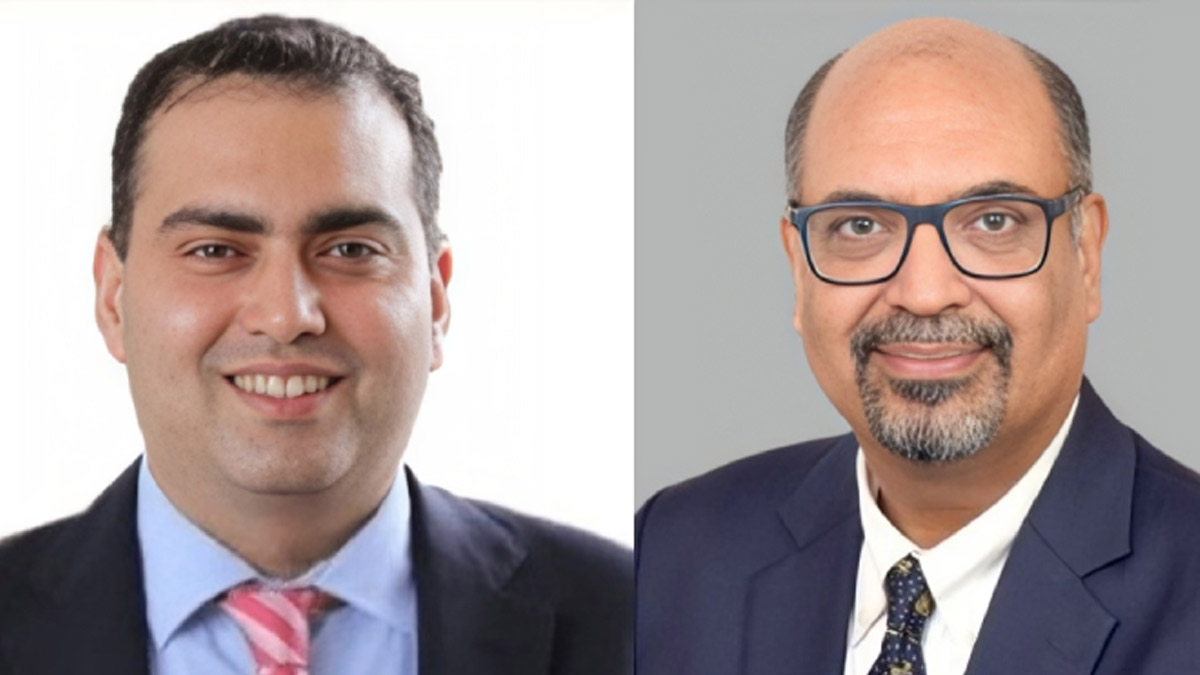
MUMBAI: When one dealmaker steps off the pitch, another is ready to take the baton because in the fast-moving world of transactions, the game never really stops. PwC India has announced a leadership transition in its Deals practice, with Shashank Jain stepping down from his role as co-leader to pursue an opportunity in the industry. The practice will continue to be led by Mohit Chopra, ensuring continuity and sustained growth momentum.
PwC India partner and leader for advisory dinesh Arora paid tribute to Jain’s contributions. “We deeply appreciate the significant contributions made by Shashank over close to three decades he has spent with PwC, particularly his defining role in shaping and strengthening our Transaction Services practice in India,” he said. Arora highlighted Jain’s support for clients through some of the most complex and significant transactions in the Indian market, noting his deep technical expertise, sound judgment and nuanced understanding of the evolving M&A landscape.
The Deals practice remains a key growth driver for PwC India, and the firm expects continued expansion under Mohit Chopra’s leadership. He will continue to guide clients through complex transactions and transformational business moments, building on the strong foundation established over the years.
Reflecting on his journey, Shashank Jain said, “I have had an exceptional journey at PwC. I owe my growth and learning to the nurturing environment and leadership development that PwC provided.” He added that he had been working closely with Mohit and the larger team to ensure a smooth transition and expressed confidence that Chopra would take the Deals practice to newer heights.
From intern to respected deals leader, Shashank Jain has clearly closed many successful transactions and now, it seems, he’s ready to strike a new deal of his own.