MAM
Prank for a cause; Ola banks on April 1st phenomenon to crowdfund toilets for 20,000 people


MUMBAI: Ola, one of the world’s largest ride-hailing platforms, today launched a nationwide crowdfunding campaign to enable building toilets across India to positively impact over 20,000 people across India. Launched under Ola’s ‘My Ride. My Cause’ program, users will be able to contribute Re. 1 per ride from April 2nd until October 2nd, 2019. Ola has partnered with Gramalaya, an approved key resource centre from the Ministry of Drinking Water and Sanitation, who will use the proceeds in their on-going efforts to build toilets for the underprivileged across India.
The announcement follows the launch of Ola’s April Fool’s video, “Ola Restrooms”, which aimed at building awareness around the need for accessible and hygienic lavatories in India. Highlighting the need for more public toilets in the country, the digital campaign introduces ‘Ola Restrooms’, a new solution that seeks to address the dearth of facilities. Known for its unconventional campaigns, Ola used the occasion to draw attention to a social issue and turn it into a cause based initiative.
Speaking about the initiative, Anand Subramanian, Sr. Director – Marketing Communications said, “Since inception, Ola has been committed to supporting causes that deeply impact our cities and citizens. Access to toilets and sanitation can significantly improve hygiene and quality of life for people. Through this campaign, we aim to heighten awareness amongst educated audiences and enable them to contribute meaningfully.” He further added, “We are proud to partner with the team at Gramalaya who have been leading efforts to build sustainable sanitation infrastructure for the past 30 years in rural India.”

S.Damodaran, Founder & CEO of Gramalaya, said, “Sanitation provides safety, security and privacy for women and adolescent girls and we envision a society where everyone has access to safe sanitation facilities that empower individuals and communities. Gramalaya has successfully demonstrated sustainable sanitation models over the past 30 years and plans to expand these facilities to other parts of India. We are grateful to Ola for facilitating the crowdfunding campaign to help us achieve the goal of making India cleaner and healthier.”
There is a dire need to eliminate open defecation and urination in India, which is a leading cause of diarrheal infection affecting women and children in rural India. Lack of adequate toilets that adhere to the scientific sanitary standards is detrimental to India’s mission to be free of Open Defecation by 2019. Through this initiative, Ola aims to bridge the gap with the support of millions of users that take rides on the Ola platform every day.
Here’s how customers can start contributing:
Step 1: Once a ride is booked, customers will be able to see an option to contribute INR 1 on the ride booking screen
Step 2: Upon clicking ‘see how,’ customers will be able to see detailed information about Gramalaya and how their contributions will be used
Step 3: The button at the bottom of the screen that says ‘Donate INR 1 on every ride’ enables the contributions
Step 4: Once accepted, customers will see their contribution towards the initiative in the ride details screen for every ride. Customers can choose to opt in and out at any point of time
Step 5: Alternatively, customers can activate contributions from the ‘Donations’ section, under Profiles in the global menu


MAM
Beacon Group appoints Dr Rajesh Patel as Group CEO
36-year healthcare veteran to lead Beacon Diagnostics, Vector Biotek, Biogeny.
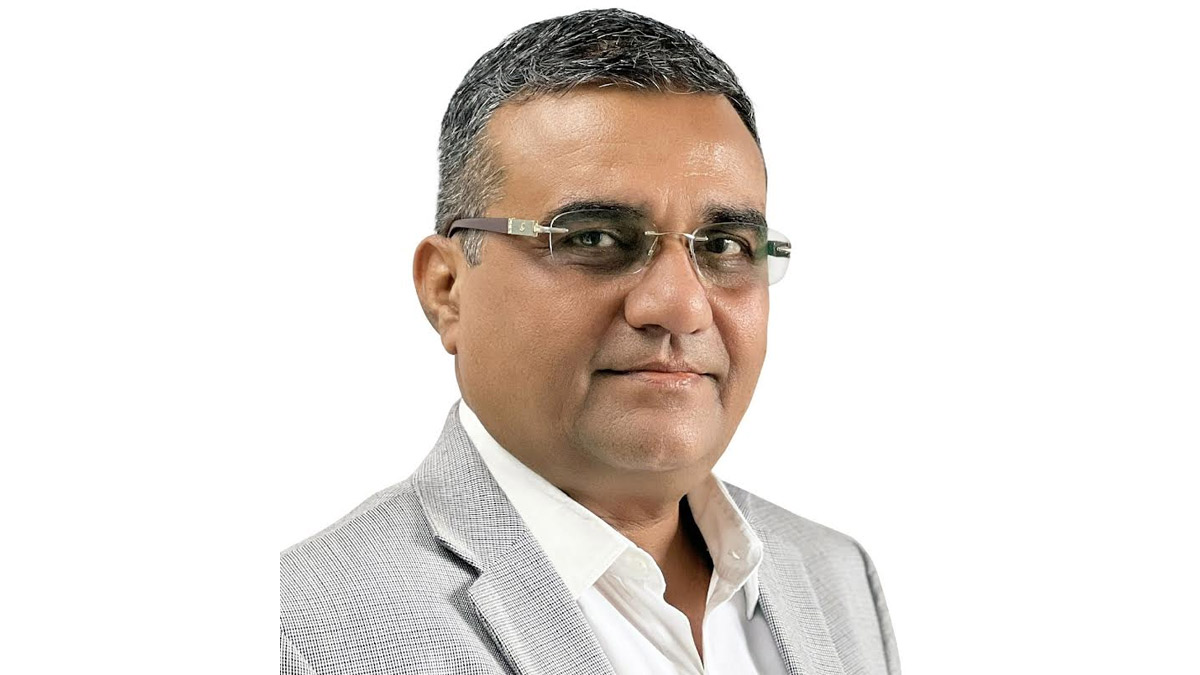
MUMBAI: A new chief, a fresh diagnosis and a sharper prescription for growth. Beacon Group has appointed Dr Rajesh Patel as its Group Chief Executive Officer, effective April 1, 2026, signalling a decisive push to scale its presence in the diagnostics and IVD space. Patel steps into the role with 36 years of experience across the healthcare and diagnostics industry, bringing a career shaped by leadership roles spanning sales, marketing, business development and operational strategy. His mandate is both expansive and precise: to steer the group’s overall strategic direction while tightening coordination across its three core entities Beacon Diagnostics, Vector Biotek and Biogeny Diagnostics.
In practical terms, that means driving cross-company synergies, accelerating market expansion and strengthening organisational capability areas increasingly critical as diagnostic players compete for scale in a fragmented yet rapidly evolving healthcare ecosystem. The group is positioning itself to capture unmet demand across chain laboratories, key accounts and standalone labs, segments that remain underserved despite growing diagnostic needs.
The appointment comes at a time when the In Vitro Diagnostics (IVD) sector in India is entering a more competitive and innovation-led phase, with companies focusing not just on product pipelines but also on service delivery, integration and customer-centric models. Beacon’s leadership appears to be betting that Patel’s execution-focused approach can help translate ambition into operational momentum.
Welcoming the appointment, Chairman Dr D K Joshi described Patel’s induction as a strategic move aligned with the group’s long-term vision, emphasising the role of leadership depth in navigating the next phase of growth.
For Beacon Group, the message is clear, in a sector where precision matters, leadership is the new differentiator—and this appointment is intended to set the tone for what comes next.






