MAM
P&G brand Pampers unveils new #DekhKeHiMaanege campaign


Mumbai: Pampers, the world’s leading baby care brand under the house of Procter & Gamble, has set a new benchmark of transparency, safety and innovation for consumers with its latest campaign #DekhKeHiMaanege, targeted at discerning parents.
Reaffirming the unbreakable trust parents place in Pampers Diapers, the new #DekhKeHiMaanege campaign film addresses all questions parents have about the diapers they use for their babies. Parents are often confused about which diaper to choose for their baby. Every brand is claiming several things, the internet is filled with recommendations and even the neighbours have a point of view. The film features actor Nakuul Mehta and vocalist Jankee Parekh along with prominent parent influencers Ambica Agarwal and Shivani Kapila Tyagi being taken on a tour around Pampers’ state-of-the-art diaper manufacturing unit in Mandideep, Bhopal to have them see for themselves how the brand manufactures its diapers. After all, parents Dekh Ke Hi Maanenge.
The group is guided by a Pampers expert who educates them about the 100+ safety, hygiene and quality checks and processes that are put in place to meticulously manufacture the diapers. This includes a zero human touch operation which means the first person to touch the diaper is the parent! The new parents also get to see how new and improved Pampers All Round Protection Pants perform better than other diapers to provide protection from rashes, up to 100% leakage lock and up to 12 hours long lasting absorption.

“As new parents, we know firsthand the challenges and concerns that come with choosing the right diaper for your baby. Pampers’ #DekhKeHiMaanege campaign was an eye-opener for us. Visiting the Pampers manufacturing facility and seeing the rigorous safety and quality checks they put in place was reassuring. It’s clear that Pampers is dedicated to providing the best for babies, and we can confidently say that after seeing it all, ‘Dekh Ke Maanliya’. We believe Pampers is the right choice for parents who want the best for their little ones.” said actor Nakuul Mehta and vocalist Jankee Parekh.
“At Pampers, we’ve always been committed to delivering the best care for babies. Our new #DekhKeHiMaanege campaign reinforces Pampers’ legacy as the gold standard in baby care, rooted in innovation, safety, and trust. With our new campaign film, we have raised the bar when it comes to being transparent with our consumers, further reaffirming their implicit trust in us,” said Procter & Gamble India VP president & category leader- babycare Chetna Soni. “We were delighted to welcome our new parents into our manufacturing plant and have them witness firsthand the entire process of making Pampers diapers. We hope that viewers of the film and all our consumers now know and understand why Pampers diapers are the leading choice for parents,” Soni added.
Pampers knows that leakage and rashes are the parent’s biggest diaper concerns. To prevent diaper rash, Pampers uses lotion with aloe vera that serves as an anti-rash blanket. For leakage, especially in the thigh area, Pampers puts in place double protection leak guards in the thigh cuff area. The magic gel in a Pampers diaper not only absorbs not only absorbs up to 100% of the liquid but also locks it in for up to 12 hours. These diapers have no added chemicals, making them completely safe for babies.
Through the film, Pampers gives the message to viewers that it understands these worries and has addressed each and every one of them at its manufacturing facility.







Brands
Vodafone Idea elevates Vineeth Jayendranath as VP, marketing head Mumbai
Telecom marketer takes charge of Mumbai circle with growth and brand focus
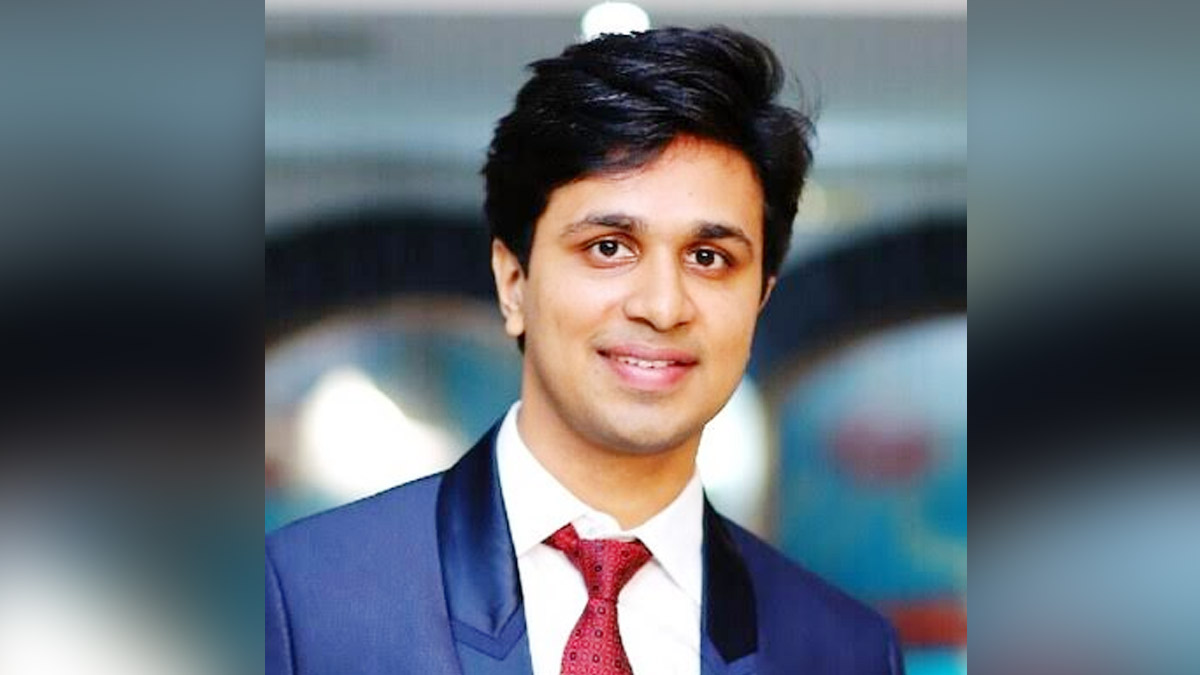
MUMBAI: Vodafone Idea Limited has promoted Vineeth Jayendranath to vice president, marketing head for the Mumbai circle, marking a key milestone in his career as the telecom operator sharpens its regional strategy.
In his new role, Jayendranath will lead marketing efforts across prepaid and postpaid segments in one of the country’s most competitive telecom markets. His mandate includes driving revenue growth, strengthening brand positioning, and deepening customer engagement, while also managing profit and loss responsibilities for the circle.
Sharing the update, Vineeth Jayendranath said, “Excited to share, I am starting my new stint as Vice President, Marketing Head for Mumbai circle at Vodafone Idea Ltd. Would like to thank everyone who has supported me in this journey.”
Jayendranath brings over 12 years of experience spanning telecom and IT, with a strong focus on customer value management and data-led marketing. Since joining Vodafone Idea, he has held multiple leadership roles, most recently serving as general manager leading customer value management and prepaid business across Gujarat, Maharashtra and Goa.
During this period, he handled large subscriber bases and multi-billion rupee revenue portfolios, while rolling out hyper-personalised campaigns and a “segment of one” strategy to improve customer retention and upgrades. He also championed a digital-first approach, pushing adoption of data services and unlimited plans through targeted, insight-driven initiatives.
Earlier, he worked with Idea Cellular Ltd in strategy and business intelligence roles, and began his career at Infosys as a systems engineer. A brief stint at Hyundai Motor India Ltd during his internship added early exposure to marketing strategy.
An alumnus of SVKM’s Narsee Monjee Institute of Management Studies, Jayendranath has steadily built a reputation for combining analytics with marketing execution.
His elevation comes as telecom players double down on circle-level strategies to stay competitive, and Vodafone Idea appears to be betting on data-backed marketing to keep Mumbai firmly in its corner.







