Brands
PepsiCo’s new brand identity swaps its stripes for smiles

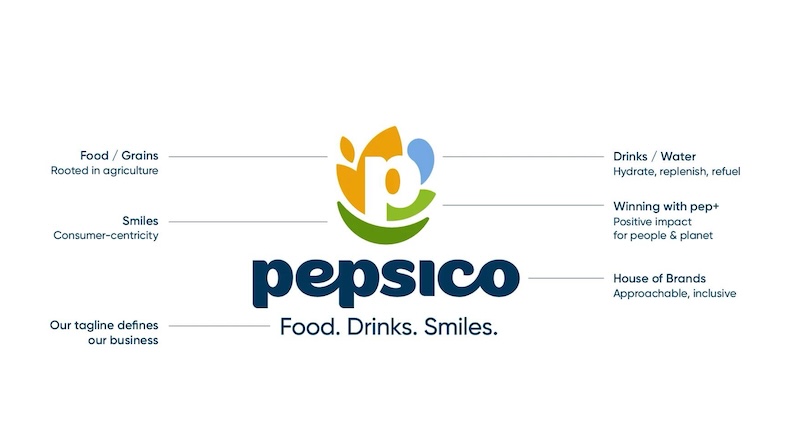
NEW YORK: PepsiCo has binned the branding it has worn for a quarter-century. Out with the old, in with the grin. The company’s fresh corporate identity, unveiled on 28 October, marks its biggest visual shake-up since the turn of the millennium—a deliberate signal that this is no longer just the fizzy-drinks firm your parents knew.
Sixty years after Pepsi merged with Lay’s, the empire has swelled to more than 500 brands—Tostitos, Gatorade, Quaker, Siete, poppi—and 300,000 employees. It peddles snacks and beverages from Kansas corner shops to Cairo kitchens, from São Paulo’s streets to Shanghai’s stores. Yet only 21 per cent of consumers can name a PepsiCo brand beyond Pepsi itself. Chairman and chief executive Ramon Laguarta reckons the rebrand will fix that. “Our new identity boldly reflects who we are in 2025: a company with expansive reach, aiming for positive impact across the globe,” he says.
The new logo plants a “P” at its centre, hemmed in by shapes representing consumer focus, sustainability and taste. A custom typeface in lower case softens the corporate edge. The colour palette draws from earth tones and vivid hues—soil, drinks, planet, people. And lurking beneath it all: a smile. That grin anchors the company’s new three-word mantra: “Food. Drinks. Smiles.”
Chief consumer and marketing officer and chief growth officer for international foods Jane Wakely calls it “a beautiful expression of both who we are as a company today and our aspiration for the future.” The smile, she insists, signals an “obsession with consumers” that will fuel growth.
The rebrand will roll out gradually across PepsiCo.com, LinkedIn, Instagram, YouTube and TikTok, then seep into packaging, workplaces and signage worldwide. Whether it prompts consumers to smile back—or simply reach for a rival’s crisps—remains to be seen.








Brands
Beep App launches Gen-Z career platform, clocks 30,000 plus placements
Pune startup turns scrolling into career action with learn-explore-earn model
PUNE: Beep App has rolled out its newly positioned career-focused app aimed at Gen-Z users, as it looks to bridge what it calls a growing gap between exposure and employability among young Indians.
Formerly known as EventBeep, the platform is built around a simple but timely idea: turning everyday scrolling into meaningful career action. The app targets students and early professionals, offering a unified space to explore career options, learn relevant skills and access internships and job opportunities.
At a time when short-form content dominates screen time, Beep is attempting to flip the script by embedding structured, career-oriented insights within a familiar scroll-based interface. The idea is not to disrupt user behaviour, but to redirect it.
The platform spans a wide range of fields, including artificial intelligence, product management, design and data analytics. It provides users with insights into role expectations, required skills and step-by-step career pathways, supported by inputs from industry practitioners.
At the heart of the offering is a “learn, explore, earn” model that integrates discovery, skill-building and hiring into one ecosystem. The company says this closed-loop approach is already gaining traction, with over 30,000 placements facilitated so far.
“Gen-Z does not lack ambition; what they often lack is structured direction,” said Beep App founder and CEO Saurabh Mangrulkar. “The Beep App is designed to organise that exposure into actionable pathways so users can move from intent to execution with greater confidence.”
The launch comes amid a broader shift in India’s job market towards skills-first hiring, where practical experience and demonstrable capabilities are increasingly valued alongside academic qualifications.
Founded in 2021, Beep App has grown steadily within the student ecosystem, connecting over 6.5 million users with opportunities across more than 1,500 colleges and 7,800 hiring companies.
Looking ahead, the company plans to deepen its content across emerging sectors, expand its hiring network and build more personalised career pathways tailored to user behaviour.
As Gen-Z continues to navigate a complex and fast-evolving job market, platforms that can turn curiosity into clarity may well shape the next wave of career discovery.






