Brands
Paytm Insider introduces interactive streaming to its creator tools


KOLKATA: In a latest update to its self-publish ticketing solution, Paytm Insider now provides video streaming capabilities with interactivity for events. Organisers can create, ticket, host events and control engagements during the event from the same self-publish creator tool in use for listing events by thousands of creators and artists across the country.
Events on interactive streaming come with live chat, emoji reactions and various engagement options during the event such as Q&A sessions, polls and fill in the blanks. Videos can be live streamed from a streaming software and creators can also plug in pre-recorded content with ease. The latter comes handy for event formats with high production values such as music concerts. The solution supports 4K resolution videos and 360-degree VR videos as well, enabling organisers to think beyond webinar formats.
Paytm Insider CEO Shreyas Srinivasan says, “Over the last few months, we’ve released product updates that helped ease the transition from listing physical events to ticketed digital event solutions for organisers. Our next set of features focus on raising the experience of a digital event. Our intent is not to replicate a physical event experience online but go after its core premise. At the end of the day, events are social experiences and the more we bring the sentiment of community and conversation, the faster a user will acclimatize to and adopt digital events.”

Paytm Insider’s pilot events with interactivity have included a virtual-reality based music concert 'Retrofuture' featuring Nucleya, Anish Sood and Ritviz which 6000+ fans from all across India tuned in for, a live quiz 'Tough Questions' with popular comics Kanan Gill and Abish Mathew, and a listening session with Nikhil D’Souza on the launch of his new EP – 'Waqt'.


Brands
YES Bank appoints S Anantharaman as chief risk officer
Former Jio Financial Services group chief risk officer takes charge of enterprise-wide risk at the embattled private lender
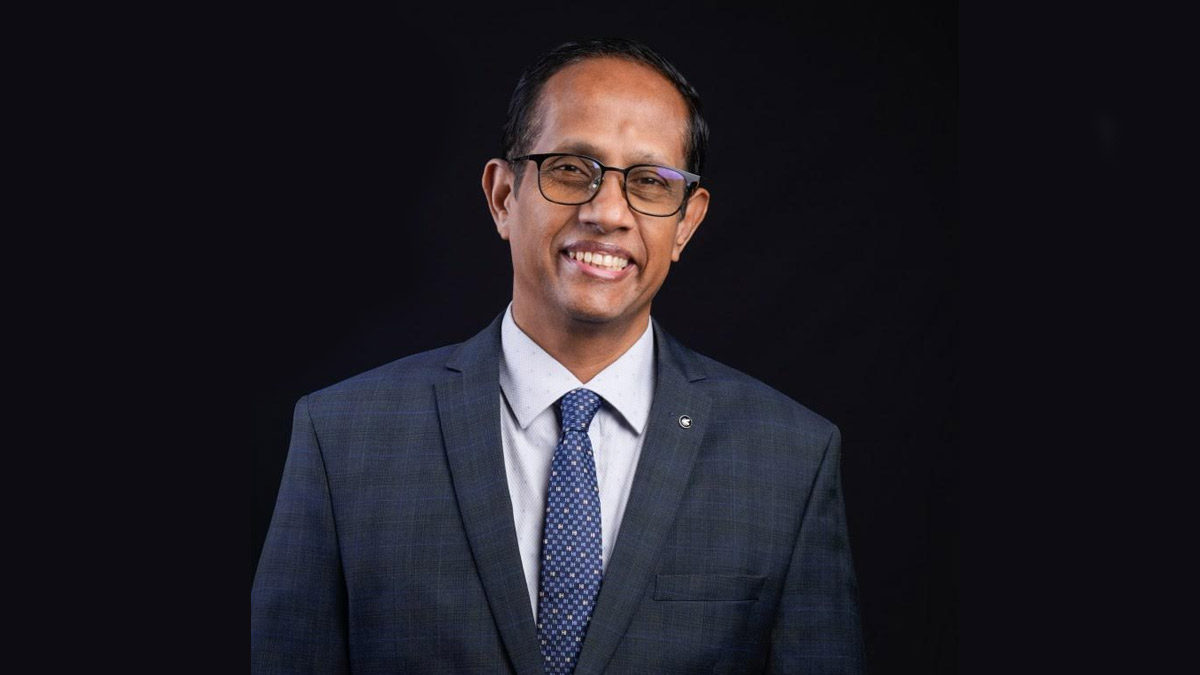
MUMBAI: YES Bank is not taking chances with risk anymore. The private lender has appointed S Anantharaman as its chief risk officer, a hire that signals the bank’s continued effort to rebuild credibility and tighten the controls that once famously slipped.
Anantharaman arrives from Jio Financial Services, where he served as group chief risk officer and built a risk management architecture spanning lending, payments, insurance broking and asset management from the ground up. Before that, he held the chief risk officer role at Bank of Baroda and senior leadership positions at HDFC Bank and L&T Finance Holdings. Three decades in banking and financial services, in other words, with scars and qualifications to match. He is a chartered accountant and a CFA charterholder.
At YES Bank, his brief is considerable. Anantharaman will oversee the bank’s entire enterprise-wide risk framework, covering credit policy, market risk, operational risk, information security, data governance, analytics, model governance and data privacy. It is, in short, every lever that matters when a bank is trying to prove it has grown up.
YES Bank’s turbulent past needs little rehearsing. What it needs now is exactly what Anantharaman has spent thirty years building: the kind of risk culture that stops problems before they become headlines. The appointment suggests the bank knows it.






