MAM
OPPO launches ‘The chronicles of Sharma-Verma’ digital campaign

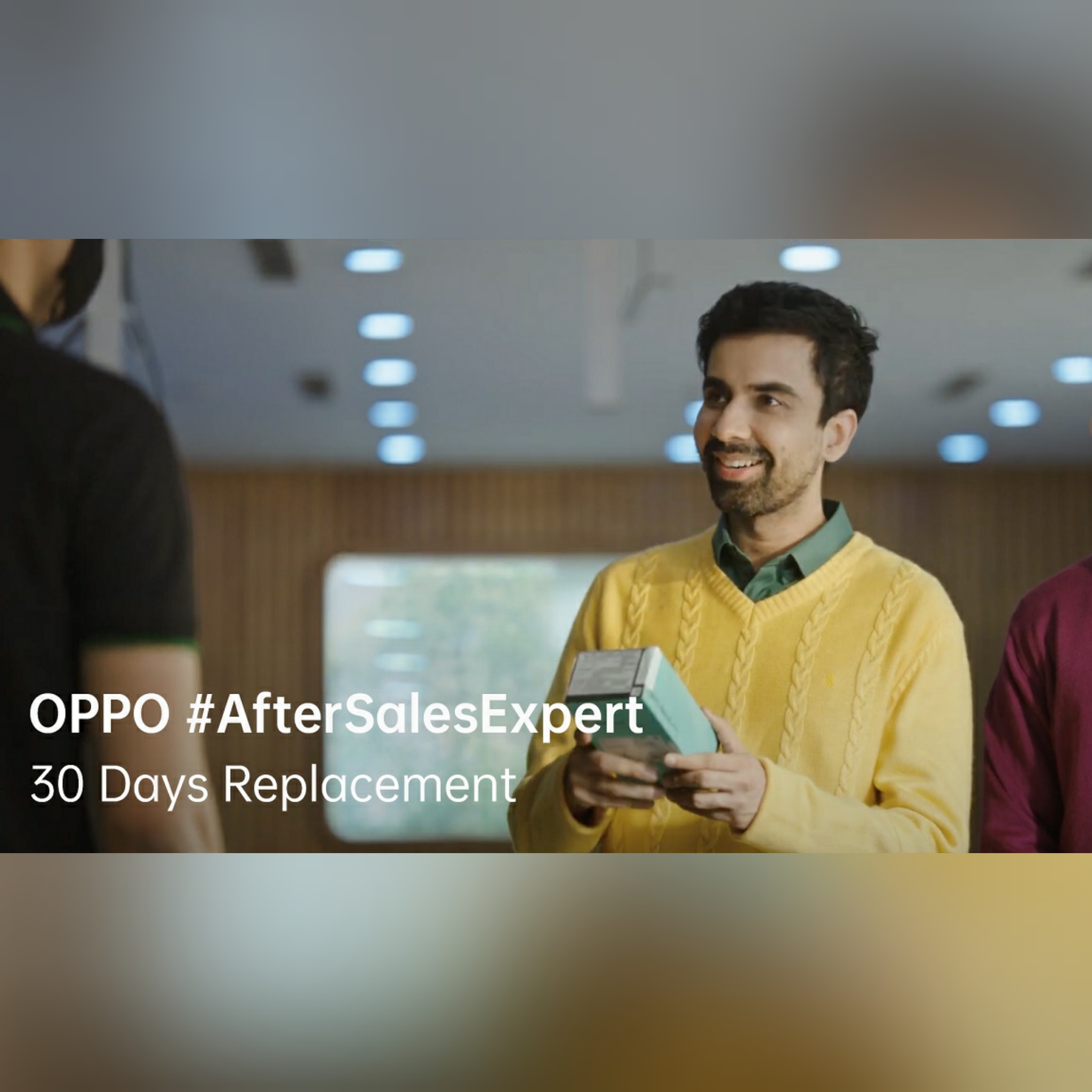
Mumbai: OPPO India introduced three digital films capturing the chronicles of ‘Sharma-Verma’ to highlight its commitment to provide the best after-sales services for customers.
Conceptualised by Havas Creative, the three digital films aptly connect different aspects of everyday situations, giving a deeper meaning to ‘service’ while tying back to the importance of convenience and ease in a customer’s life.
The campaign featuring two characters namely, Sharma and Verma, also promises to take its viewers on a journey with the duo to the store for them to experience OPPO’s after-sale services and highlight how easy and reliable the whole repair/inspection process is. Capturing small elements of quirkiness, the films highlight the exceptional and fast after-sale service offered by OPPO. Highlighting features such as free inspection, 30 days replacement, and quick service and repair, each video showcases the functional benefits of each of these services.

Commenting on the TVC launch, OPPO India, chief marketing officer, Damyant Singh Khanoria said, “Customer-centricity is at the core of everything we do at OPPO. The campaign showcases the brand’s customer-first approach, attention to detail, and quick resolutions resulting in exemplary service our customers always count on. We would like to thank our partners for their relentless support in helping OPPO go the extra mile and raising the bar for after-sale services.”
The campaign is in line with the high rate of customer satisfaction OPPO received over the years through impeccable services. The brand currently has 500+ service centres spread across 500+ cities, forming the brand’s premium experience in after-sales service. OPPO strives to provide a comprehensive customer experience across its customer base.
Havas Group India, chairman & chief creative officer, Bobby Pawar said, “After-sales service is a serious business, but if you look at the reasons for which one visits the service center, you’d find it ranging from silly to unfortunate. And you thank the good lords at OPPO for rescuing your phone from any such incident. The ads begin on a funny note and slowly veer towards a serious note- that of OPPO keeping its word to its customers, and that’s what we wanted to bring alive – whatever life throws at your phone, OPPO is there to take care of it.”
A recent report by Counterpoint highlighted that OPPO leads the top spot in after-sales service experience with 93 per cent of the respondents rating their experience as ‘very good’ or ‘excellent’. Additionally, the lowest waiting time was recorded among OPPO customers with half of the respondents being attended within just 15 minutes of their arrival, the brand stated.
OPPO is leading in customer support with most of the users receiving status updates through WhatsApp and SMS. As per the study, OPPO was the fastest in turn-around time during after-sales delivery and maintained the most updated inventories, it added.
https://bit.ly/3BcPHP1





MAM
Tata Communications CEO A S Lakshminarayanan retires
Seasoned leader hands over reins after guiding the company through key growth years.
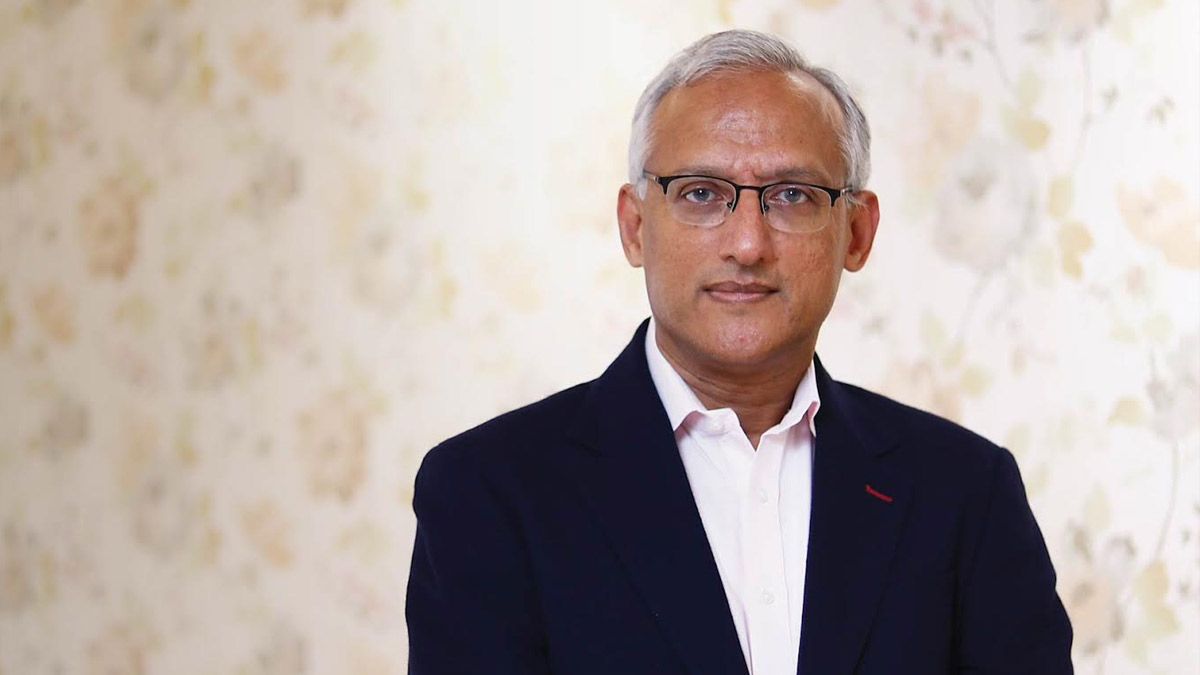
MUMBAI: Tata Communications is turning a new page and this time, the chapter is being written by a fresh voice from the same trusted book. The company has announced the retirement of its managing director and chief executive officer, A S Lakshminarayanan, effective at the close of business on 13 April 2026. Lakshminarayanan’s departure marks the end of a significant chapter in the company’s leadership journey.
The board expressed appreciation for his contributions during his tenure, acknowledging the role he played in shaping the organisation. In January 2026, the board had already appointed Ganesh Lakshminarayanan as managing director and CEO (Designate), ensuring a smooth leadership transition.
Ganesh Lakshminarayanan brings over three decades of experience across domestic and global enterprises. He currently serves as Managing Director and Group Vice President at ServiceNow India, where he has focused on driving enterprise adoption of AI-led digital transformation and strengthening go-to-market capabilities. Prior to this, he led Bharti Airtel’s enterprise business as CEO of Airtel Business and earlier headed its Enterprise division. His career also includes roles as Chief Operating Officer at Capillary Technologies, along with advisory positions at Ernst & Young and Sequoia Capital.
The transition reflects Tata Communications’ focus on continuity while bringing in fresh perspectives to navigate the rapidly evolving digital infrastructure landscape.
In the fast-moving world of global communications, leadership changes are like well-timed signal switches necessary to keep the network strong and the journey smooth. As A S Lakshminarayanan steps down, Ganesh Lakshminarayanan steps up, ready to carry forward the legacy while steering the company into its next phase of growth.







