MAM
Only 3% of brands in Tamil Nadu advertise on both TV and digital


MUMBAI: Marketers advocated for the need to create ads simultaneously for television as well as digital to penetrate deeper in regional markets like Tamil Nadu, at the recently concluded Tele-Wise Tamil 2019. The event was organised by Indiantelevision.com to acknowledge the vast pool of opportunities Tamil television has for brands and advertisers in Chennai on 6 August.
On the panel were Lodestar UM EVP Laya Menon, Matrimony.com AGM marketing communications Akhil Jain, Paytm Travel GM brand marketing Bhushan Walzade, TAM Media Research VP Tam Axis Vinita Shah, TVS Auto Assist India head marketing Mahima Singh, and Wavemaker general manager Rajendra J Prasad. It was moderated by Bodhitree Multimedia co-founder & Director Mautik Tolia.
Speaking on the panel, discussing the might of the Tamil market for national and regional advertisers, Menon said, “Hetero-TV consumption is a trend not just in Tamil Nadu but also other South Indian markets. Thus, to optimise the reach of any campaign, we have seen while the reach tends to start with TV, the digital medium adds anywhere between 7-10 per cent to it. And this is just the AV medium I am talking about. To top that, we have other layers like social media platforms. The fact is that the market is now screen-agnostic. TV sells the opportunity and the added advantage comes from online content that has to be fairly customised for the market on a language-basis, which adds a significant amount of measurable reach.”

Jain, who admitted spending around 80 per cent of his ad spends on TV, shared the example of his own brand as he elaborated more on the concept. He said that he has seen campaigns that run both on TV and digital performing better than the ones that ran just on the latter.
He said, “I believe that there is a huge synergy between digital and television. As you know, ours is a digital-first platform. With our marketing communications, we ask people to download our app. Now, there is this two-screen theory, which says that even while people are watching TV, they have their phones with them. So, whenever our ad pops up on TV, and the person is using the phone, we serve them the communication on digital medium too, for example, on Facebook.”
Jain added that it increases the rate of conversion for their app, adding more users. He mentioned that he has observed a positive blip in the number of registrations on the app when the ad is running simultaneously on both platforms.
Walzade shared similar thoughts as he noted, “I think that the digital medium is growing very fast now. It makes it very important for us to 360-degree campaigns. At Paytm, especially with our travel business, we don’t only put TVCs on national and regional TV, but are also going big on social media.”
Speaking about the Tamil Nadu market, Walzade added that the state is in top 3 when it comes to internet penetration and the literacy rate is also quite high there. The acceptance of new technologies there is leading to the thriving of e-commerce industry and it really helps us in investing in media and reaching to consumers.
However, Shah noted that despite there being a great understanding of the need to advertise on multiple platforms only 2.5-3 per cent of advertisers in Tamil Nadu advertise on both TV and digital. She urged the community to recognise this big gap in the synergy between TV and digital and try to fill it.
Another insight that came out through the session was the importance of creating content in simple and relatable language for the regional audience. The speakers insisted that national advertisers create simultaneous campaigns for the regional markets to assure better results for their campaigns.
Singh said, “One’s approach should be really regional when it comes to connecting with the regional audience. National advertisers should look at creating content that is more local and is closer to the audience.”
She also emphasised the need to understand the audience’s AV-viewing patterns and recognise at what time they are accessing content on what platform for better targeting. Prasad seconded her thoughts as he advocated for the creation of customised and bespoke brand codes for each region.






MAM
WPP appoints Estée Lauder’s Anne-Isabelle Choueiri as chief transformation officer
Former Estée Lauder executive to lead operations, technology and culture overhaul under WPP’s three-year growth plan
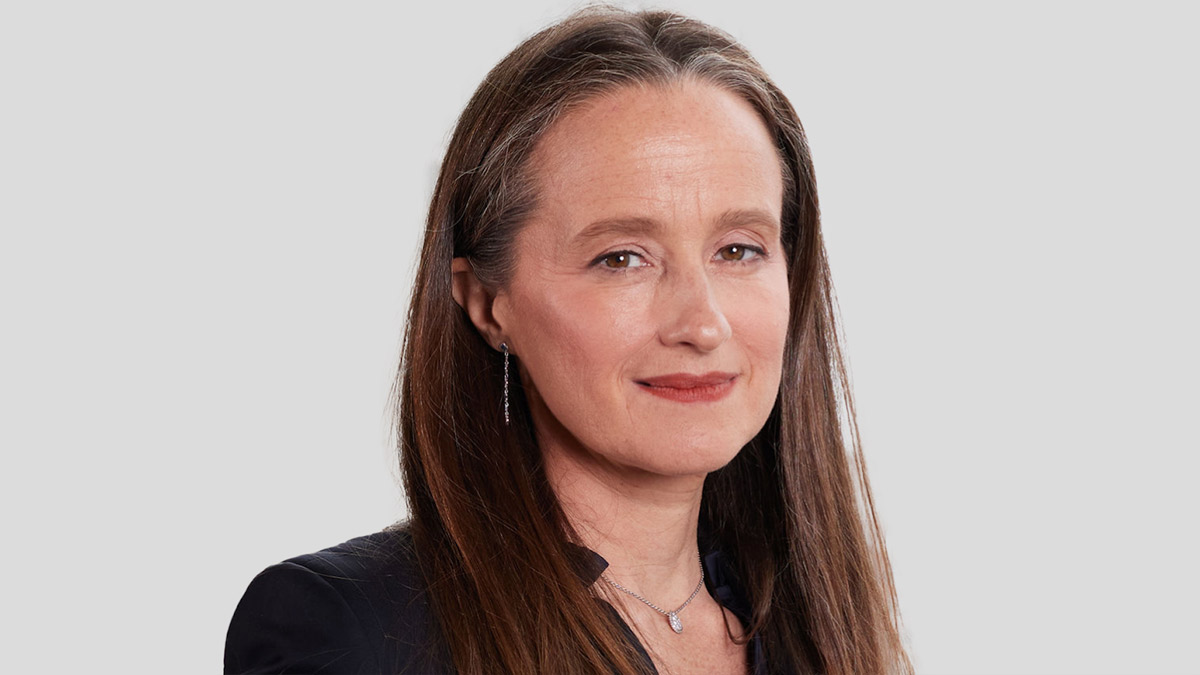
LONDON: WPP has appointed Anne-Isabelle Choueiri as chief transformation officer in a newly created role tasked with delivering the group’s Elevate28 strategy.
Choueiri joins from The Estée Lauder Companies, where she led enterprise-wide strategic initiatives, including the “One ELC” operating model and major upgrades to enterprise marketing, data and analytics capabilities. She also led the redesign of enterprise technology teams and served on the company’s AI taskforce, driving AI strategy, adoption and value realisation across the business.
At WPP, she will be responsible for designing, implementing and embedding the operating model behind Elevate28, the company’s three-year growth plan unveiled in February 2026. She will lead efforts to improve innovation, efficiency and integration across WPP’s client offerings, with a focus on delivering agile, outcome-driven solutions and measurable growth.
Choueiri will oversee organisational transformation across the group, working closely with product and enterprise technology teams to deploy AI, data and technology to build new capabilities and improve operational performance. She will also work with the people function to embed cultural change, strengthen an agile performance mindset and support talent development across the organisation.
Before joining Estée Lauder, she held senior roles across consulting and digital agencies, including at Accenture, Masaï (a Bain & Company spin-off), and Kearney, with experience spanning strategy, data and digital marketing transformation.
Cindy Rose, chief executive officer of WPP, said Choueiri brings a strong track record of leading large-scale transformation across operations, technology and culture, adding that her appointment will help accelerate the group’s next phase of growth under Elevate28.
Choueiri said WPP’s strategy represents an ambitious opportunity to reshape how the company operates and delivers for clients, adding that she looks forward to building integrated solutions and fostering a culture of innovation and change.
She will be based in New York and will join WPP’s executive committee.







