MAM
Only 26% of global marketers are confident in their audience data: Nielsen study


Mumbai: The digital dominance in marketing dollars notwithstanding, with continued digital fragmentation, marketers report data accuracy, measurement, and ROI as paramount concerns. While 69 per cent of marketers believe first-party data is essential for their strategies and campaigns, 72 per cent of marketers believe they have access to quality data, and only 26 per cent of global marketers are fully confident in their audience data, according to the global survey conducted by Nielsen.
Nielsen’s 2022 annual marketing report titled ‘Era of Alignment’ surveyed nearly 2,000 global marketers between December 2021 and January 2022 to reveal a digital dominance in how dollars are being spent and exposed marketers’ lack of confidence in the data behind those decisions. As per the report, brands’ top priorities for 2022 are increasing brand awareness, breaking down measurement siloes, developing personalised strategies, and becoming more purpose-driven.
As marketers are prioritising a digital-first approach, the social media spend increased by 53 per cent across global marketers, significantly more than the aggregate increase of TV and radio spend. However, they have struggled over the past two years to keep up with consumers’ changing media habits. The report illustrates how marketers need confidence in their data to focus equally on brand building and customer acquisition, doing so through both upper-funnel and lower-funnel planning and execution.

The ‘Era of Alignment’ report found marketers around the world are experiencing similar areas of success and challenges, as shown by:
Brand awareness is marketers’ top objective: To reach this goal, brands need to leverage an array of channels to reach the widest audience. Nearly two-thirds (64 per cent) of respondents stated that social media is the most effective paid channel with TikTok and Instagram dominating spend. Customer acquisition is their second objective, showing that marketers must focus efforts on the entire customer journey.
Increased media fragmentation amplifies the need for holistic measurement: Marketers’ confidence in measuring the ROI of the full-funnel is only 54 per cent. Remove online and mobile video and confidence in measuring ROI across all other channels are under 50 per cent globally, and while nearly half of marketers plan to increase their spending on podcasts, their confidence in measuring the ROI of that investment is 44 per cent.
It’s vital for marketers to use data to champion personalised marketing strategies: The increasing proliferation of channels produces an abundance of unique data sets. However, 36 per cent of marketers still claim that data access, identity resolution, and deriving actionable insights from data is either extremely or very difficult. The rise of connected TV (CTV) presents new challenges to traditional targeting solutions. CTV is a growing focus for global marketers, with 51 per cent planning to increase their over-the-top/CTV spending in the coming year. In 2021, Americans streamed almost 15 million years’ worth of content across subscription- and ad-supported platforms.
Also Read: Connected TV: A growing market in India
By placing a greater emphasis on purpose-driven initiatives, marketers can better connect with consumers: Nielsen research shows over half of US consumers (52 per cent) purchase from brands that support causes they care about; similarly, more than 36 per cent expect the brands they buy to support social causes. While global marketers say their brands are emphasising purpose, Nielsen data shows that 55 per cent of consumers aren’t convinced that brands are fostering true progress.
“The research reaffirms that marketers want to put money into channels to deliver immediate ROI, but this must be balanced with overall brand lift. As media engagement shifts, agility and data are critical to optimise the entire marketing funnel,” said Nielsen chief marketing and communication officer Jamie Moldafsky. “With the upcoming depreciation of third-party cookies, it’s understandable to see marketers prioritising personalisation and aligning their brand with causes their customers care about. Through our solutions – and this report – we’re continuing to help brands and marketers get actionable insights to make more informed, and quicker decisions.”
This is the fifth annual marketing report produced by Nielsen. “The report is based on survey responses from marketers who manage marketing budgets $ one million or more; who work across a variety of industries (auto, financial services, FMCG, technology, health care, pharmaceuticals, travel, tourism, and retail); and whose focus pertains to media, technology, and measurement strategies,” according to data and market measurement firm.







Brands
Emami names Dhruv Aggarwal as chief growth officer
Former Bain partner steps in as FMCG firm sharpens growth playbook
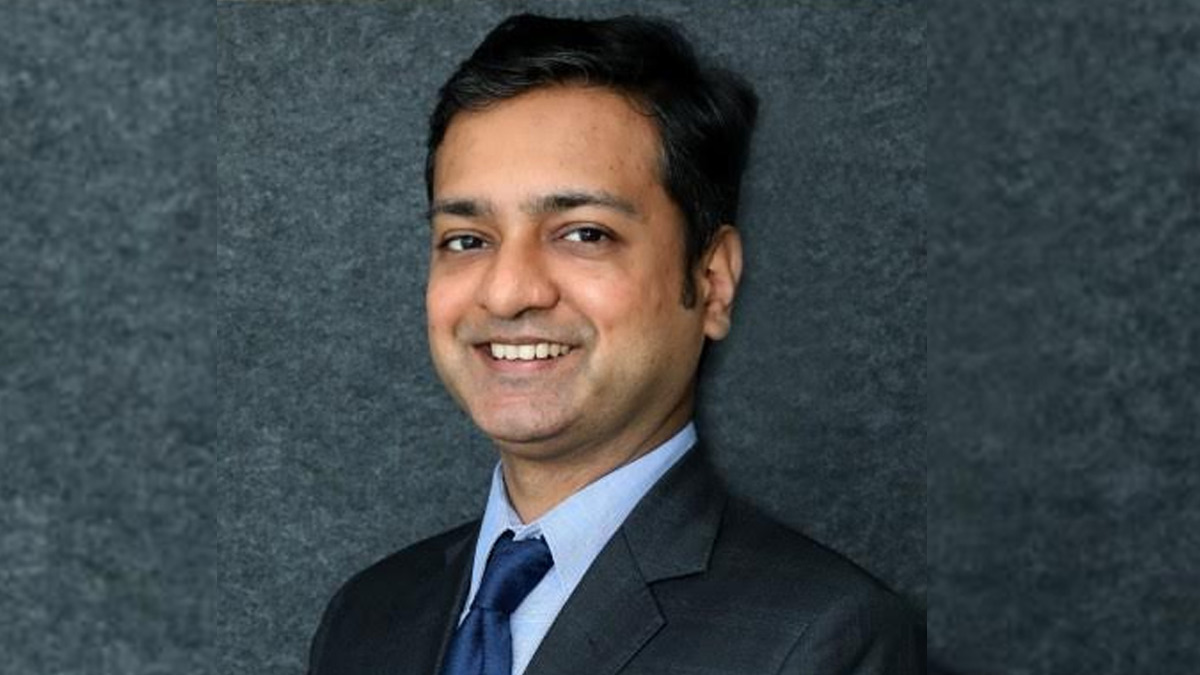
MUMBAI: Emami Limited has appointed Dhruv Aggarwal as its chief growth officer, effective 25 March 2026, following the resignation of Giriraj Bagri.
Aggarwal joins the FMCG major from Bain & Company, where he most recently served as partner. With over two decades of experience across consulting and strategy, he brings a global perspective shaped by work across India, the US, the UK and Germany.
During his tenure at Bain, Aggarwal advised consumer, retail and media companies on large-scale transformations, business turnarounds and growth strategies. He was also closely involved with India’s startup ecosystem, guiding early-stage ventures on scaling and digital expansion, while supporting private equity and venture capital firms on investment decisions.
His earlier stints include a brief role at Barclays Capital and operational experience at Jindal Power, giving him a mix of financial and industry exposure.
Academically, Aggarwal holds an MBA from Indian Institute of Management Bangalore and has also been associated with University of Illinois Urbana-Champaign as a PhD candidate and teaching assistant.
The appointment comes at a time when Emami Limited is looking to sharpen its growth strategy in a competitive consumer market. With a seasoned strategist now at the helm of growth, the company appears set to double down on transformation and expansion in the months ahead.








