MAM
Om Jha levels up: From Pepsico prodigy to global media maestro


MUMBAI: Five and a half years ago, Om Jha took his first sip of Pepsico’s high-energy corporate culture—nervous, excited, and ready to shake things up. Now, with a portfolio of impactful marketing, media, and data-driven campaigns under his belt, he is stepping into the future with a brand-new role in the company’s global media & transformation team. From Gurgaon to Plano, Texas, Jha’s journey has been nothing short of fizz-tastic. But what’s next? Let’s pop the cap and find out.
“I was stepping in to do something I had never done before,” Jha reminisced about his early days at Pepsico. “Thanks to Vishal Kaul for hiring me and introducing me to the world of possibilities, and thanks to George Kovoor and Anshul Khanna for letting me define my own role with every passing year.”
Jha didn’t just dip his toes into the Pepsico pool—he dived in headfirst. As head of media & partnerships (2019–2022), he spearheaded efforts to connect Pepsico’s legendary brands with consumers using a potent mix of media, data, and technology. He led high-stakes advertising and marketing negotiations, ensuring every penny squeezed out more efficiency and effectiveness.

By 2022, he stepped up as director – media, data, marketing capabilities & partnerships. Here, he architected a robust first-party data-led marketing infrastructure, setting the stage for cutting-edge digital campaigns and award-winning brand partnerships.
Fast forward to March 2025, and Jha is now embracing his biggest role yet—director of global media capabilities. This new challenge places him at the intersection of global strategy and transformation, a role tailor-made for someone who thrives on the ever-evolving media landscape.
But Pepsico is just one stop in Jha’s dynamic career. Before this, he was assistant vice president – customer strategy at Disney Star (2018-2019), where he led the strategy vertical for the northern region, handling TV and digital ad sales revenue across multiple entertainment portfolios. Prior to that, he spent nearly two years as senior director – strategy at GroupM, simplifying media and technology for brands while driving insights-based performance marketing.
Jha’s journey also took him through the telecom world. At Airtel (2015-2016), he headed business planning & consumer insights for the Delhi circle, overseeing operational strategy, financial planning, and product pricing. Before that, he honed his consulting expertise at KPMG India (2014-2015), managing large-scale business transformation projects.
His early career included a five-year stint at Idea Cellular Ltd, where he worked as chief of staff in the MD’s office, focusing on corporate strategy and operations. He also gained experience in engineering and manufacturing at Mahindra Group (2005-2007), before transitioning into business roles.
“A huge thank you to Shyam Venugopal and Abhishek Jadon for this opportunity,” Jha said, his excitement as palpable as the fizz in a freshly opened Pepsi can.
Corporate careers are a bit like carbonated drinks—always under pressure, occasionally shaken, but ultimately, they’re all about making a splash. And if Jha’s track record is anything to go by, he’s about to pop the lid on something truly groundbreaking.







MAM
WPP appoints Estée Lauder’s Anne-Isabelle Choueiri as chief transformation officer
Former Estée Lauder executive to lead operations, technology and culture overhaul under WPP’s three-year growth plan
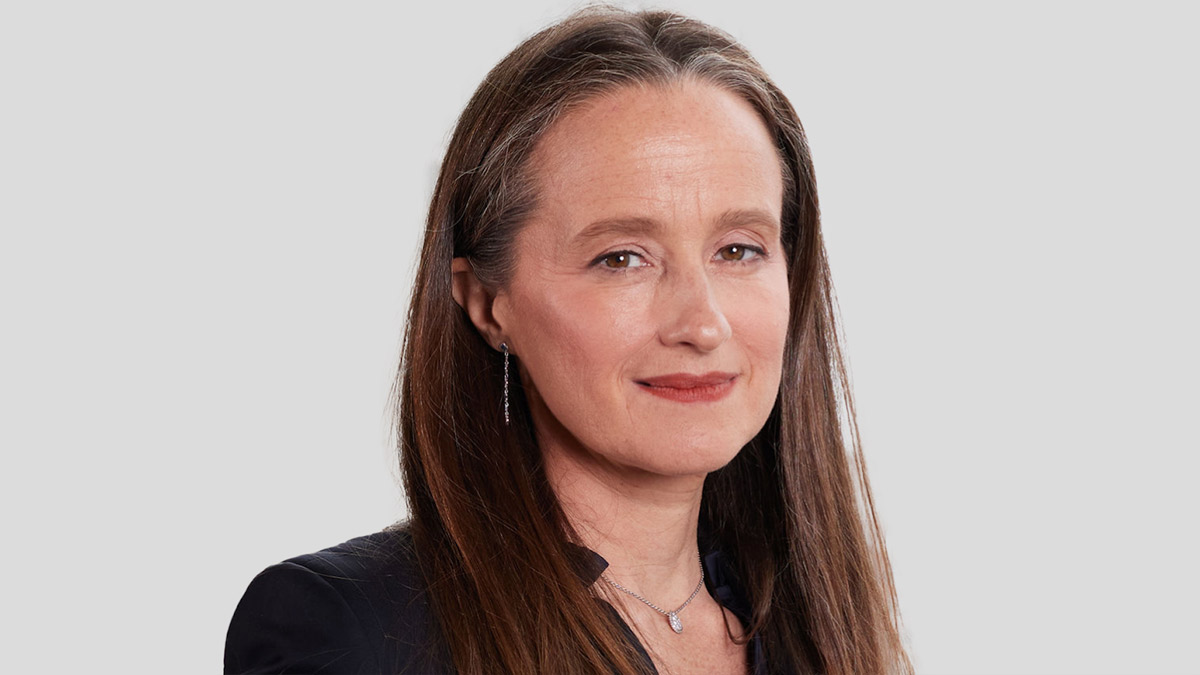
LONDON: WPP has appointed Anne-Isabelle Choueiri as chief transformation officer in a newly created role tasked with delivering the group’s Elevate28 strategy.
Choueiri joins from The Estée Lauder Companies, where she led enterprise-wide strategic initiatives, including the “One ELC” operating model and major upgrades to enterprise marketing, data and analytics capabilities. She also led the redesign of enterprise technology teams and served on the company’s AI taskforce, driving AI strategy, adoption and value realisation across the business.
At WPP, she will be responsible for designing, implementing and embedding the operating model behind Elevate28, the company’s three-year growth plan unveiled in February 2026. She will lead efforts to improve innovation, efficiency and integration across WPP’s client offerings, with a focus on delivering agile, outcome-driven solutions and measurable growth.
Choueiri will oversee organisational transformation across the group, working closely with product and enterprise technology teams to deploy AI, data and technology to build new capabilities and improve operational performance. She will also work with the people function to embed cultural change, strengthen an agile performance mindset and support talent development across the organisation.
Before joining Estée Lauder, she held senior roles across consulting and digital agencies, including at Accenture, Masaï (a Bain & Company spin-off), and Kearney, with experience spanning strategy, data and digital marketing transformation.
Cindy Rose, chief executive officer of WPP, said Choueiri brings a strong track record of leading large-scale transformation across operations, technology and culture, adding that her appointment will help accelerate the group’s next phase of growth under Elevate28.
Choueiri said WPP’s strategy represents an ambitious opportunity to reshape how the company operates and delivers for clients, adding that she looks forward to building integrated solutions and fostering a culture of innovation and change.
She will be based in New York and will join WPP’s executive committee.







