MAM
OLX.in launches a new campaign to strengthen its ‘Bech De’ proposition

NEW DELHI: OLX.in has launched a new TV campaign aimed at building and strengthening its ‘Bech De‘ proposition.
OLX‘s new campaign communicates the core OLX message of ‘Bech De‘ in interesting ways using the previous campaign ‘Badi Badi Baatein‘s‘ married couple‘s playful teasing route.
Conceptualised by creative agency Saatchi & Saatchi, the ad is an extension of the underlying value propositions of the brand – ‘Sab Kuch Bikta Hai‘ and ‘Badi Badi Baatein‘.

OLX.in CEO Amarjit Batra said, “Our new ads are a reflection of inputs and insights gained from listening to our users and Indian consumers and derived from real life situations among couples and the typical Indian household. These new ads convey a simple message through a humorous storyline. Whatever be your reasons to sell your pre loved or pre owned goods – whether you have liked something new or are hardly using it, the solution is to just ‘Sell it on OLX‘ (OLX PeBech De).”
The product highlighted in this ad is an expensive cruiser bike that is no longer being used in a manner promised by a husband to his wife while purchasing it. The beauty of story unfolds with the wife exaggerating the promises made and thus making the husband realise his folly.
A wife is shown serving morning tea to her husband who is dressed up in casual summer attire. She starts teasing her husband and pretends to shiver while saying, “Is saal Shimla mein kitni thand hai…nahin??” The husband is taken aback and tries to ensure if his wife is in good health. He reverts back, “Babush tum theek to hona? Hum Delhi mein hai, apne ghar.” The wife retorts and says, “Tum bhulgaye hum aaj hi to aaye hai Shimla” and clarifies by mentioning that they arrived on his Bike “Jo tumne do saal pehle kharidi thi, long rides jayenge etc etc.” The husband is annoyed and says, “To kya karun iss bike ko phenkdun?” The answer that follows from the wife is simple, “OLX pe bech de.” Instead of just talking, the protagonist is shown as acting upon the selling decision and transacting with an interested buyer by selling the bike in lieu of cash. This leaves the couple satisfied and ends the pitter-patter of words between them for good.
While the entire world progresses, so do you. This is a simple insight that is the crux of the second TVC. What is a loved and treasured material possession today might lose its charm tomorrow due to the availability of a better substitute. Simmering tension between a couple unfolds into a situation that was nothing more than playful bickering over a TV that needed to be upgraded.
The TVC opens to a cricket-loving husband watching the match on a LCD TV, comfortably seated on a couch in his living room. His wife Sweety returns home hands full of grocery and gives a disappointed look to her husband. She says “Kabeer, hume ab baat karni chahiye”; obviously not very happy to see the husband relaxing while she is doing the household chores. Kabeer, deeply engrossed in the match, reverts “Haan karte haina.” A serious discussion follows and the wife opens her heart out, “Mujhse aur bardaasht naheen hota.” Kabeer cajoles her,”Par Sweety tumne promise kiya tha ke tum ek bar toh koshish karogi.” Sweety confesses her new love and reveals, “Mera dil kisi aur pe aagaya hai.” Kabeer concludes, “Koi baat nahi Sweety, TV ko OLX pe bech de.” Even in this TVC the entire transaction is highlighted and the TV is sold to a person who collects it from their home and pays the couple cash for it.
Batra added, “India is a one of the key markets for OLX and we are investing in growing this market. We strive towards delivering high quality marketing communications that builds an emotional connect with our users and positions us a thought leader in this space.”
The TVC is integrated with Radio, OOH and social media to make it more substantial.






MAM
Ameya Velankar steps down as Uber’s head of marketing for India & South Asia
Veteran marketer exits after more than seven years with the ride-hailing giant.
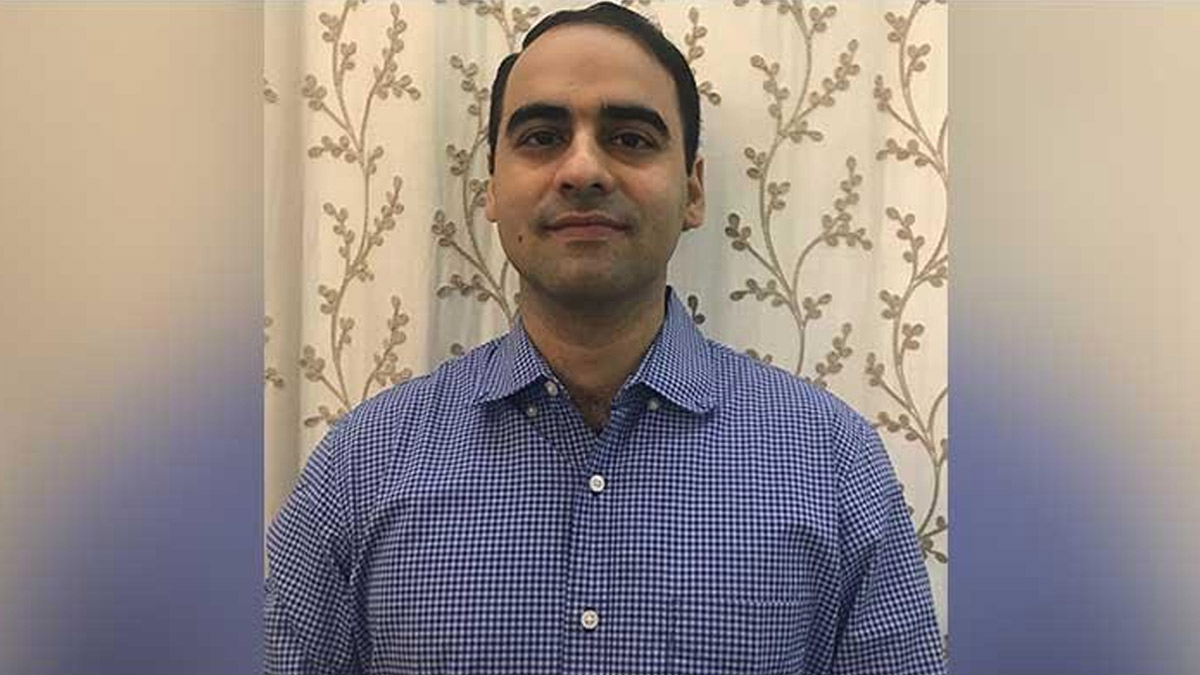
MUMBAI: After more than seven years of steering Uber through the bumpy roads of India’s mobility market, Ameya Velankar has decided to change lanes. Ameya Velankar has stepped down as Head of Marketing for India and South Asia, marking the end of a significant chapter at the ride-hailing company. He had been with Uber since 2019, taking on multiple roles in product and category marketing before rising to lead the marketing function for the region in 2021.
During his tenure, Velankar played a key role in strengthening Uber’s positioning in one of its most competitive and dynamic markets. He helped drive localised marketing strategies and scale adoption across key offerings such as Auto, Moto, Rentals and Intercity, tailoring global platforms to Indian consumer needs.
Prior to joining Uber, Velankar built his marketing expertise at leading consumer companies including SC Johnson and Marico, where he handled category and product leadership roles. His career began at RPG Enterprises.
Details of his next professional move have not been disclosed.
In a fast-evolving mobility landscape where brands constantly battle for attention, Ameya Velankar helped Uber stay relevant and resonant with millions of Indian users. As he moves on from the driver’s seat of marketing, the company will now look for fresh ideas to keep its wheels turning smoothly.






